#dumb-phones
#dumb-phones
[ follow ]
#nothing-phone-4a #technology #smartphones #digital-detox #gen-z #screen-time #design #smartphone #digital-wellness

Gadgets
fromYanko Design - Modern Industrial Design News
1 month ago7 Best Pocket-Sized Tech Gadgets Built for the Modern Minimalist - Yanko Design
Minimalist portable gadgets prioritize specific functionality and smart engineering over bloat, with each item earning its place through genuine daily utility and thoughtful design.
fromMobile World Live
1 month agoDumbphone boss wants smartphone users to see the light
Why do I have to bring a mini computer that tries to drive engagement 24/7? Why do I take it into bed? Wake up with it, eat my dinner with friends with it? We don't stop. The problem lies partly in the addictive business model of digital platforms, which prioritise engagement and time spent on devices.
Gadgets
fromGSMArena.com
3 weeks agoWeekly poll results: the Nothing Phone (4a) Pro is the fan favorite, while the (4a) takes a step back
Pricing was indeed a major issue for both phones, but don't let that nearly 20% pie slice in the chart fool you - the pricier Pro model was received more favorably, so it's about value for money, not just the price.
Mobile UX
fromThe Verge
1 month agoMeet your new phone away from phone
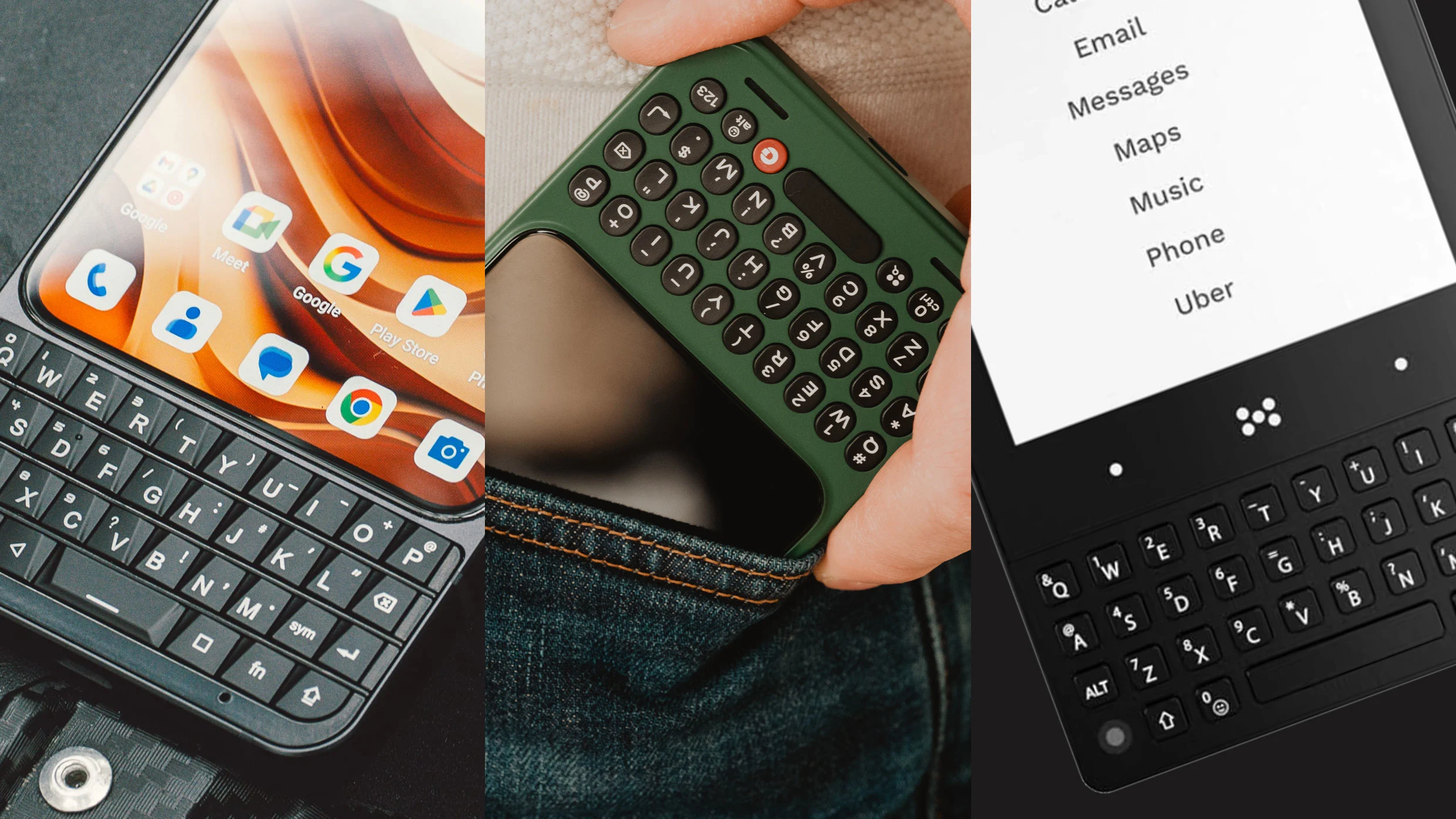
Unihertz's booth at MWC was a little out of the way, but those who did find it all seemed to want to pick up the Titan Elite 2. Sure, the cosmic orange color attracted attention, and the QWERTY keyboard reminded one showgoer of his old BlackBerry. But once I picked it up, I could see why it was so popular. It's slim, light, and pocketable, and the physical keys just beg to be pressed.
Gadgets
fromYanko Design - Modern Industrial Design News
1 month agoNothing Phone (4a) Is the Most Confident Phone Nothing Has Ever Made - Yanko Design
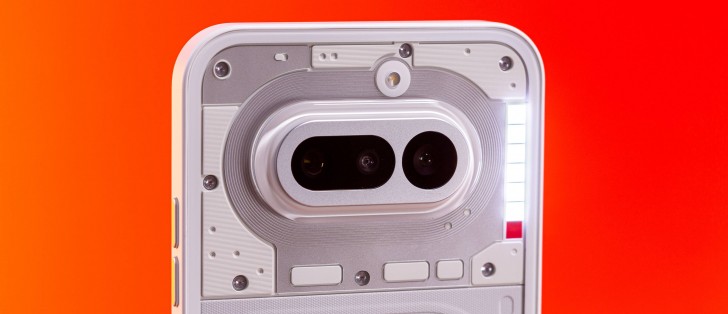
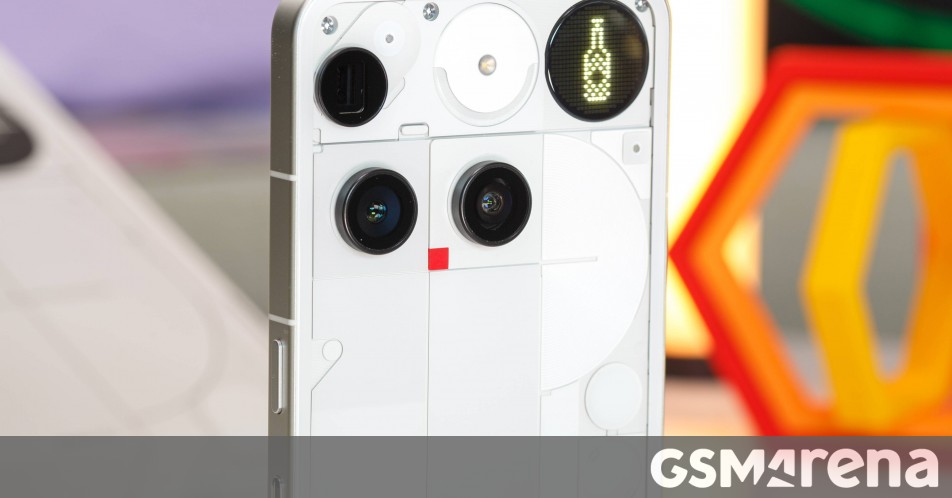
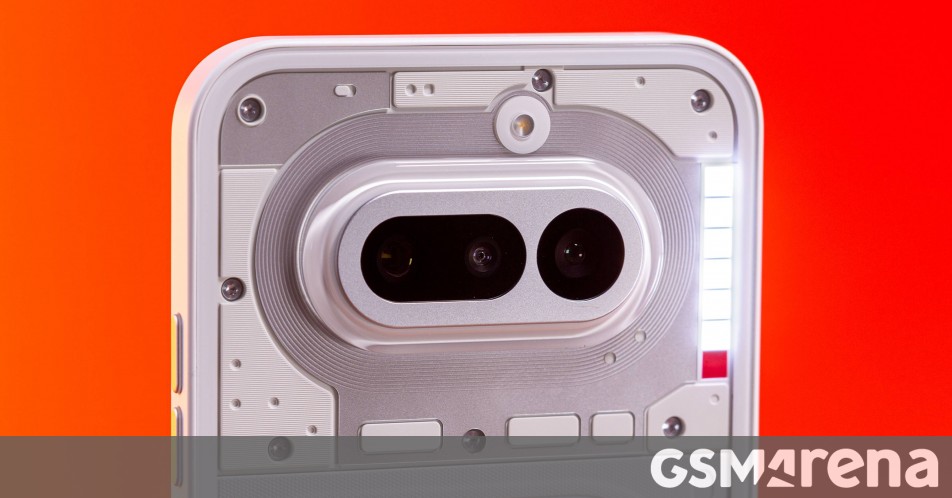
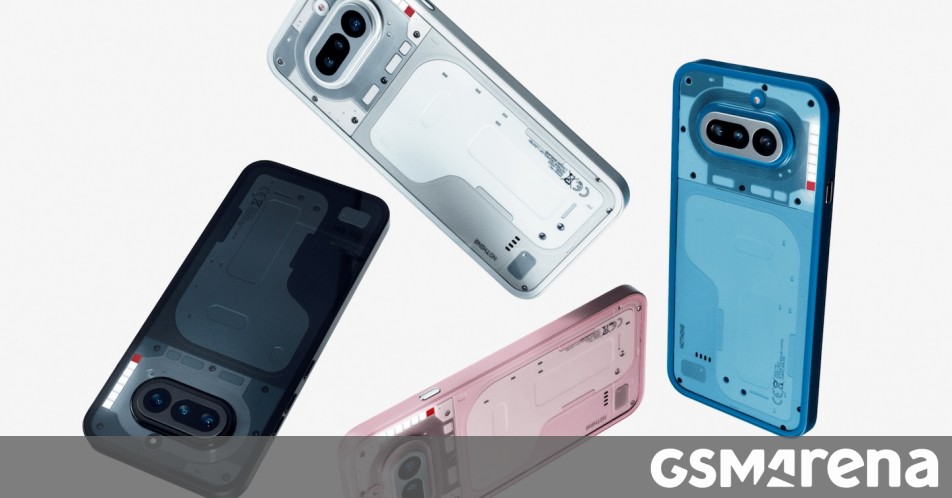
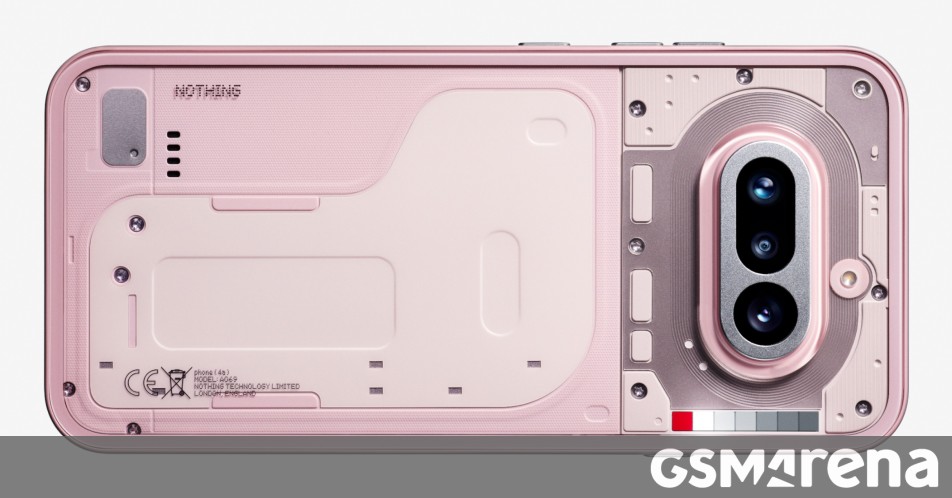
The Phone (4a) is the clearest expression of that shift yet. The pink colorway, the refined glyph interface, the periscope camera quietly migrating down to the base model, none of it screams for attention. It rewards it. This is a phone designed for people who will notice things gradually, over weeks of use, rather than in the first thirty seconds of an unboxing video.
Design
#nothing-phone-4a-pro
Mobile UX
fromThe Verge
1 month agoNothing is finally covering up with the metal Phone 4A Pro
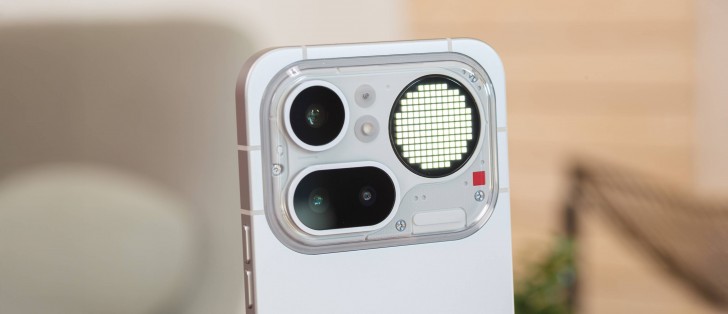
Nothing's new 4A and 4A Pro phones feature a metal unibody design that replaces the brand's signature transparent aesthetic, with transparency now limited to the camera module housing an expanded Glyph Matrix display.
Gadgets
fromYanko Design - Modern Industrial Design News
1 month agoThis Square Phone Rotates Open to a BlackBerry or Game Boy Setup - Yanko Design
The iFrog RS1 is a modular square phone with a rotating base that transforms into either a physical keyboard or gamepad, designed as a customizable platform for carriers and brands rather than a finished retail product.
fromYanko Design - Modern Industrial Design News
2 months ago5 AI Devices That Just Made Smartphones Look Obsolete in 2026 - Yanko Design
The year 2026 marks a historic pivot in personal technology. We are moving past the era of the "AI chatbot" trapped inside a website and entering the age of ambient hardware. While 2025 was defined by software experimentation, 2026 is the year when specialized AI silicon, smart glasses, and wearable pins have matured into indispensable daily companions. These next-gen devices aren't just faster smartphones; they represent a fundamental shift in how we interact with the digital world.
Wearables


Gadgets
fromGSMArena.com
1 month agoHMD is bringing AI, video calling and a digital wallet to its feature phones
HMD is expanding feature phones with modern services including digital wallets, AI assistants, and video calling to increase digital access for under-connected users globally, launching throughout 2026.
Mobile UX
fromYanko Design - Modern Industrial Design News
1 month agoCarriers Want This BlackBerry-Style Phone - I Tried It at MWC - Yanko Design
Clicks Communicator is a QWERTY keyboard smartphone progressing toward launch with solid design, comfortable typing, and modular swappable back panels attracting carrier and retailer interest.
Digital life
fromBuzzFeed
1 month agoPeople Who Lived Before Smartphones And The Internet Are Sharing The Things We Lost Along The Way, And I Never Thought I Would Miss Boredom But Here We Are
Ubiquitous screens have replaced unstructured downtime, altered social rituals, and turned slow, anticipatory experiences into instant, curated convenience.


Gadgets
fromYanko Design - Modern Industrial Design News
2 months agoMinimalist Phone Takes On Teenage Engineering-inspired Design To Offer Hyper-Functionality - Yanko Design
A minimal, brick-like phone design removes touchscreens and distractions, using tactile buttons, a dot-matrix backlit display, and a scroll wheel for essential calls and controls.
fromThe Verge
1 month agoUnihertz's new QWERTY phone is even more like a Blackberry
The Titan 2 Elite feels light in the hand and eminently pocketable. There's a programable key on the side as well as a physical SIM slot. Sadly, there is no headphone jack, which was disappointing after I mistook the IR control for one at first glance.
Mobile UX
Gadgets
fromYanko Design - Modern Industrial Design News
2 months ago5 Tiny Products Gen Z Uses That Actually Replace Your Biggest Tech - Yanko Design
Gen Z pioneers tech minimalism by choosing compact, multifunctional, and stylish devices that reduce clutter while balancing power, portability, sustainability, and nostalgia.
Gadgets
fromYanko Design - Modern Industrial Design News
2 months agoThis Phone Runs Android, Linux, and Windows to Replace 3 Computers - Yanko Design
NexPhone is a rugged, high-spec Android handset that can multi-boot Android, Debian Linux, and optionally Windows 11 on Arm to serve as phone and desktop.
[ Load more ]