UX design
fromArchDaily
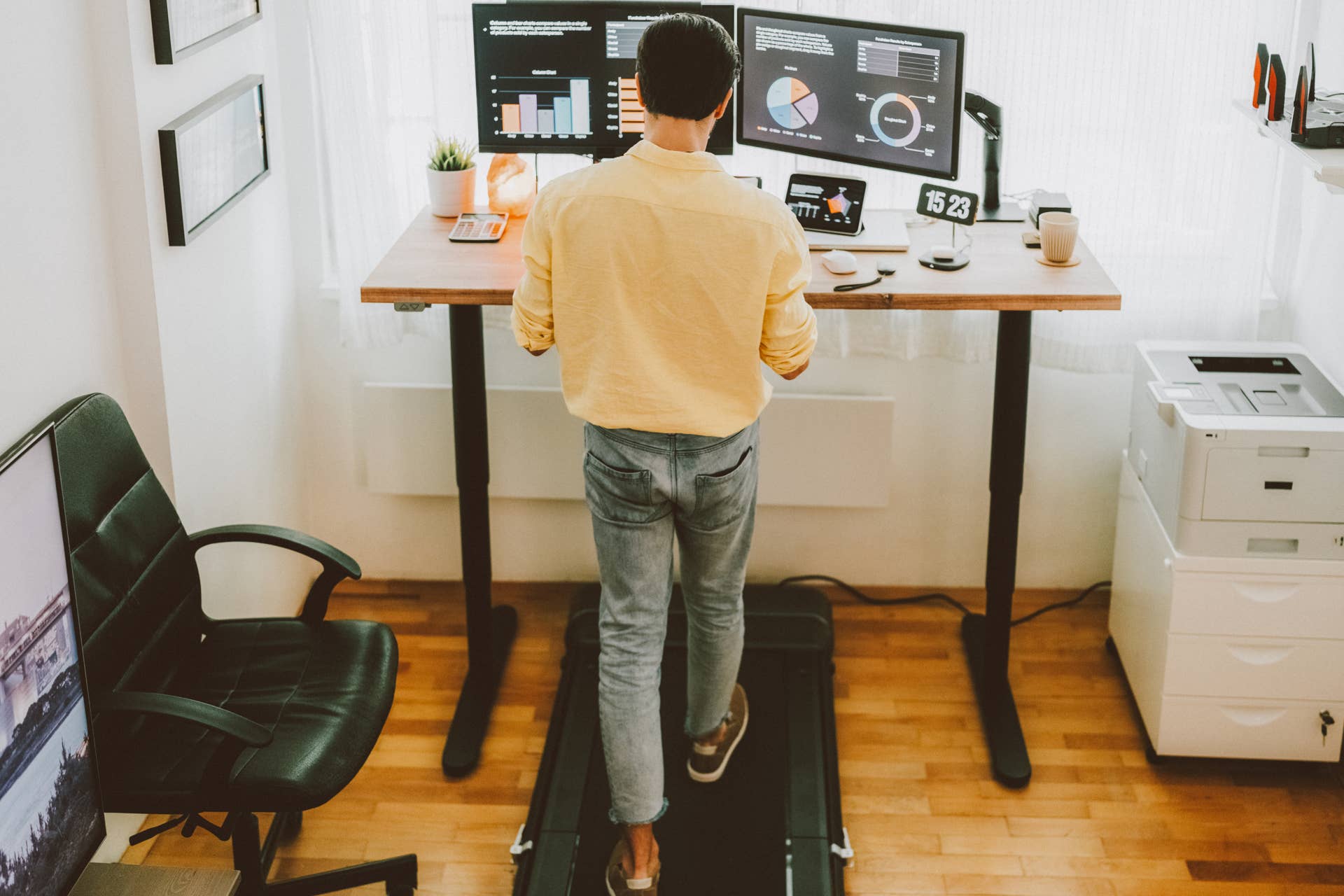
3 days agoDesigning for Movement in a Workplace Built for Sitting
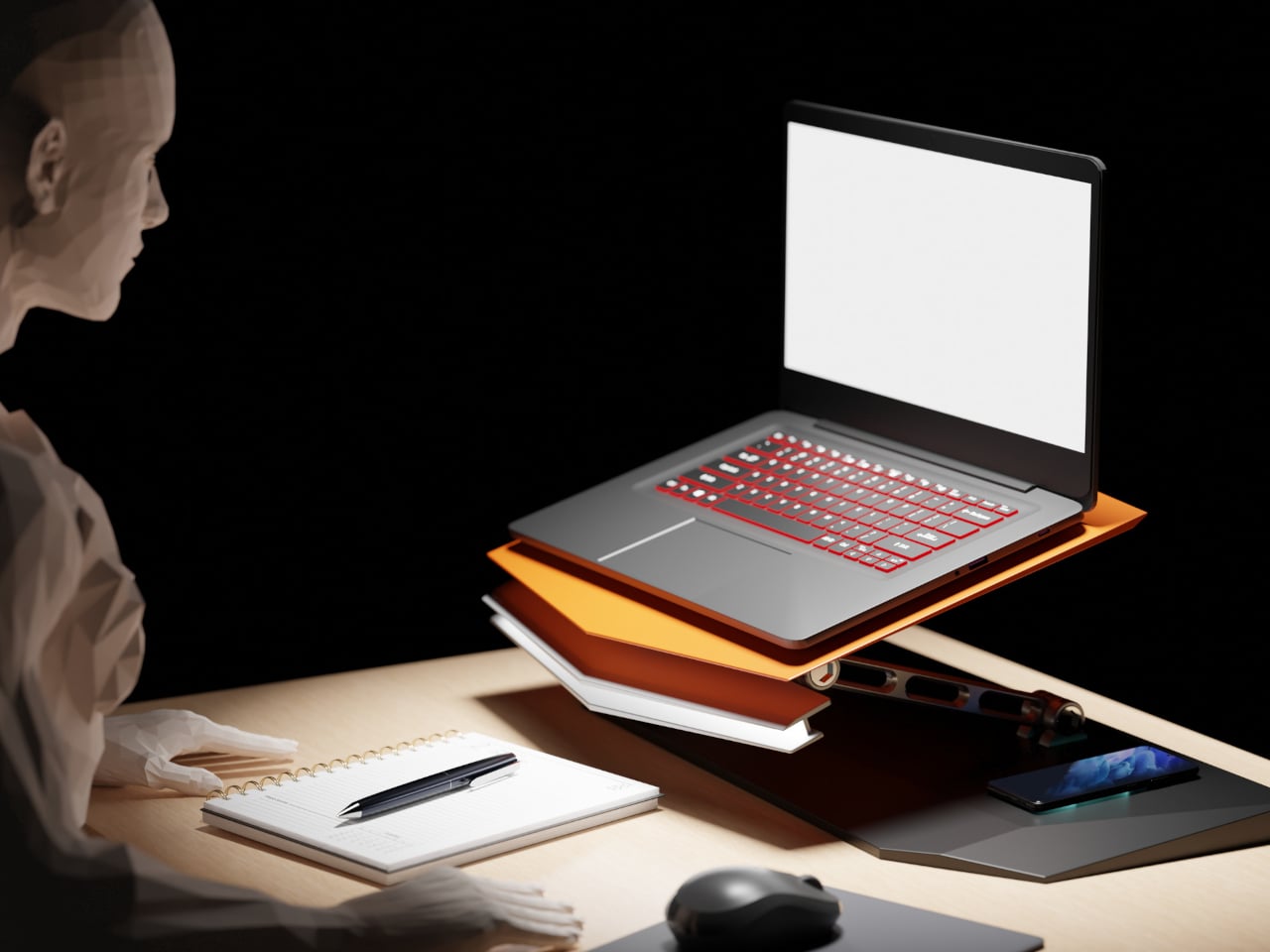
Office workers spend up to 89% of their day seated, despite evolving workplace designs aimed at flexibility and social interaction.
Logitech's latest productivity power-house updates one of the greatest mice of all time with smoother materials, a repair-friendly design and a haptic motor for phone-like vibrations on your desktop. The Guardian's journalism is independent. We will earn a commission if you buy something through an affiliate link. Learn more. The MX Master 4 is the latest evolution in a line of pioneering mice that dates back more than 20 years
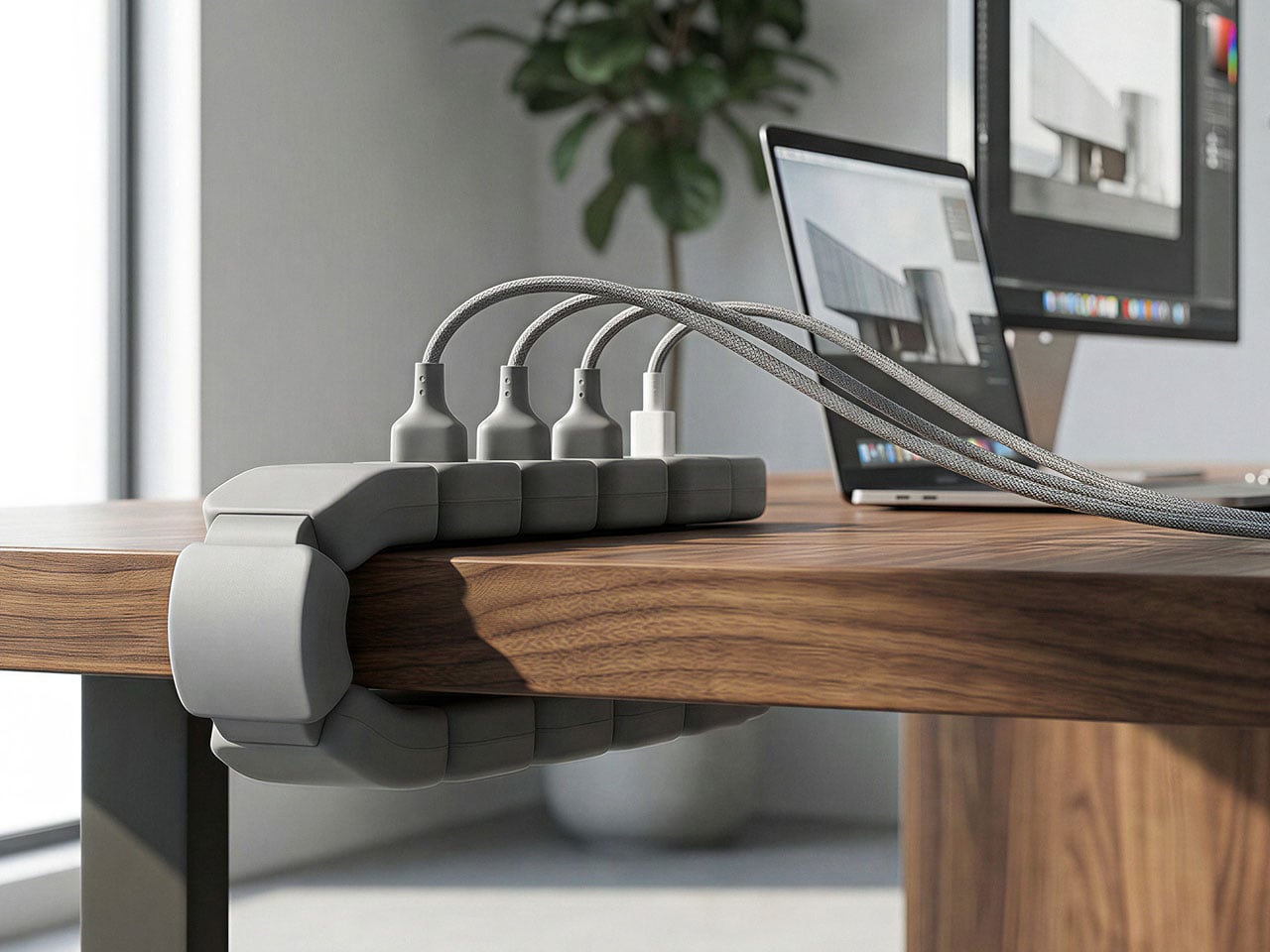
Walking the show floor in Vegas last month revealed a clear shift away from novelty toward utility. The best announcements were the ones that respected your workflow, your attention, and the physical space you live in. These five designs emerge from that ethos. They are tools that bend technology to fit your life rather than demanding you rearrange yourself around yet another screen or charging cable.
The stationery world has long looked to Japan for innovation, and planning enthusiasts know this better than anyone. Japanese design philosophy brings together minimalism, functionality, and thoughtful engineering to create tools that transform mundane tasks into moments of creative joy. These aren't just accessories that sit pretty on your desk. They're carefully crafted instruments that respect your workflow, elevate your planning rituals, and make every stroke of the pen feel intentional.
In the 1950s, the Air Force designed cockpits for the average pilot by measuring thousands of pilots and calculating the average for ten key physical dimensions-height, arm length, torso size, etc. They assumed most pilots would be close to average in most dimensions. When researchers actually checked, they found that out of 4,063 pilots, exactly zero were average on all ten dimensions.
Settling in for "just one more run" usually means your thumbs, wrists, or forearms start complaining long before the game is done. Most controllers are fixed objects that expect your body to adapt, which can lead to repetitive strain or numbness. You either push through the discomfort or take breaks that feel like interruptions, but rarely can you adjust the hardware itself to match how your hands actually feel in that moment.
Vertical mice promise ergonomic relief. MMO mice deliver tactical control. Pick one, because the market says you can't have both. Except SOLAKAKA apparently didn't get that memo. The E9 Pro arrives as the first vertical MMO mouse, featuring a 45 degree ergonomic grip alongside a 10 button thumb panel that would make World of Warcraft players weep with joy. It feels like the peripheral equivalent of discovering your favorite coffee shop also serves excellent ramen.
Ritchey's seat of choice is the Cooler Master Ergo L, a gaming chair that doubles as a serious office workhorse. While it's marketed to gamers, Ritchey points out that many high-level gaming chairs are essentially well-designed ergonomic office chairs with cool color accents and aesthetic details. While you're essentially paying for style on top of substance, the substance itself is actually real.
Working from home has become commonplace, and having the proper equipment around your home workspace can be the difference between an inviting workday and an uncomfortable slog through your daily tasks. Readily available are gadgets that make working from home easier, as well as gadgets to boost productivity when working from home. They range from ergonomic furniture to electronics you can put to use on a daily basis.
The Xbox Core controller is widely regarded as one of the best gamepads available. Whether you're gaming on an Xbox console, PC, or Android device, the first party Microsoft controller is always a solid choice. C urrently, the special edition Ice Breaker blue version is on sale for $50, down from its usual $80 price, giving you a remarkable $30 discount. It's rare to see the fancy colorways like this one go on sale for so much. It's currently down to the same price as the basic carbon black model.
Microsoft cut the price of its 2025 Xbox wireless controller on Amazon to $38, which is the lowest price ever for hardware that just came out. That's a $26 discount off the $64 list price, and here's the best part: it's a lot cheaper than Sony's DualSense (currently selling for $54, down from $74). Yes, these controllers were made for different consoles, but if you play games on your PC or on more than one device, this price makes the Xbox controller the clear choice.
The sleekly designed, multifunctional Stowaway Lap Desk is a far cry from clunky, cheaply produced, and ergonomically ineffective alternatives that have long dominated and stagnated the market. Its main feature - a fully enclosed and concealed compartment proportioned to hold a 14-inch laptop but also chargers, phones, earbuds, notebooks, pens, etc. - doesn't make the design too unwieldy, nor does its cushioned base.
Most chairs are clearly assembled objects, with legs, a seat, and a backrest, all stacked and joined together. Sculptural lounge pieces sometimes flip that script and feel more like a single volume that has been carved or sliced. Chunk is a concept that leans into that second approach, imagining seating as a doughnut with a bite taken out rather than a frame with cushions bolted on, treating furniture as something you edit rather than assemble.
Three million units. Huawei's original FreeClip proved open-ear audio could sustain mainstream adoption, not simply exist as a design curiosity for early adopters willing to sacrifice bass for situational awareness. The FreeClip 2 is the engineering-driven response to that market validation.
We're well into December now. If you still haven't secured all your gifts for the holidays, the clock's a-tickin'. Though, you're not out of luck just yet. We're well past the big deals days of the season like Black Friday and Cyber Monday, but some deals are still holding strong so you can save big. Take a moment to check out this Anker USB-C docking station, a device that does far more than simply expand the number of ports available on your computer.