#leftover-sushi
#leftover-sushi
[ follow ]
#sushi #japanese-cuisine #omakase #food-waste #sustainability #fine-dining #dining #seafood #culinary-innovation
fromwww.theguardian.com
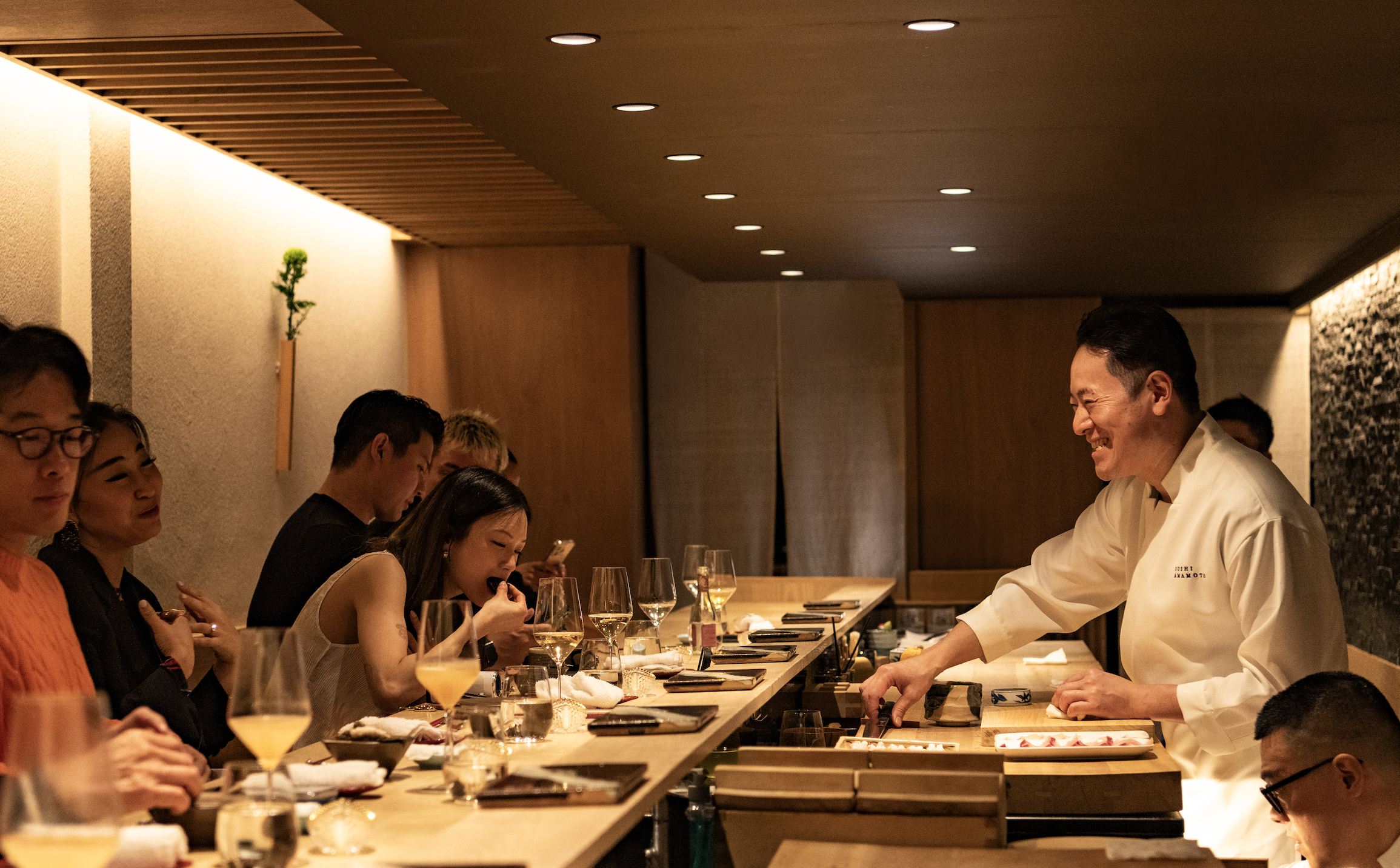
3 days agoEndo dreams of sushi: a trip around Japan with one of the world's greatest chefs
Endo Kazutoshi was on the train to Paris when he heard about the fire that had destroyed his restaurant, Endo at the Rotunda, located on the eighth floor of the Helios building. The fire had started on a terrace and quickly spread, affecting the dining room and kitchen, built mostly from 200-year-old hinoki wood.
London food
Remodel
fromTasting Table
3 weeks ago'Burping' Isn't Just For Infants. Turns Out It Benefits Your Kitchen, Too - Tasting Table
House burping, a trend of regularly ventilating homes by opening windows and doors, originated in Germany centuries ago and may help reduce mold and improve indoor air quality.
NYC food
fromTime Out New York
3 weeks agoThis amazing Japanese street food festival is coming back to NYC with over 30+ culinary events
JAPAN Fes, NYC's beloved street food festival, celebrates its 10th anniversary with 34+ events across the city starting March 28, 2026, featuring Japanese vendors and cuisine.
fromTime Out New York
3 weeks agoA top Sapporo ramen chef is popping up in NYC this month
Hiroshi Hiraoka, one of the most respected ramen chefs in Japan and the chef-owner behind Sapporo's Japanese Ramen Noodle Lab Q, is heading to New York City this month for a series of limited-time pop-ups at two Manhattan restaurants. The events will bring his refined "tanrei" style ramen, rarely experienced outside Japan, to diners at Towa in Flatiron and nonono in NoMad.
NYC food
fromTasting Table
2 weeks agoThis Simple Move Eliminates The Straining Step Out Of Rice Cooking - Tasting Table
You can skip the entire cumbersome step of straining your rice by placing a fine mesh sieve or strainer on top of your pot and pouring the rice directly into it, rather than into the water. Leave the sieve in the pot for the whole cooking process with a cover placed on top. The steam rising from the water will cook the rice, giving you a perfectly separated, airy result.
Everyday cooking
Dining
fromFood & Beverage Magazine
3 weeks agoExperience Kaiseki and Art at Hanasanshou, Tokyo
Hanasanshou on the 25th floor of Park Hotel Tokyo combines kaiseki cuisine with contemporary art, using seasonal ingredients, premium dashi from Hokkaido kelp, and meticulous hospitality to create an authentic umami-rich dining experience.
fromEater
1 month agoThis Is What You Get When Japanese and Italian Food Collide
Living in Japan in the early 2000s, Fralick fell in love with an Italian restaurant in the city of Shizuoka, where he ate Italian food, but with Japanese influences, like pastas made with uni and the fermented soybeans known as natto. "It really reminded me of home," says Fralick, who grew up in upstate New York and started his cooking career in Italian fine dining.
Food & drink
Gadgets
fromYanko Design - Modern Industrial Design News
2 months ago8 Best Japanese Kitchen Gadgets & Tools That Make Cooking Feel Zen - Yanko Design
Japanese kitchen design prioritizes minimalist, intentional tools that transform cooking into a deliberate, satisfying ritual through refined form, material, and function.
Design
fromYanko Design - Modern Industrial Design News
1 month ago5 Sushi-Inspired Designs For Japanese Product Fans That Look So Realistic You'll Want to Eat Them - Yanko Design
Sushi exemplifies minimalist design—clarity, precision, and restraint guide creators to prioritize essential elements and function for lasting, purposeful aesthetics.
Cooking
fromYanko Design - Modern Industrial Design News
1 month ago7 Best Japanese Kitchen Gadgets & Tools So Clever They Make Every Meal Feel Like a Ceremony - Yanko Design
Japanese kitchenware prioritizes single-purpose precision and minimalist design over multifunctionality, with tools refined through centuries of regional manufacturing expertise that create superior cooking performance.
fromTime Out New York
2 months agoThere's only one item on the menu at this new NoMad eatery: push-up sushi
How, exactly, were these rolls constructed at Suka Sushi, the relatively new eatery in NoMad at 61 Lexington Avenue? What's in them? Is soy sauce part of the experience? Can they really be eaten on the go, or do they require the kind of gastronomic pyrotechnics that doom a trend to obscurity? Of course, we had to try them for ourselves.
NYC food
fromtablehopper
2 months agoIn 2026, These Things Need to Be 86'ed
I'm glad many of you out there are feelin' good and lookin' svelte, but if we're friends going out to dinner together and you're taking Ozempic or any other GLP-1s, I feel like you need to disclose this when we're deciding where to go since you won't be eating or drinking very much. Like, let's skip the tasting menu or the dim sum feast and get sushi instead.
Dining
fromTasting Table
2 months agoThat Half-Used Dip In Your Fridge? It Belongs In Your Salad Dressing - Tasting Table
Not only is a second life as a salad dressing a far superior fate than the trash can, dips can also catapult what may have been an ordinary salad to new, crave-worthy heights. You can even get a little creative with them. The main thing to consider, however, is consistency. Most dips will need to be thinned out to make them more pourable and dressing-like.
Food & drink
fromTasting Table
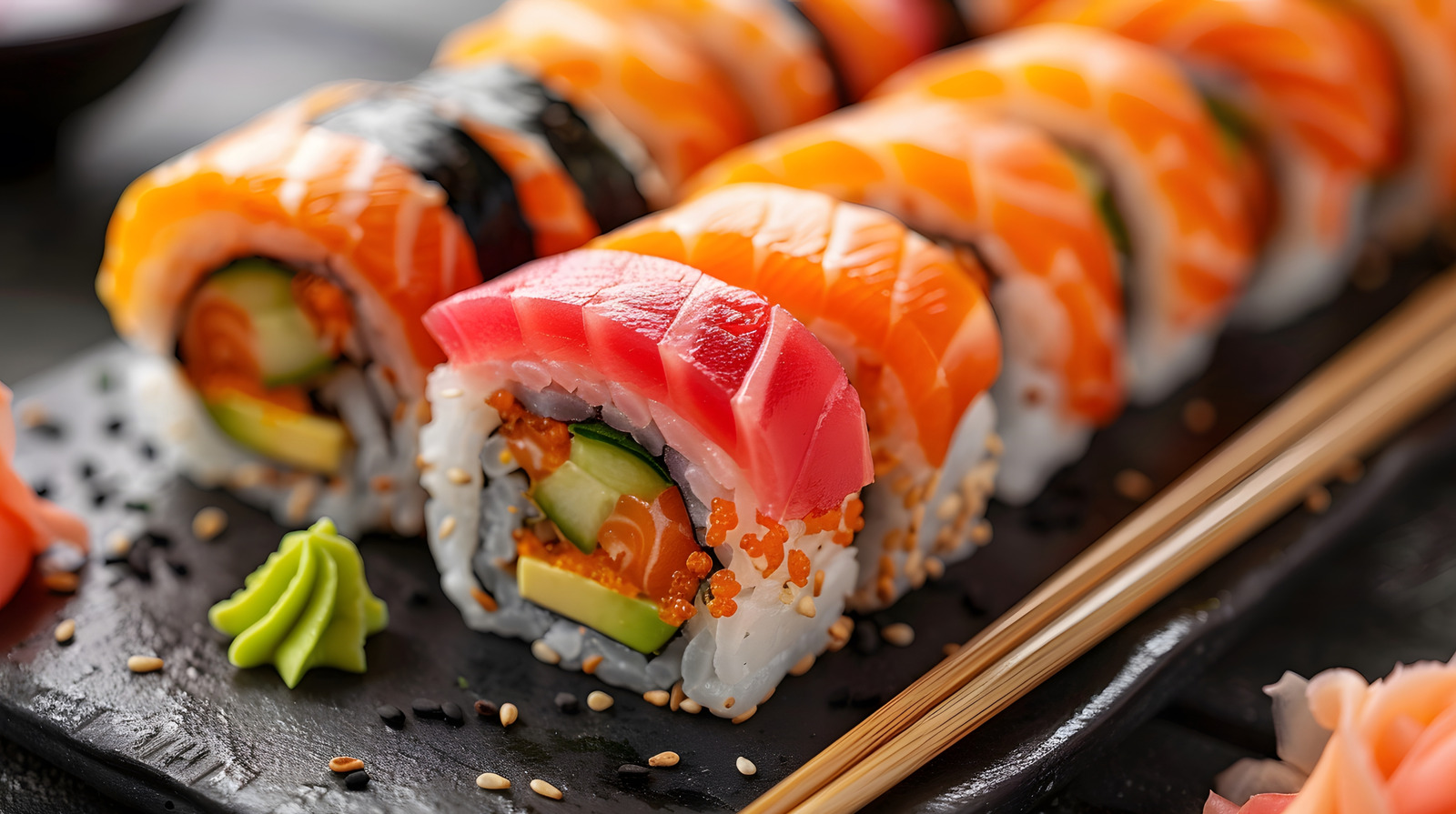
1 month agoHow Sushi Chefs Build Complex Creations Like A Mosaic Roll - Tasting Table
Some chefs pride themselves on blurring the lines between food and art. For Executive Chef Andrew Oh, Momoya SoHo has become revered for putting beauty on plates, such is the case for the restaurant's beautiful wine glass parfaits. However, Oh is known for sushi creations that are equally impressive. We asked the chef for tips on sushi-making (known as one of the most difficult culinary techniques to master) so that our next batch of caterpillar rolls look more professional than problematic.
Cooking
fromwww.theguardian.com
2 months agoHow to convert kitchen scraps into an infused oil recipe
Today's recipe began life as a way to use up garlic skins and herby leftovers, all of which contain a surprising amount of flavour, but it has evolved over time. Infused oil has countless uses drizzle it over carpaccio, pasta or salad, use it to marinate meat, fish and vegetables, or simply as a dip for chunks of sourdough and some of my favourites include lemon rind, garlic skin and rosemary;
Cooking
fromwww.theguardian.com
1 month agoHow to use up leftover pickle brine in a tartare sauce recipe | Waste not
Inspired by Auguste Escoffier's exceptionally simple tartare, I've given his recipe a zero-waste twist by using whole boiled eggs and swapping in pickle brine from a jar of gherkins or capers to replace the vinegar. Everything else is optional: tarragon, mustard, cayenne add what you like or have in store. Traditionally, tartare sauce is delicious with fish and chips, calamari or in a chicken sandwich, but I also like it tossed through potato salad with tinned sardines and radicchio.
Cooking
Food & drink
fromElite Traveler
2 months agoTokyo's $3.2M Tuna Auction May Have Stolen This Week's Spotlight - But True Sushi Fans Stick to These Spots
A 535lb Pacific bluefin tuna sold for ¥510m (≈$3.2m), setting a record and spotlighting Tokyo's cultural reverence and top sushi destinations serving premium bluefin.
fromTasting Table
1 month agoThe Easy No-Roll Sushi Home Cooks Can Make Anytime They Like - Tasting Table
That said, there's an excellent alternative to lengthy pro-level sushi creation: A no-roll version called inari, or commonly, inarizushi. It's named after the Shinto deity Inari Okami, the god of rice, agriculture, and prosperity. Traditional inari bypasses the usual seaweed and raw fish, opting instead for seasoned sushi rice tucked inside a sweet and savory "aburaage" pouch made from fried tofu.
Cooking
fromLos Angeles Times
1 month agoTokyo-Style Pizza Toast
Pizza toast is a throwback snack popularized in Japan's classic kissaten coffee shops. The first kissaten to serve pizza toast - milk bread topped with tomato sauce, mozzarella and pizza toppings, toasted until the cheese is melted and bubbling - is reportedly Cafe Benisica in Tokyo, in 1964, which is still operating. The key to this version is to first make toasty garlic bread, and I use marinara instead of the yoshoku ("Western-style food") tradition of making a ketchup-based tomato sauce.
Cooking
[ Load more ]