#molecular-biomarkers
#molecular-biomarkers
[ follow ]
#alzheimers-disease #early-detection #genetics #clinical-trials #cancer-screening #genomics #dementia



from24/7 Wall St.
4 days ago5 Biotechs That Big Pharma Could Snap Up as Oncology M&A Heats Up
Incyte tops this list due to its rare combination of commercial scale, cash generation, and pipeline depth. The company posted FY2025 revenue of $5.14 billion, up 21.2% YoY, anchored by Jakafi generating $828.2 million in Q4 2025 alone (+7% YoY) and Opzelura delivering $207.3 million (+28% YoY). With $3.58 billion in cash and 14 pivotal clinical trials underway, Incyte offers an acquirer immediate revenue, margin expansion potential, and a deep oncology pipeline spanning KRASG12D, CDK2 inhibition, and mutCALR.
Venture

fromNature
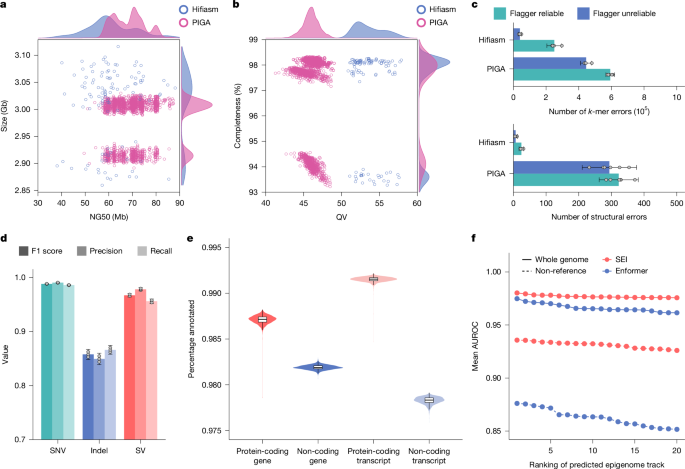
1 week agoCan a mouse be cloned indefinitely? Decades-long experiment has answers
Asexual reproduction is ultimately unsustainable for mice, and potentially other mammals, too. The clones looked normal and lived as long as normal mice. But large mutations - including the loss of an entire chromosome - accumulated in the cloned lineage at an unusually high rate.
OMG science
Cancer
fromBusiness Insider
2 weeks agoStop ignoring subtle signs of cancer. A doctor explains when to get medical help.
Early cancer symptoms are often subtle and easily missed, including unexplained fatigue, persistent pain, and digestive changes; persistent symptoms lasting over a week warrant medical evaluation.
Healthcare
fromHarvard Business Review
3 weeks agoHealthcare Uses Specialized Language. It Needs Specialized AI, Too.
Healthcare professionals across specialties use inconsistent terminology and communication styles, creating significant translation barriers that impede care coordination and data interoperability.
#multivitamins


Alternative medicine
fromwww.scientificamerican.com
3 weeks agoTaking a multivitamin could slow some signs of aging, new study suggests
A two-year multivitamin-multimineral study found modest slowing of biological aging markers by 1.5 to two months per year, though effects varied across different epigenetic clocks measured.
London startup
fromBusiness Matters
3 weeks agoBIOCAPTIVA raises 1.58m to transform liquid biopsy sample preparation
BIOCAPTIVA secured £1.58 million funding to commercialize msX technology, which simplifies blood sample preparation for cancer diagnostics by using magnetic bead extraction to isolate cell-free DNA directly from whole blood.
Health
fromNature
3 weeks agoInsulin resistance prediction from wearables and routine blood biomarkers - Nature
Diabetes affects 537 million adults globally with type 2 diabetes comprising 90% of cases, driven by lifestyle factors and characterized by insulin resistance or deficiency leading to long-term organ damage.
Medicine
fromwww.scientificamerican.com
2 weeks agoNew early-warning alerts have doctors thinking it may be possible to repair a damaged kidney
Drug-induced acute kidney injury is common in hospitalized patients but often goes unrecognized because it causes no symptoms and damage occurs before creatinine levels rise enough to alert clinicians.
fromHarvard Gazette
1 month agoTracking mysteries of loss of Y chromosome, cancer - Harvard Gazette
The Y chromosome primarily carries genes that provide instructions for male sex differentiation and fertility. But it also carries some known to suppress tumor growth - a protective ability that is lost if those genes are damaged or destroyed.
Health
fromArs Technica
1 month agoHave we leapt into commercial genetic testing without understanding it?
Martschenko's argument is largely that genetic research and data have almost always been used thus far as a justification to further entrench extant social inequalities. But we know the solutions to many of the injustices in our world-trying to lift people out of poverty, for example-and we certainly don't need more genetic research to implement them. Trejo's point is largely that more information is generally better than less.
Science


OMG science
fromHarvard Gazette
2 months agoWhy did that cancer cell become drug-resistant? - Harvard Gazette
TimeVault records and stores cellular gene-expression history inside living cells, enabling retrieval of past gene-activity information to study differentiation, stress responses, adaptation, and drug resistance.

fromSilicon Canals
1 month agoA brain-based AI test could point to the best antidepressant for you - Silicon Canals
Before treatment began, participants underwent neuroimaging. Instead of relying on a single modality, the researchers fused structural connectivity (how regions are physically wired) with functional connectivity (how regions co-activate at rest). The goal was not to throw every possible feature at a black box, but to learn a constrained pattern-what the authors call structure-function "covariation"-that carries the most predictive signal for outcome. In other words, the model tries to find the smallest set of connections that meaningfully forecasts symptom change.
Mental health
fromNature
2 months agoThis AI has chemical expertise - and helps synthesize 35 new drugs and materials
Now, researchers have created an artificial-intelligence system that vastly simplifies and accelerates the process of chemical synthesis. The system, which is called MOSAIC and is described in a study published in Nature on 19 January, recommended conditions that researchers were able to use to generate 35 compounds with the potential to become products like pharmaceuticals, agrochemicals or cosmetics without needing to do any further trawling or tweaking.
Artificial intelligence
Cancer
fromenglish.elpais.com
1 month agoDouglas Hanahan, biologist: We don't necessarily need a cure, what we really need is cancer without disease'
Cancer cells acquire hallmarks: uncontrolled proliferation, evasion of growth barriers, resistance to programmed death, and relative immortality, driving tumor diversity and treatment variability.
fromwww.bbc.com
2 months agoTrial launched to 'help spot health risks early'
Public health consultant Dr Ross Keat said supporting people earlier to make small preventative changes would make "a big difference later on". Some 3,500 people in the north of the island within that age bracket are eligible for the checks. The checks will be carried out by two pre-existing nurses that support GP staff and would not replace GP appointments, Keat explained, adding that the cost would be minimal and absorbed by Ramsey Group Practice.
Public health
fromwww.scientificamerican.com
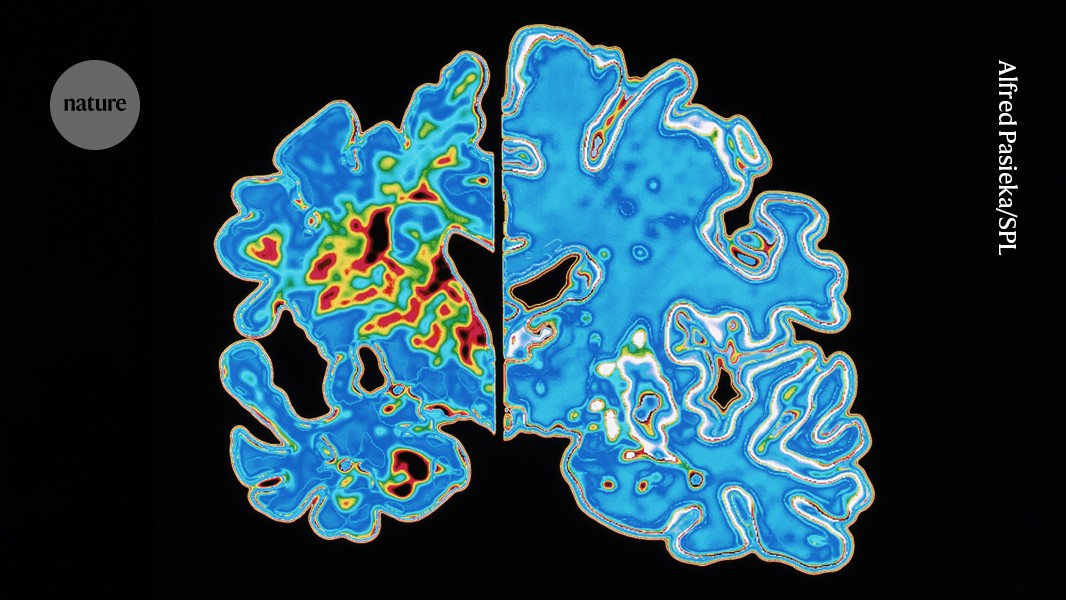
1 month agoAlzheimer's blood tests may predict when a person will develop symptoms
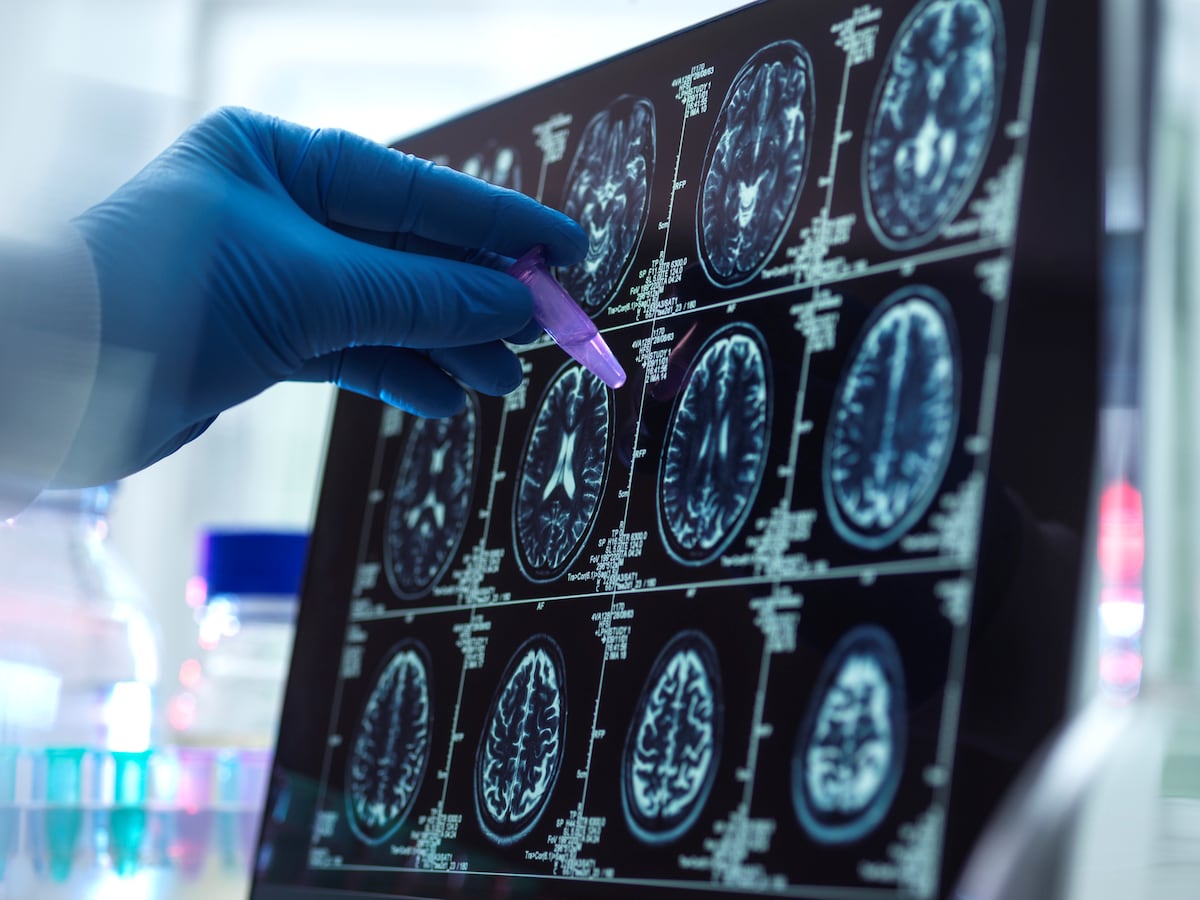
But questions remain about the accuracy and uncertainty of these tests, and experts caution that the assays aren't ready for prime time. While the results here are encouraging, they are not yet at the level of having significant clinical benefit for individual patients, says Corey Bolton, a clinical neuropsychologist and an assistant professor of medicine at Vanderbilt University Medical Center, who was not involved in the new study.
Medicine
fromSilicon Canals
1 month agoNeurologists reveal the everyday habit that doubles your dementia risk - Silicon Canals
A groundbreaking study found that adults who sit for 10 or more hours daily face a significantly higher risk of dementia compared to those who sit less. The research, which tracked over 50,000 adults using wearable devices, revealed that the risk increases dramatically after crossing that 10-hour threshold.
Health
Medicine
fromwww.theguardian.com
2 months agoSimple blood test can predict which breast cancer treatment will work best, study finds
A blood test measuring circulating tumour DNA predicts breast cancer treatment response before or within four weeks, enabling alternative therapies and avoiding ineffective drugs.
Science
fromNews Center
2 months agoNew Underlying Mechanisms May Support Proper Transcriptional Regulation and Improve Targeted Therapies - News Center
BET proteins, particularly BRD4, regulate transcription initiation and elongation independently of bromodomains, with implications for targeted therapeutic development.
fromwww.nature.com
1 month agoAuthor Correction: The genomic landscape of response to EGFR blockade in colorectal cancer
In Extended Data Fig. 8 of this article, a micrograph shown in the left column (panel AZD) was inadvertently duplicated during figure preparation. The intended image was meant to show phospho-ERK (P-ERK) levels in a MAP2K1-mutant patient-derived xenograft (PDX) exposed to the MEK inhibitor AZD6244 (AZD). However, this image was accidentally overlaid with a micrograph from Extended Data Fig. 10 (left column, panel PAN), which displays P-ERK levels in an EGFR-mutant PDX exposed to panitumumab (PAN).
fromwww.scientificamerican.com
1 month agoLung cancer hijacks the brain to trick the immune system
For years, scientists have viewed cancer as a localized glitch in which cells refuse to stop dividing. But a new study suggests that, in certain organs, tumors actively communicate with the brain to trick it into protecting them. Scientists have long known that nerves grow into some tumors and that tumors containing lots of nerves usually lead to a worse prognosis.
Science
fromenglish.elpais.com
2 months agoA vaccine to prevent colon cancer shows promising results
Eduardo Vilar-Sanchez has spent more than 10 years pursuing a goal that seemed very distant, but which he now sees as a little closer: to develop a preventive vaccine against cancer. The physician and researcher is leading a study that presented the first promising results of a colon cancer vaccine in a small group of patients suffering from a rare disease that makes them 17 times more likely to develop colon cancer than the general population.
Medicine
Medicine
fromBusiness Insider
1 month agoA $700 blood test promises to detect 50 different kinds of cancer. The results come with major caveats.
Access to advanced blood-based cancer screening and proactive biological testing remains costly, creating a health-access gap despite direct-to-consumer telehealth offerings.
fromNature
2 months agoWhy cancer can come back years later - and how to stop it
When Lisa Dutton was declared free of breast cancer in 2017, she took a moment to celebrate with family and friends, even though she knew her cancer journey might not be over. As many as one-third of people whose breast tumours are cleared see the disease come back, sometimes decades later. Many other cancers are known to recur in the years following an initial treatment, some at much higher rates.
Medicine
Medicine
fromwww.theguardian.com
2 months agoGut check: are at-home microbiome tests a way to hack your health' or simply a waste? | Antiviral
At-home gut microbiome tests can detect microbial markers but often lack consistent interpretation, limiting usefulness for most people unless clinically ordered and properly interpreted.
Medicine
fromSilicon Canals
1 month agoEurope Oncology Genomics Tracker Captures Oncologist Perspectives Across Major European Markets - Data Report by DeciBio Consulting LLC - Silicon Canals
Genomic testing adoption for solid tumor oncology is growing across EU-5 with varied country-specific drivers and infrastructure tracked via a survey of 100+ oncologists.
fromwww.theguardian.com
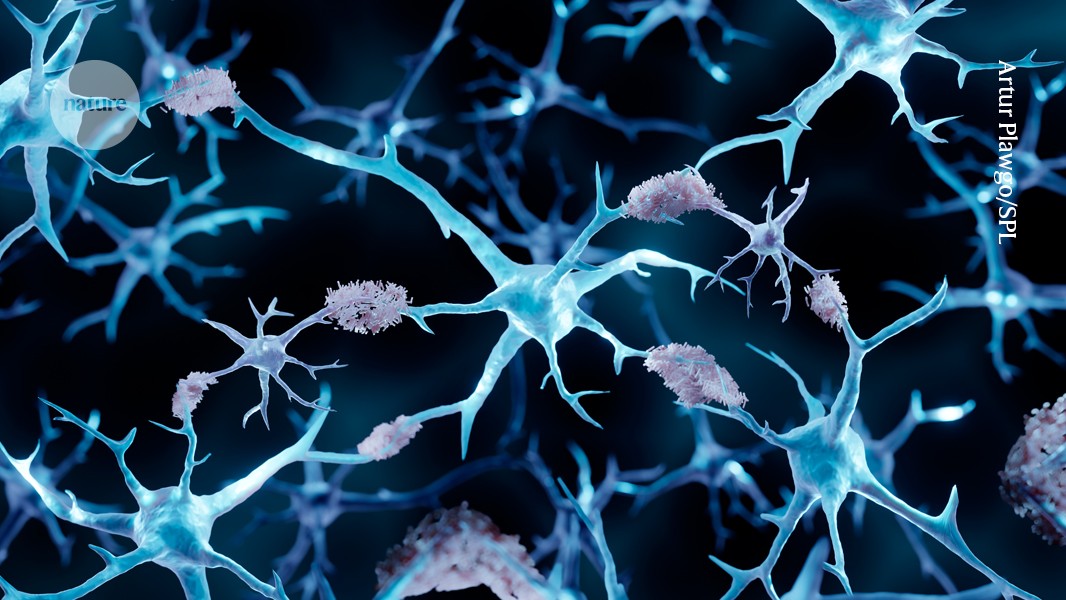
2 months agoAlzheimer's therapies should target a particular gene, researchers say
New therapies for Alzheimer's disease should target a particular gene linked to the condition, according to researchers who said most cases would never arise if its harmful effects were neutralised. The call to action follows the arrival of the first wave of drugs that aim to treat Alzheimer's patients by removing toxic proteins from the brain. While the drugs slow the disease down, the benefits are minor,
Medicine
[ Load more ]