#ai-investment
#ai-investment
[ follow ]
#meta #microsoft #anthropic #amazon #workforce-reduction #stock-market #cloud-computing #venture-capital #google




Artificial intelligence
fromFortune
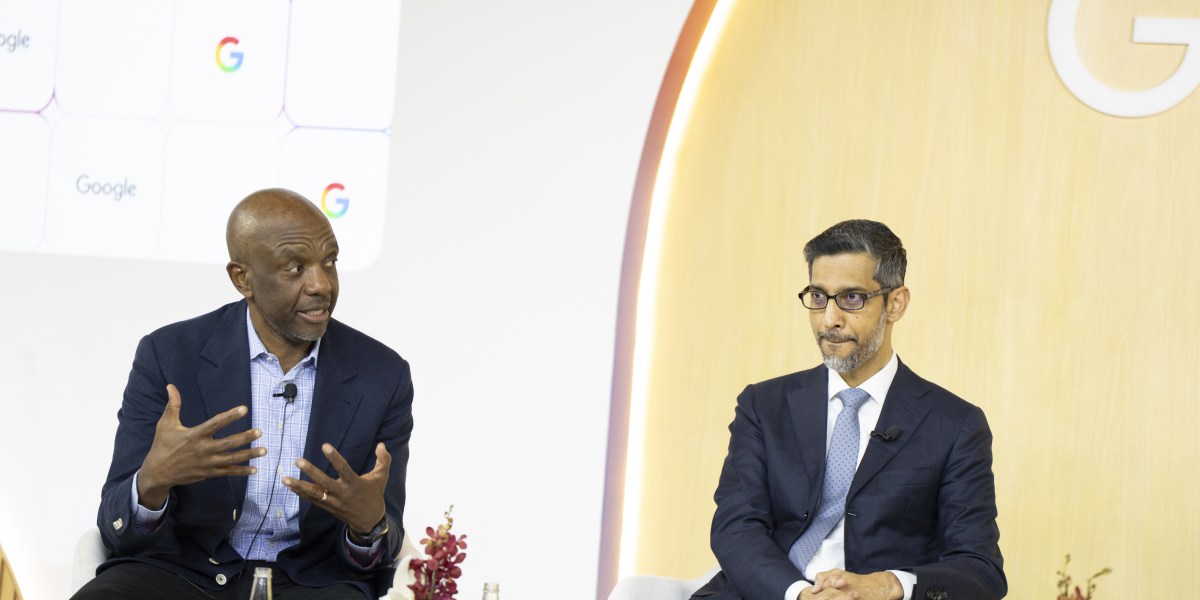
3 days agoHalf of Google's and Amazon's 'blowout AI profits' came from a stake in Anthropic-not from their actual business | Fortune
U.S. tech companies are investing heavily in AI, with $130.65 billion in capital expenditures in Q1 2026, significantly impacting profits.


#amazon




Artificial intelligence
fromnews.bitcoin.com
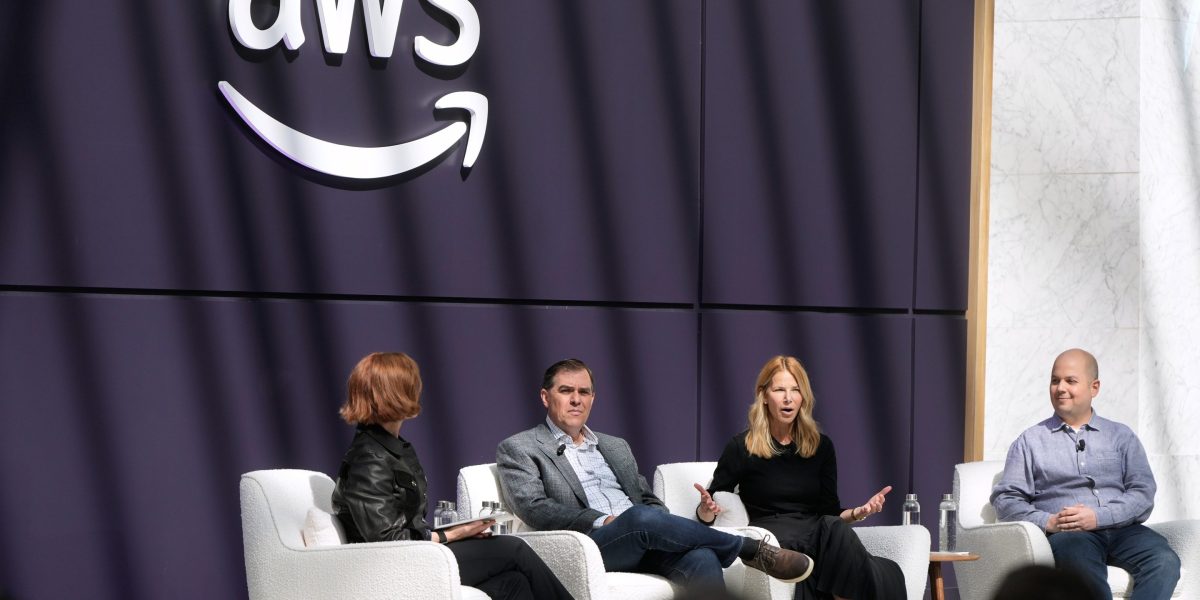
1 week agoAmazon Invests $5 Billion More in Anthropic, Secures 10-Year AWS Deal Worth $100 Billion
Amazon invested $5 billion in Anthropic, raising total investment to $13 billion, with a $100 billion commitment to AWS over 10 years for Claude model training.
#tech-layoffs
Tech industry
fromFortune
1 week agoMore than 90,000 tech workers have been laid off this year. But here's why companies like Microsoft are offering voluntary buyouts instead | Fortune
Tech companies are laying off employees while investing heavily in AI, with Microsoft offering voluntary buyouts to reduce workforce without traditional layoffs.
Media industry
fromwww.morningstar.com
1 month agoCommunication Services: Alphabet and Meta's Moats Remain Despite Escalating AI Investments
Alphabet and Meta maintain strong positions despite AI investment risks, with ad revenue growth expected to continue due to improved targeting and user engagement.
UK politics
fromwww.independent.co.uk
1 month agoReeves tells AI entrepreneurs to come to the UK' as she unveils new institute
The UK Chancellor announced a £500 million fund and new AI economics institute to attract entrepreneurs and position Britain as a leader in artificial intelligence development within the G7.
Business
from24/7 Wall St.
1 month agoWhat If You Had Invested $1,000 in Oracle or Salesforce 10 Years Ago?
Oracle's pivot to AI cloud infrastructure generated superior returns over a decade, while Salesforce's aggressive expansion and valuation correction have underperformed the S&P 500 despite AI platform gains.
Artificial intelligence
fromFuturism
1 month agoAmazon Staffers Learning Hard Lesson as Company Cuts Robotics Jobs
Amazon is cutting jobs in its robotics division while increasing capital expenditures for AI data centers, indicating cost reduction from pandemic-era overhiring rather than an AI-driven pivot.
Intellectual property law
fromAdExchanger
2 months agoCriteo Joins ChatGPT's Ad Pilot; Google Patents Gen AI Landing Pages | AdExchanger
AI investment has reached unprecedented scale with OpenAI raising $110 billion, while legal rulings establish that AI-generated content cannot be copyrighted, creating significant implications for marketers and publishers.
fromEngadget
2 months agoOpenAI secures another $110 billion in funding from Amazon, NVIDIA and SoftBank
OpenAI just announced a massive funding round of $110 billion, which is one of the biggest investment rounds in Silicon Valley history. The investors feature many of the usual suspects, including Amazon with $50 billion, NVIDIA with $30 billion and SoftBank with $30 billion. This investment brings OpenAI to a $730 billion valuation.
Artificial intelligence
Artificial intelligence
fromFortune
2 months agoInside India's AI Impact Summit: Robot fraud, gridlocked roads, a shirtless protest, and AWOL Bill Gates | Fortune
India's AI Impact Summit gathered global leaders and companies, produced inclusive commitments, voluntary frontier AI governance, and announced large investments despite logistical chaos.

fromFortune
2 months ago'Doubts around the AI revolution are emerging,' BofA says, as the market sees a 'double-edged sword' that could 'cannibalize' you | Fortune
In a note to clients reviewed by Fortune, BofA strategists declared that "doubts around the AI revolution are emerging," with the market narrative rapidly shifting from an "upside-only" perspective to serious concerns that AI is a "double-edged sword". Chief among these new fears is the growing realization that AI might not universally boost corporate profits-it might actively destroy them. BofA highlighted several large "downside risks" that is, frankly, bumming out the AI trade.
Artificial intelligence
fromDigiday
2 months agoAd Tech Briefing: A mid-term report card
Liftoff Mobile's decision to postpone its planned initial public offering on the Nasdaq crystallized a shift in Wall Street's mindset: it won't reward growth at any cost, particularly when it comes with heavy AI investment. The company cited " market conditions " after a sharp selloff across software stocks, with more than $800 billion wiped from the S&P 500 software and services index since late January. That retrenchment followed earnings from Alphabet and Amazon, which, while showing sizeable revenue gains,
Marketing tech
[ Load more ]