Wine
fromCurbed
8 hours agoThe Look Book Goes to a Burgundy Wine Festival
La Paulée has evolved from a serious event to a lively party atmosphere with more dancing and younger wine selections.
Henry Harris describes his experience as the head chef and co-owner of Bouchon Racine as 'my most favourite three years of cooking and restaurant ownership.' He emphasizes the importance of creating a space where guests feel 'loved and valued'.
In summer 1936, the French government passed a law that mandated paid holiday, a move that kickstarted the exodus of northerners to the Med every August, and it became a true emblem of the French vacances.
Of the five mother sauces, velouté is extremely under-appreciated and not talked about enough. It's what we as Americans call gravy, which we know has so many various uses. Velouté, which means velvety in French, is made with a light roux (or a mixture of flour and fat, like butter), stock or broth, and some seasoning like salt and pepper, and a bay leaf.
Researchers analyzed the DNA of nearly 50 wild and domestic grape seeds collected at archaeological sites mostly across France. The pips dated from the Bronze Age, or around 2300 BCE, through to 1500 CE, nearly 4,000 years.
The streets around the Louvre have improved considerably as a dining destination. It's still true that the neighborhood rewards those who know where to look - the blocks immediately adjacent to the museum are thick with tourist traps - but a short walk in almost any direction opens up genuinely good options.
the Strengthening Organic Enforcement (SOE) rules, set by the USDA, declared that importers-that's right, the firms that typically handle sales and logistics, not just the winemakers- also need to be certified organic in order for the wines to retain the label. According to a spokesperson from the USDA, the regulations are an effort to "better protect organic businesses and consumers" and "keep fraud out of the market."
Former consort braved the newly reincarnated Absolute Bagels & bailed when he found 45 people in line, in the cold. One of our oldest friends, who retreated to the Bay Area long ago, always used to say: "The more New Yorkers get fucked, the more they like it." Now with more Instagram...
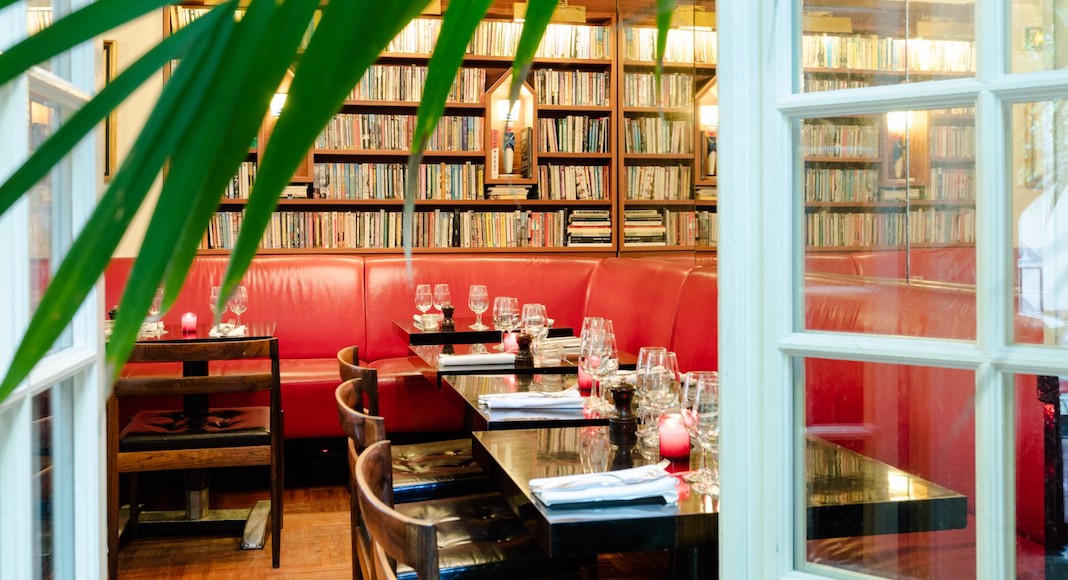
A consistently packed bistro along the Seine in the Marais, Le Petit Célestin delivers reliable French classics in a lively atmosphere that values conviviality over culinary ambition. The menu spans traditional bistro territory - tête de veau, veal kidneys, steak frites - with occasional Italian influences like burrata and linguini with bottarga. The cooking is competent rather than inspired. Razor clams arrive properly garlicky, steak shows good char against rare interior, but some dishes lean too sweet.
Smearing a tomato-pasted finger across the page of the cookbook, trying to follow the instructions as the hot oil shimmers in the pan, ready for the onion you don't have brunoised. Quick! Turn off the heat, grab a (hopefully) sharp knife, (carefully) rush through the prep, turn the burner's flame back on, and hope nothing scorched or became soggy in the interim.
Visiting France is often associated with great food, beautiful cities, and a strong sense of style. But what many travelers discover quickly is that daily life in France is guided by a set of unwritten etiquette rules. These rules are not about being overly polite or friendly at all costs. They are about showing respect for others, for shared spaces, and for social boundaries.
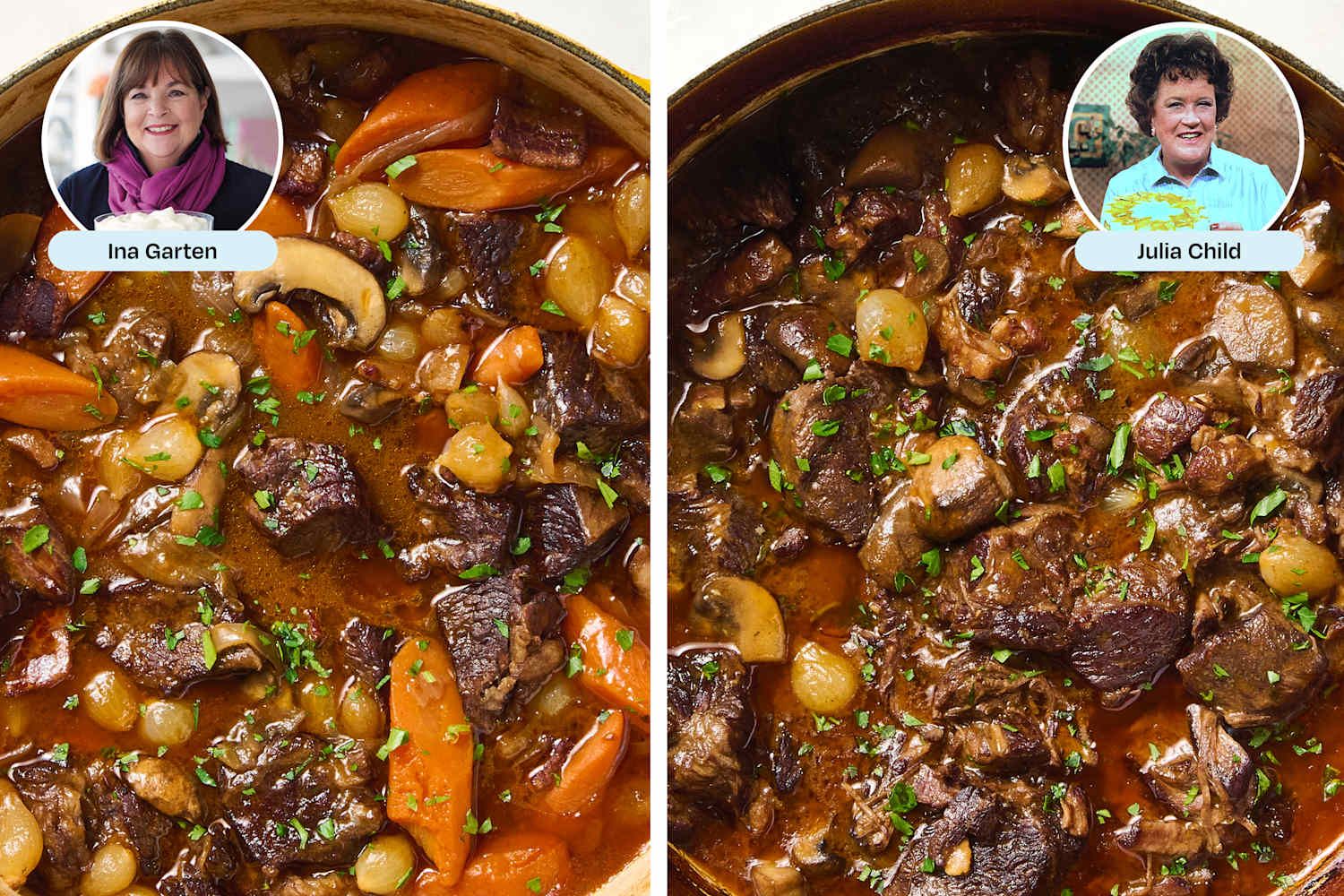
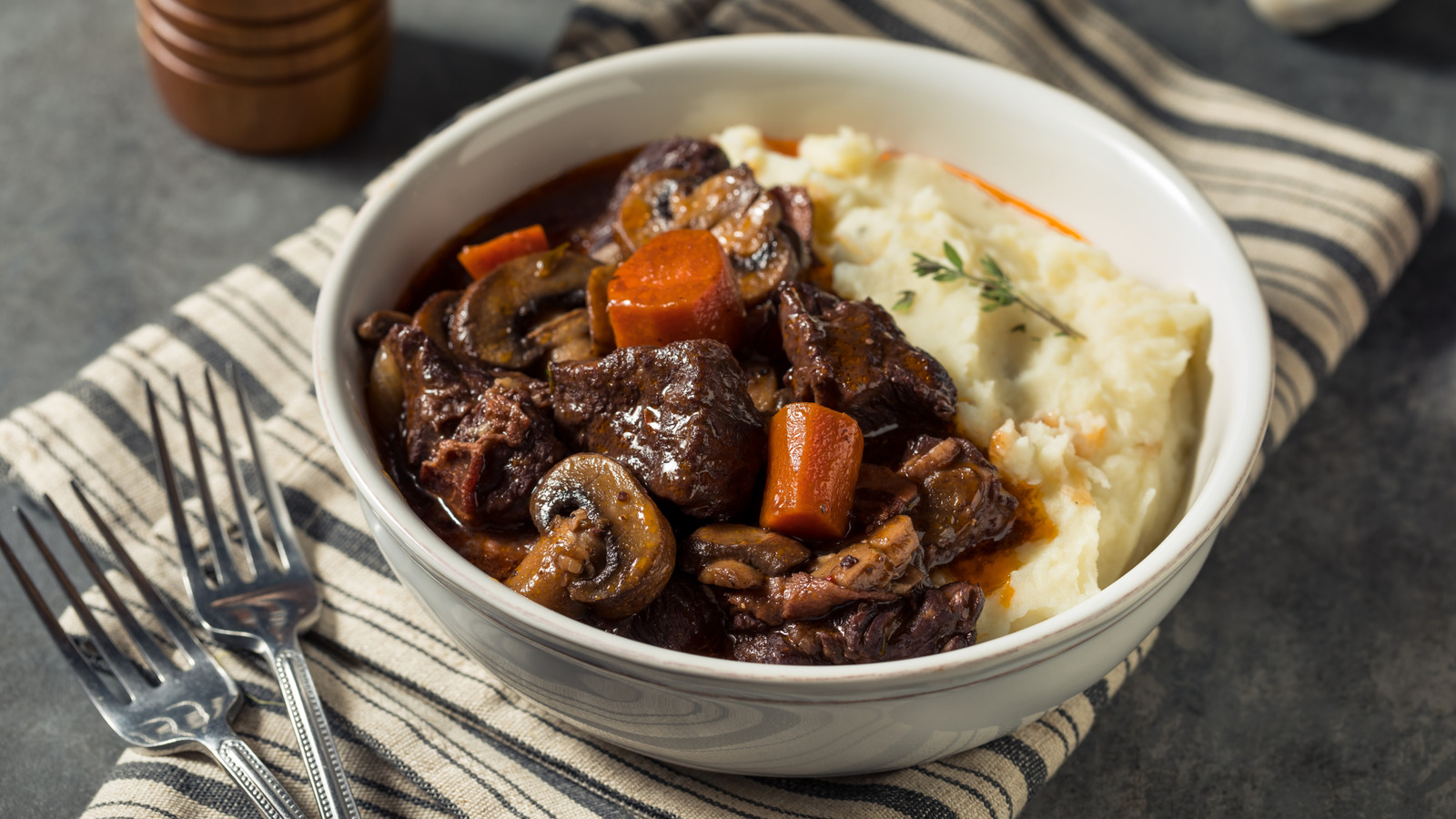
By the time mushrooms enter the conversation in a beef bourguignon recipe, the heavy lifting of layering the dish's flavors is mostly done. The beef has browned and braised, the veg has caramelized and come together, the wine has reduced, and the meat's collagen has melted into the sauce. It's a long, gentle cook, in which mushrooms are lost if they're added too early.
Chef Masa Ikuta brings serious classical training honed under Bruno Verjus at Table and Stephane Jego at L'Ami Jean to his own tasting menu restaurant in the 11th arrondissement. The cooking is confidently French-Japanese, moving from sardine churros with Cantabrian anchovy cream to veal brain tempura styled after shirako to a perfectly grilled lamb rack with smoky harissa.
Past a sign for a family waterpark, a door opens onto an homage to fin-de-siècle Paris. Chandeliers are reflected in gilt-edged mirrors; there is a chorus line of lobsters and yards of fromage. Every so often, a waiter in a dinner suit flambées a crepe Suzette with a shock of flames, like a big top fire-eater. This is fine dining as buffet.
If you've ever walked a massive trade fair floor feeling overwhelmed by endless booths and brochures, you're not alone. But ProWein Düsseldorf is changing the game, and it's about time. The world's leading wine and spirits fair just announced a major evolution for 2026: the Insights to Action (I2A) Framework. And no, this isn't another buzzword-heavy initiative. It's a data-backed, visitor-focused system designed to make B2B wine buying smarter, faster, and far more efficient.
Back in 2024, after a reporting trip for a whiskey magazine, I got tired of drinking. Perhaps it was the sluggishness I felt each morning, or maybe it was the podcast I'd heard while traveling, which shared the news that one or two glasses of red wine was not, as we had long been told, healthy. Whatever the reason, I tossed in the daily drinking towel after that trip, figuring that going forward, I might only have a drink or two every now and again.
Bar Nouveau might change that. Just off North Lombard, it's housed inside a refurbished 1940s building called Leavitt Station, a setting that matches the restaurant's avowedly midcentury sensibility. There are no Resys to reserve, no QR codes. You book by the increasingly retro medium of text message. Chef Althea Grey Potter cooks French food without Francophile reserve. Her plates arrive like something from Julia Child or Alice Waters, whose cookbooks adorn the entryway. A decadent bouffant of chicken liver mousse, heaped like ruffled cupcake frosting atop sablé cookies, is fit for an Eisenhower-era Gourmet cover. Fried olives present like a French Scotch egg, wrapped in pâté, stuffed with melty Cantal Jeune, and served over honey mustard.
The Bartolotta Restaurants, a cornerstone of the Greater Milwaukee dining scene, is set to host a remarkable event that pays tribute to one of the greatest chefs in culinary history, Paul Bocuse. On February 26, 2026, Chef Jérôme Bocuse, son of the legendary chef, will join Chef Paul Bartolotta for a one-night-only culinary tribute to mark the centenary of his father's birth. Chef Paul Bocuse, who passed away in 2018, was a pioneer of the nouvelle cuisine movement, known for lightening classic French dishes
Live-fire cooking defines Robert et Louise, a Marais institution where beef, lamb, and duck sizzle over an open fireplace in the ground-floor dining room. The wood-fired approach delivers generous portions at moderate prices - most mains stay under 30€, with classic French bistro fare like blood sausage, grilled lamb chops, and charred steak. The main floor centers on a crackling brick fireplace where meat cooks directly over flame.
Founded in 1992 by Miguel Torres and Robert Drouhin to promote the exchange of ideas, its members include Domaine Clarence Dillon (Château Haut-Brion), Famille Perrin (Chateau de Beaucastel) and Alsace's Famille Hugel, as well as Sassicaia makers Tenuta San Guido, the Douro's Symington family, Riesling specialists Egon Müller and Tuscany's 26 th-generation winemakers Marchesi Antinori. Earlier this week, all 12 descended on the Paris's Grand Palais for the launch of the PFV Generations Case, an ultra-limited-edition case of 12 wines - one from each family. Treats in the coffret include a 2016 Chateau Mouton Rothschild, a 2004 Vega Sicilia Unico, and a Champagne Pol Roger Sir Winston Churchill 2002 (which the house's 6 th-generation ambassador Bastien Collard de Billy was pouring on the night, and I can report tasted absolutely stellar). To sweeten the deal, each case also includes a VIP visit to every estate, some of which aren't open to the public. The case is priced at €32,000 and only a dozen have been created.
Instead of being dropped to a sober corner, a few nonalcoholic sparkling wines are listed right next to the German Rieslings and proper Champagnes, simply marked with an icon indicating their NA status. It's a way to give due respect, says co-owner and beverage director Jeff Vejr, and to note that these wines are delicious. They aren't necessarily cheaper than their boozy counterparts, either. "To dealcoholize wine is way more expensive than to just produce it naturally," Vejr says.
Israeli chef Assaf Granit shifts focus from Mediterranean cooking to Eastern European Jewish cuisine at Boubalé, located in the Grand Mazarin hotel steps from BHV. The menu draws on Ashkenazi traditions - borscht, chicken liver, pastrami, and potato-forward preparations inspired by Granit's Polish grandmother. The vast dining room manages warmth through maximalist touches: doilies, colorful glassware, and grandmother-approved murals. Standout dishes include salmon floating in borscht with pickled turnips, Israeli couscous risotto with spinach, and an exceptional chocolate mousse drizzled with olive oil.
Jesse Hall can't remember a time he wasn't inseparable from the sea. Born and raised in Sonoma County, Hall spent his youth surfing the Marin coast and sailing San Francisco Bay. By his early 20s, he was shaping surfboards in San Diego, where he rode the mellow waves of Pacific Beach. Winemaking is similar to surfing in that you're living moment by moment, said Hall, founder of Seawolf Wines in Mendocino County's Yorkville Highlands.