#oyster-flavor-and-salinity
#oyster-flavor-and-salinity
[ follow ]
#seafood #food-safety #marine-conservation #oysters #sustainability #crab-cakes #seafood-cooking #lobster-rolls
:max_bytes(150000):strip_icc()/TAL-seafood-platter-SEAFOODGUIDE0326-9da549aabce64725b101f3dc9957c7cd.jpg)

fromChowhound
3 days agoThe Best Fried Fish Joint In Every State - Chowhound
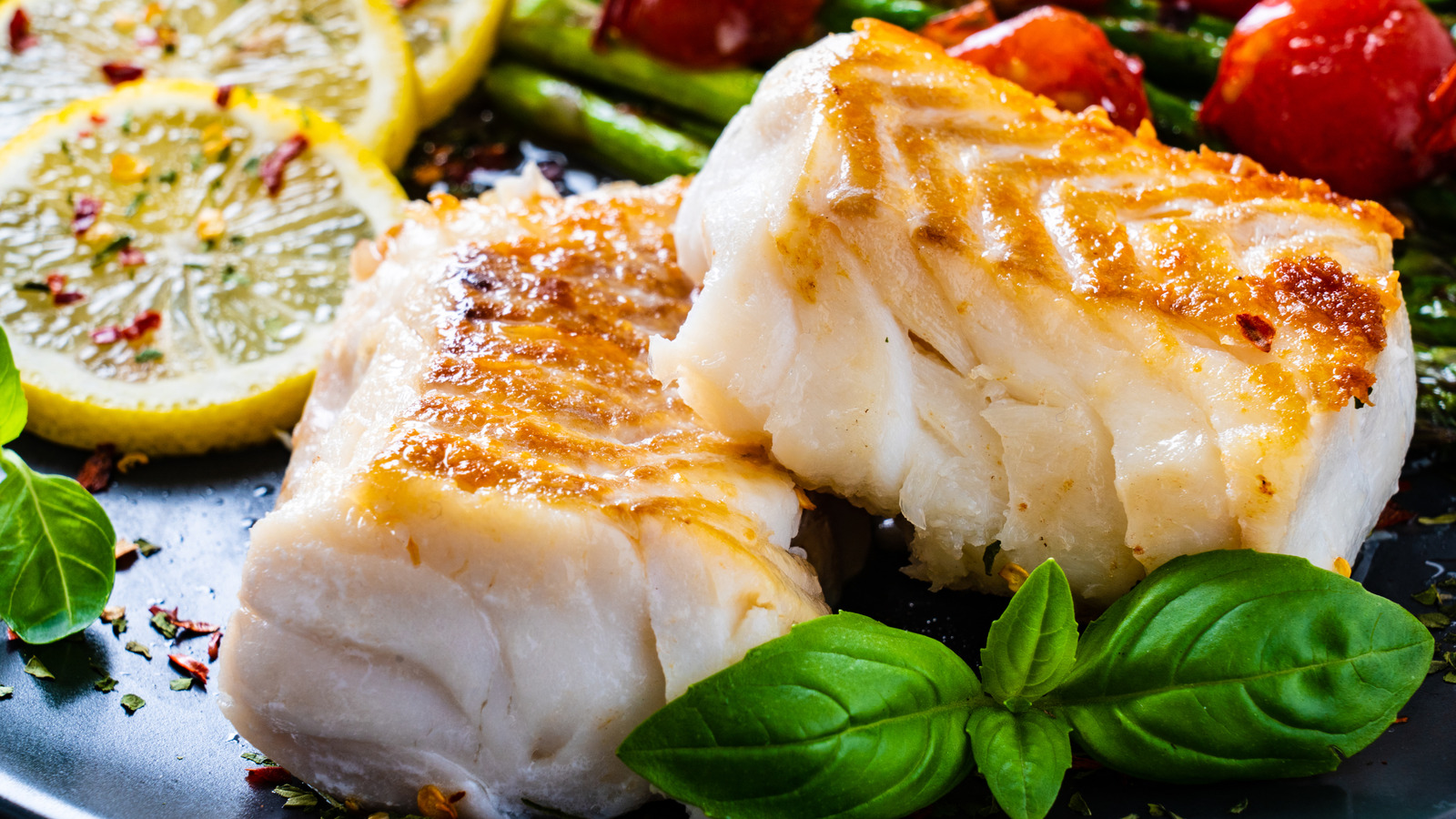
To figure out who's offering the best fried fish in every state that keeps people coming back, we scoured countless reviews, recommendations, and customer feedback. These were taken from across Reddit, Facebook, and review sites, including Tripadvisor, Yelp, and Google.
Food & drink

fromTasting Table
1 week agoThis Cocktail Staple Is The Secret To 'Amazing' Seafood Pasta, According To A Chef - Tasting Table
I use a lot of vermouth actually. Obviously it's a fortified wine and so therefore it has a lot of flavor. When I'm doing pastas, for example, I'm using white vermouth sometimes. If I'm doing a seafood pasta with clams, it's amazing. People are like, 'What's that flavor in there?'
Wine
Environment
fromwww.scientificamerican.com
2 weeks agoCrabs are cannibalizing one another with surprising rapacity in parts of the Chesapeake Bay
Blue crabs in Chesapeake Bay cannibalize each other at such high rates that they are their own primary predatory force, accounting for 97 percent of crab deaths and injuries over a 36-year study.
NYC food
fromNOLA.com
3 weeks agoOysters, gumbo and new life for a French Quarter spot as brothers bring NYC success home
Brothers Alex and Miles Pincus are opening Holywater, a new oyster-focused restaurant in New Orleans' French Quarter, led by chef Alex Harrell, expanding their Crew restaurant group.
fromTasting Table
2 weeks agoThe Best Seafood To Use For An Ultra-Rich Bouillabaisse - Tasting Table
The best seafood to include in an ultra-rich bouillabaisse is a medley of seafood, starting with 'a collection of rockfish.' Traditional bouillabaisse, from my experience in Marseille where it's from, is made from a combination of rockfish that are easily sourced in that region.
Food & drink
fromTasting Table
3 weeks agoThe 'Oyster Capital Of The East Coast' Isn't The State You Might Expect - Tasting Table
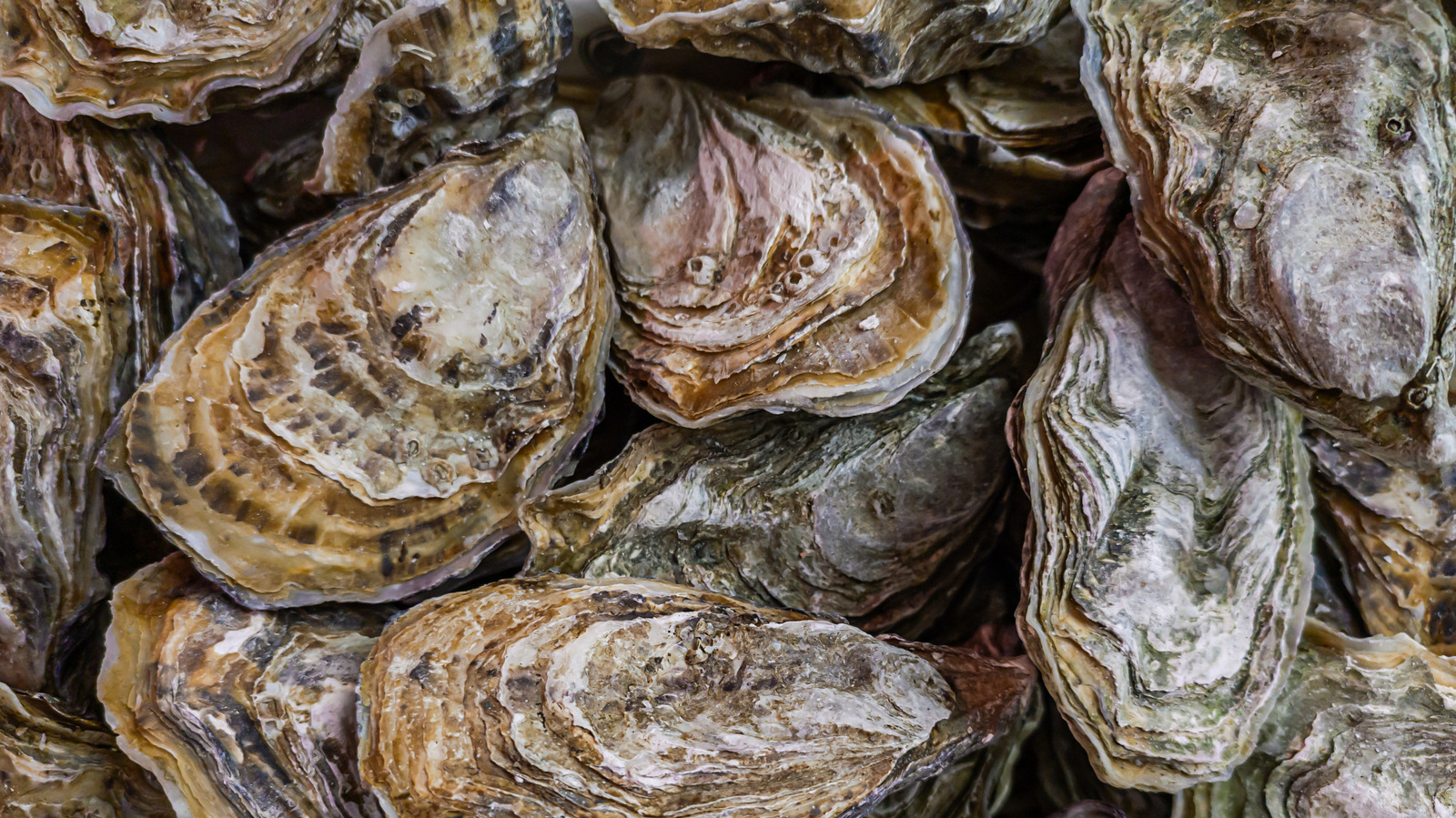
East Coast oysters are known and loved over the world for the clean minerality and distinctive salinity, which is reflective of the cold Atlantic waters where they come from. Although Maine and Maryland get a lot of credit, oysters are present along the continent's entire eastern coast, as far north as Canada's Prince Edward Island all the way down to South Florida.
Silicon Valley food
fromThe Mercury News
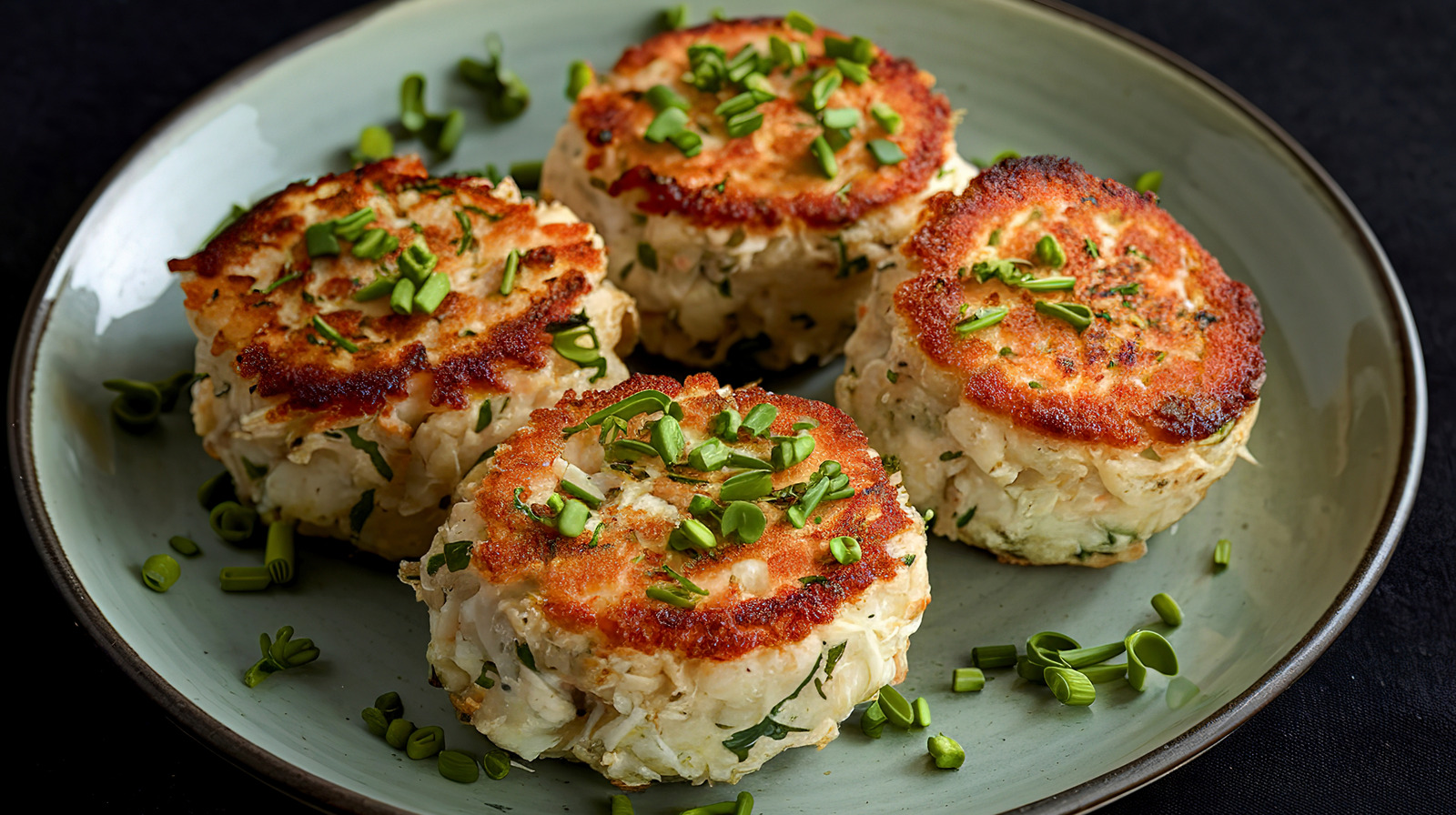
3 weeks agoRecipe: Dungeness Crab Cakes with panko and herbs from National Geographic
Nearly 40 miles of untamed coastline are protected in Redwood National and State Parks in Northern California. This means that besides viewing the massive, jaw-dropping trees, visitors can also meander the Pacific Ocean's edge, marvel at cliffs and perhaps even spot a gray whale. Of course, the sea's bounty also provides a delicious meal at the end of a drive or a hike.
LA food
fromTasting Table
4 weeks agoThe Tiny Florida Island That Foodies Go Out Of Their Way To Find - Tasting Table
For all its charms, this bump of land is most famous for a stunning amount of high-rated restaurants, making it a quirky food destination like no other. Folks are known to plan entire day trips around what's for supper, lunch, or breakfast - or all three, since time basically slips away upon arrival.
Miami food
SF food
fromThe Infatuation
2 weeks agoThe Best Cioppino In San Francisco - San Francisco - The Infatuation
Cioppino, a San Francisco classic invented by fishermen over a century ago, remains an iconic dish combining tomato broth and mixed seafood, with several top establishments serving it throughout the city.
Agriculture
fromEater
1 month agoHow One Farm Raises the Rarest, Most Expensive Mollusk in America
The Cultured Abalone Farm in Santa Barbara is the primary source of commercially farmed red abalone in the U.S., supplying restaurants nationwide while supporting conservation efforts for nearly extinct wild populations.
Food & drink
fromTasting Table
3 weeks agoThe Popular Seafood Appetizer That Restaurant Workers Say They Don't Order - Tasting Table
Health authorities recommend eating only cooked oysters due to risks from Vibrio bacteria, Salmonella, and norovirus that cannot be detected by appearance, smell, or taste.
Miscellaneous
fromTasting Table
1 month agoThis Vibrant Long Beach Restaurant Serves Some Of The City's Best Seafood - Tasting Table
Selva in Long Beach offers fresh seafood and Colombian cuisine under chef Carlos Jurado, featuring dishes like ceviche, grilled octopus, and whole fish with highly praised service and ambience.
SF food
fromTasting Table
3 weeks ago8 Seafood Chains With The Worst Quality Fish, According To Reviews - Tasting Table
Chain restaurants serve low-quality seafood that falls below acceptable standards, with Long John Silver's exemplifying poor fish preparation through excessive battering and unappetizing presentation.
Food & drink
fromTasting Table
2 weeks agoHere's When You Can Expect To Find Captain D's Lobster Rolls On Menus Again - Tasting Table
Captain D's lobster rolls, made with real North Atlantic lobster and served on toasted rolls for around $4.99 for two sandwiches, are a seasonal limited-time offering that returns periodically throughout the year.
fromThe Takeout
4 weeks agoYour Guide To The Types Of East Coast Oysters - The Takeout
Generally, East Coast oysters are brinier than West Coast oysters. Eastern oysters, raised either in the Atlantic Ocean or in its estuaries, live in a much saltier environment. West Coast oysters are mostly raised in protected bays, estuaries, and tidal rivers, where there is much less salt.
Silicon Valley food


East Bay food
fromTasting Table
1 month agoLouisiana's Best-Kept Secret: A Fishing Town Full Of Mouthwatering Seafood Events - Tasting Table
Delcambre, Louisiana is a working fishing town centered on shrimp production, hosting an annual five-day festival in August and a monthly seafood farmers market celebrating local maritime heritage and Cajun culture.
SF food
fromCbsnews
3 weeks agoRaw oysters and clams recalled in 9 U.S. states over possible norovirus contamination
Federal officials recalled clams and oysters from nine states due to norovirus contamination risk, with products harvested in February and March appearing normal despite potential illness.
Food & drink
fromEater
1 month agoDrive, Ferry, or Swim If You Must to Reach Washington State's Outdoor Oyster Saloon
Hama Hama Oyster Company, a 124-year-old operation on Hood Canal, offers unique farm-to-table dining with oysters harvested directly from adjacent beds and served in open-air A-frame huts.
Cooking
fromTasting Table
1 month agoHere's What Sam's Club Seafood Boil Kit Gets You For Just Under $100 - Tasting Table
Sam's Club offers a Maker's Mark Seafood Boil Kit for $98.98 that arrives pre-packaged with all frozen ingredients, requiring only 30 minutes of cooking time and serving multiple people.
fromTasting Table
2 months agoThe Difference Between Saltwater Vs Freshwater Shrimp - Tasting Table
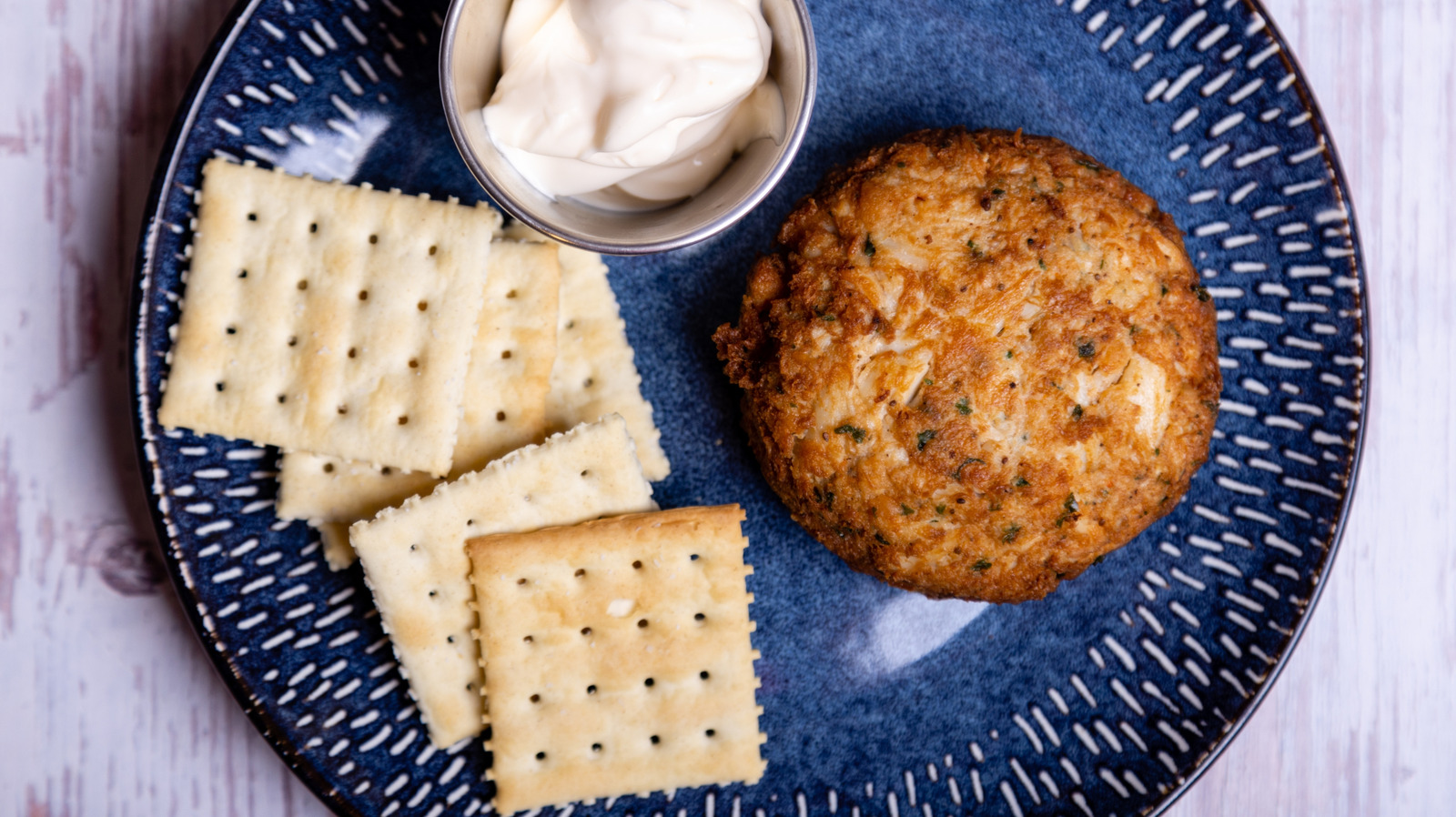
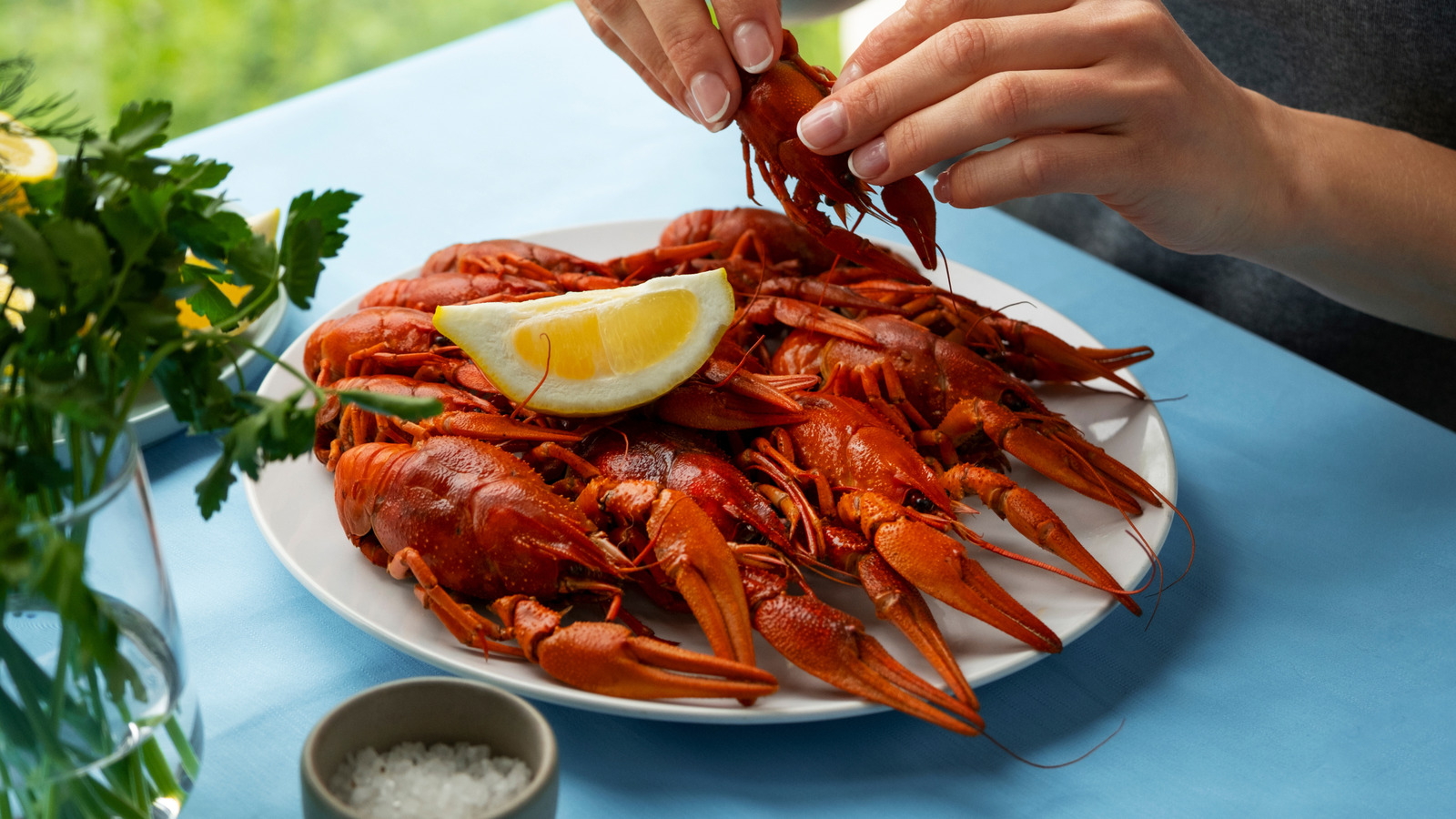
When it comes to the list of the most popular seafood in the U.S., shrimp is far and away the most consumed. While we tend to think of seafood as coming from saltwater oceans, this list also includes freshwater fish, clams and shrimp. It's true that most of shrimp we eat comes from saltwater habitats, but freshwater shrimp has its place at the table. Setting aside the distinction between shrimp and prawns, there are some key differences between freshwater and saltwater shrimp that you should know.
Food & drink
fromTasting Table
1 month agoThe Only Shells You Should Be Using For Perfect Stuffed Clams - Tasting Table
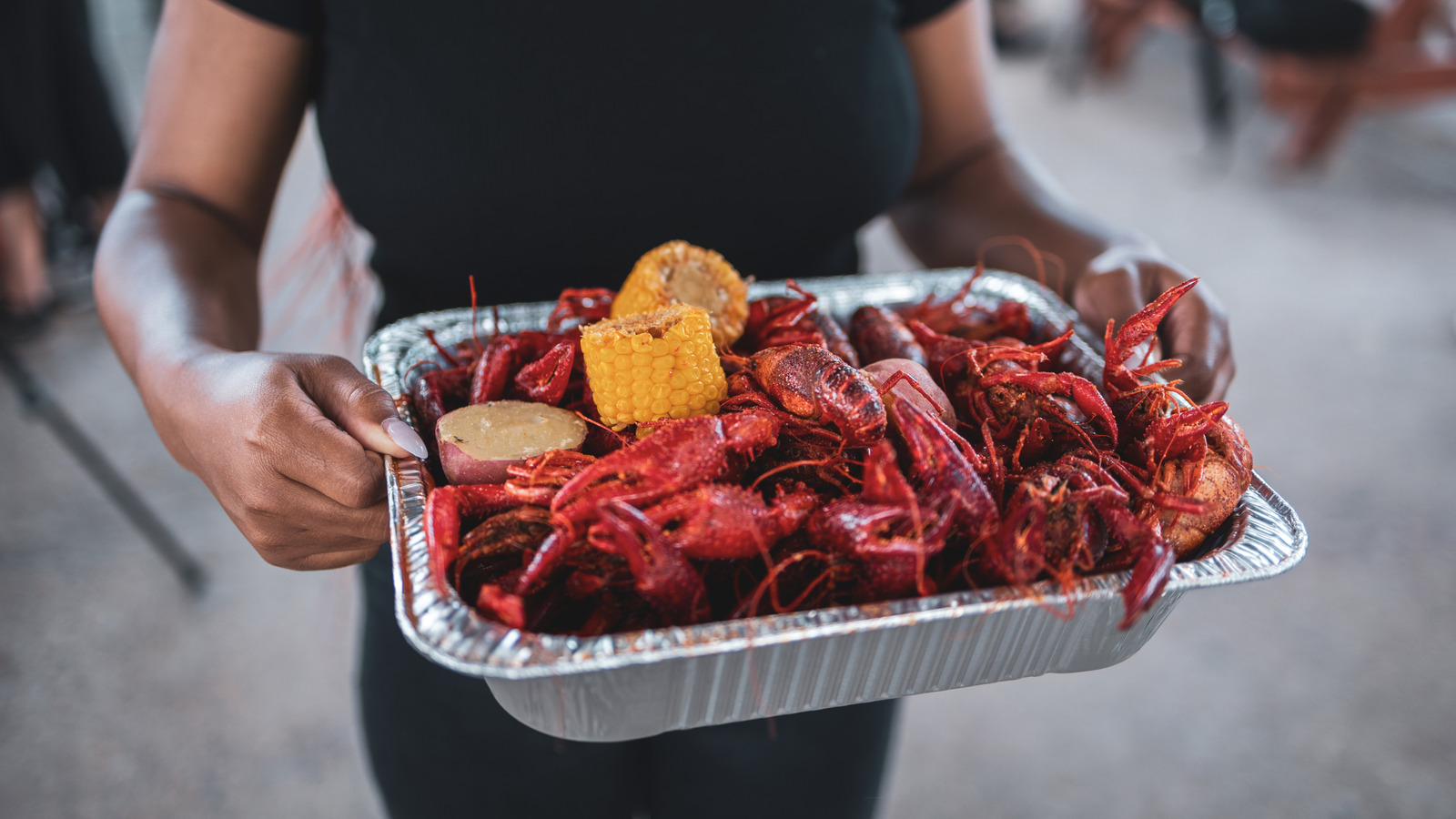
Stuffed clams are that perfect mixture of homey flavors - like garlic, butter, and breadcrumbs - and elevated seafood. But making the perfect stuffed clams isn't as easy as stuffing whatever clams you have. There are more than 10 different types of clams, and you must choose the clam with the right type of shell for your stuffing needs. Luckily, Tasting Table caught up with Franklin Becker, the chef/owner of Manhattan seafood restaurant Point Seven, who shelled out some pretty top-notch advice.
Food & drink
fromTasting Table
2 months agoYou Need To Stop Throwing Out The Green Part Of Lobsters ASAP - Tasting Table
But when you pull off that tail section, you will reveal inside the cavity something that stands out against all of the pink and white flesh - a strange green paste. For many bib-clad lobster eaters, this green stuff ends up in the bin along with the scraps of cracked and empty shells, but they don't know what they are missing. That green paste is called tomalley, and despite its potentially off-putting appearance, it's a part of the lobster experience begging to be savored.
Cooking
fromTasting Table
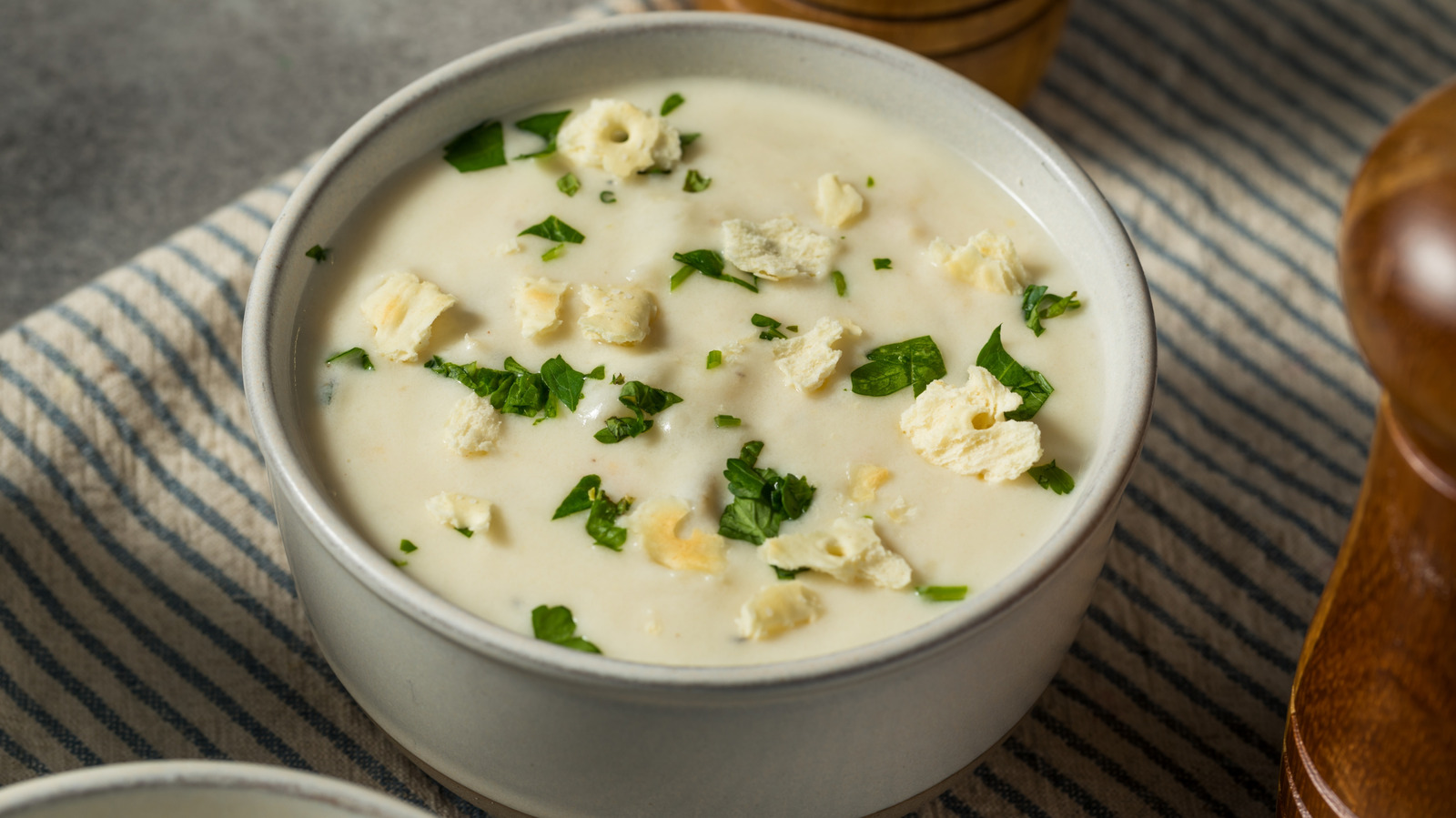
2 months agoNew England's Unique Topping For Clam Chowder Is A Lot More Hearty Than Oyster Crackers - Tasting Table
In New England, the official dipping buddy for creamy clam chowder is called a common cracker, and it's different than any other cracker in almost every possible way. For starters, it's larger (about the size of a Ritz cracker), rougher, and looks unmistakably old-school. The common cracker's flavor is also deliberately restrained. Wheaty, crunchy, and very hearty - these unleavened crackers swell slightly in creamy New England clam chowder. This makes them take on a dumpling-like quality, and it's not accidental.
Food & drink
fromEpicurious
2 months agoCheddar Biscuits With Old Bay
Welcome to Bon Appétit Bake Club, a community of curious bakers. Each month senior test kitchen editors Jesse Szewczyk and Shilpa Uskokovic share a must-make recipe and dive deep on why it works. Come bake and learn with us-ask questions, share pics, listen to our podcast, and lots more here. And don't forget to join the Bake Club Group chat over on Substack.
Food & drink
fromTasting Table
2 months agoThis Old-Fashioned Fishy Condiment Used To Be A Staple On The Dining Table - Tasting Table
It was joined by South African fish paste brand Redro, which emerged in the 1930s. Peck's anchovy-based paste originally became famous for its shelf stability and the fact that it would elevate a simple piece of buttered toast with its salty flavor. It has the consistency of a pâté and is packed with umami flavor. Folks still missing this condiment can purchase Peck's Anchovette on Amazon or try their hand at a copycat recipe.
Food & drink
fromTasting Table
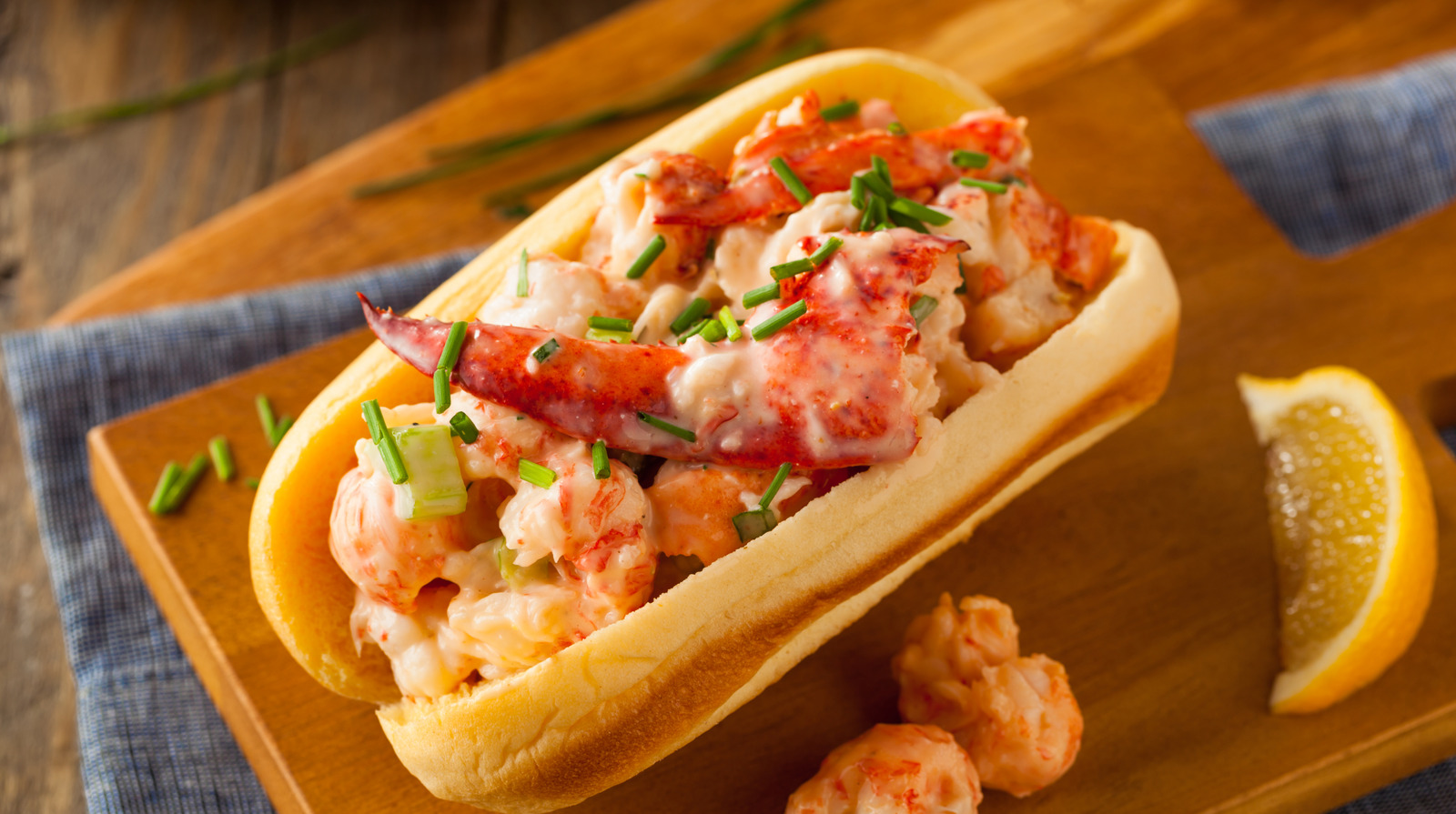
1 month agoThe Seafood Sandwich To Try If You Love Lobster Rolls - Tasting Table
Nothing screams summer in New England more than a fresh, buttery lobster roll. Whether you like yours served cold and loaded with creamy filling or you prefer a bun stacked with warm, naked claws, lobster rolls are a staple part of the Northeastern diet - and they're often enjoyed in other parts of the country too. If you're a fan, then there's another seafood sandwich you should try, especially if lobsters aren't commonly found in your area: Scallop rolls.
Cooking
Food & drink
fromWashingtonian - The website that Washington lives by.
2 months agoThis Rainy Oyster-Themed Wedding Was an Ode to the Rappahannock River - Washingtonian
A waterfront wedding celebrated family, small-town roots, and a shared love of coastal lifestyle with boat arrivals, oyster accents, and lively communal music.
fromTasting Table
2 months agoFor Seafood Lovers, This South Carolina Island Delivers Paradise - Tasting Table
The infamous Sea Islands of America cluster along the Atlantic coastline from Georgia through South Carolina, each cradling a history and culture unique to itself. From cultural distinctions to Gullah food traditions, storytelling folk art, and sweetgrass basket weavers, these barrier islands couldn't be more distinctly defined. But they do have one enduring commonality: A wealth of seafood that defines the way locals and visitors eat.
Food & drink
fromTasting Table
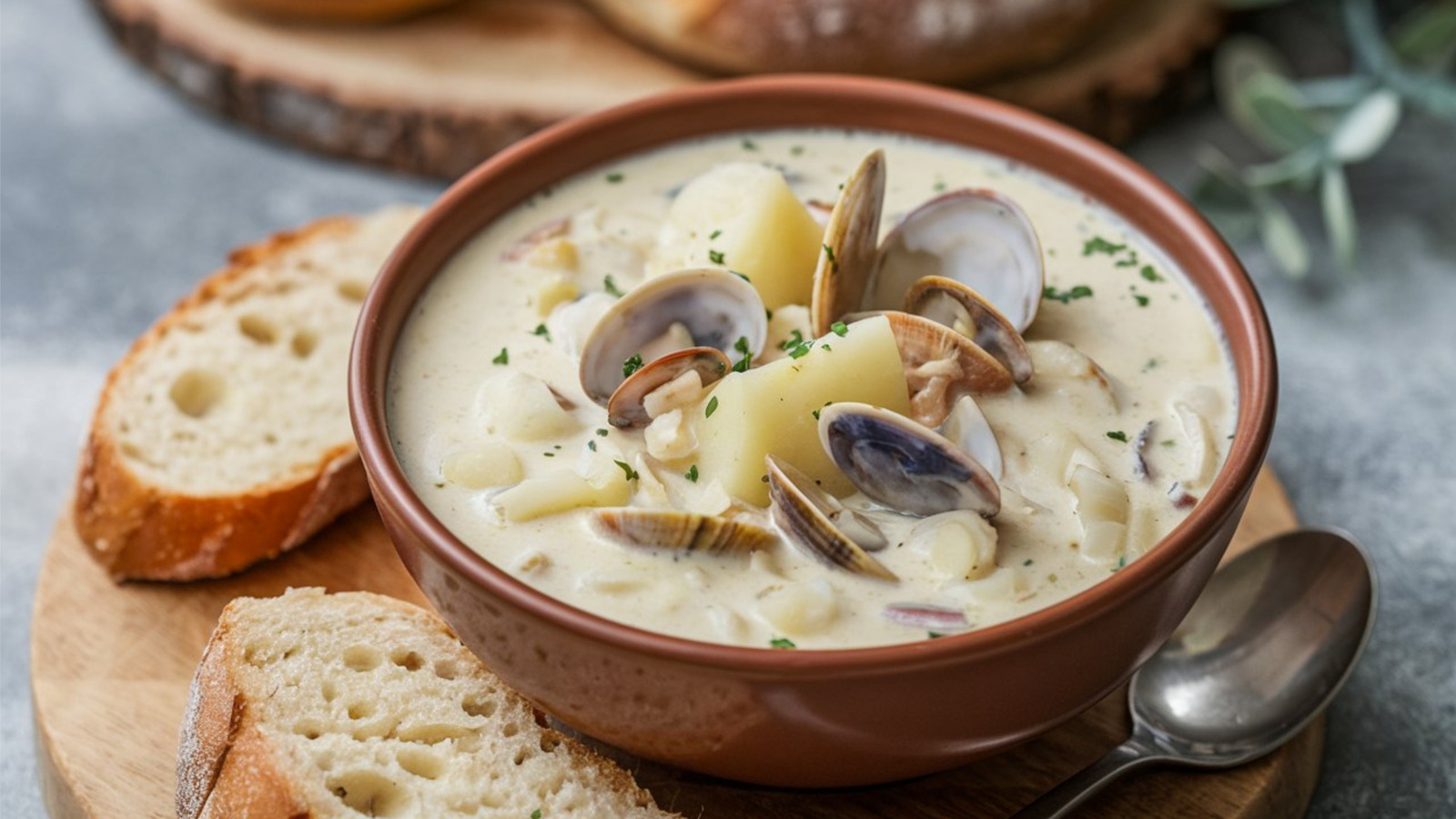
1 month agoThe Worst Store-Bought New England Clam Chowder Comes From A Popular Brand - Tasting Table
Campbell's has been producing chunky soups since 1970, with the Old Bay Seasoning collaboration hitting shelves in 2022. There are so many ways to use Old Bay seasoning, so it's a pairing that makes sense, but our tester felt like the execution just wasn't there. Despite Campbell's promising "generous pieces of hearty clams," the soup was mostly made up of potatoes, which is not what you want from a good New England clam chowder.
Food & drink
[ Load more ]