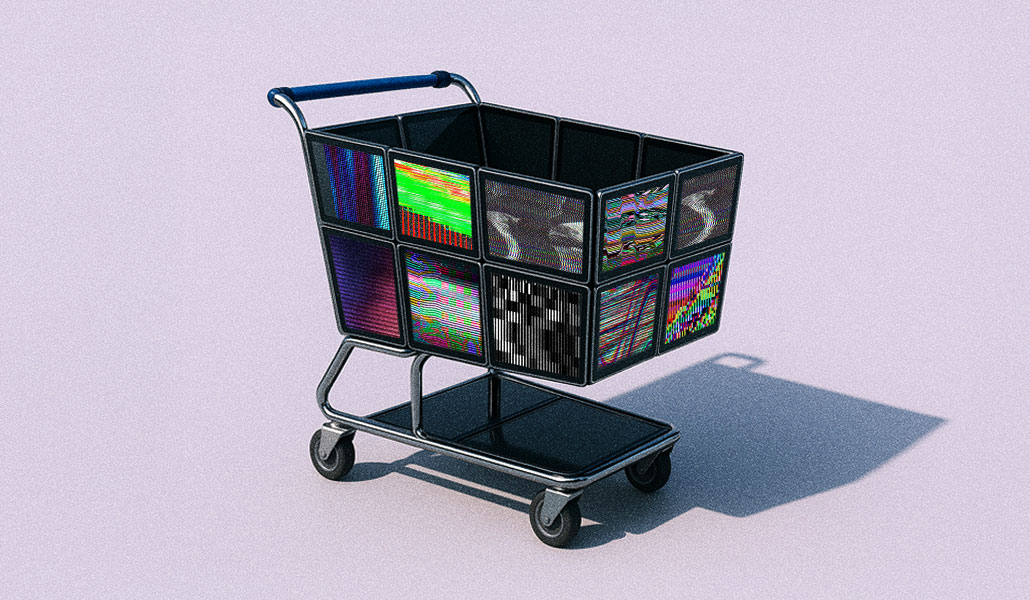
We're underestimating the fluidity and opportunity between physical and digital consumer behavior in marketing. Marketers and their associated media spend still obsess a little too much on things like digital metrics, social metrics, viewership, etc. We forget that as consumers, we bought it, we watched it, we listened to it, we viewed it—that's a very fluid experience through the digital and physical world.
And, often, the value of this data increases when it's nested within a larger company. For example, Infillion acquired Catalina this week, as it plans to infuse its DSP. In some ways, the MediaMath DSP- Catalina data combo emulates Amazon, whose DSP is superpowered by its ecommerce sales data.
"2026 will be a defining year for Australia's digital ecosystem," said Jessica Miles, country manager ANZ at IAS. "As AI accelerates the creation of content at unprecedented speed, brands are demanding sharper attention insights, stronger transparency, measurement, and optimisation that can keep pace with the complexity of emerging media. The next year will reward marketers who embrace innovation, and who invest not just in reach, but in the quality and integrity of every impression."
Marketing is evolving faster than ever, powered by cutting-edge tech and changing consumer habits. And marketers aren't just keeping up-they're leading the charge. AI is now a game-changer, with 59% of marketers worldwide recognizing it as key for campaign personalization and optimization, underscoring its power to streamline operations and free up valuable time. That same momentum is driving strong investment in connected TV (CTV), which has firmly secured its place as a top-tier channel.
From the reciprocal, and some have said circular, nature of hundreds of billions in commitments in investment, tied to future chip purchases, to the extent to which GDP growth is reliant on this boom, some have said this is a bubble. A Harvard economist estimates 92% of US GDP growth in the first half of 2025 was due to investment in AI.
But as advertisers shift toward full-funnel strategies, RMNs are evolving well beyond the "conversion-only" mindset. By harnessing deep, high-frequency consumer insights, they can now deliver value across every stage of the buying journey, building awareness, driving consideration and strengthening loyalty. The key to unlocking this broader potential? Seamlessly bridging on-site and off-site advertising, connecting with consumers wherever they are and creating cohesive, high-impact customer journeys that maximize ROI.