#timber-design
#timber-design
[ follow ]
#architecture #design #sustainability #interior-design #sustainable-architecture #sustainable-design
fromYanko Design - Modern Industrial Design News
2 days agoThis Modular Teak and Aluminum Box Has a Lid That Folds Into a Table - Yanko Design
The Container 26L is designed to adapt across environments rather than anchor itself to just one, showcasing a blend of rugged utility and refined design.
UX design
#sustainability
Environment
fromLondon Business News | Londonlovesbusiness.com
2 days agoUnderstanding whole life carbon assessments and why they matter for buildings - London Business News | Londonlovesbusiness.com
Whole life carbon assessments measure carbon emissions throughout a building's life cycle, aiding sustainable decision-making in construction and property industries.
fromwww.housingwire.com
3 days agoSpeed-to-lead: Your Strongest Competitive Advantage in Homebuilding is Response Time
The demand for faster information has driven an evolution in consumer behavior. Buyers are researching multiple communities and submitting inquiries to several builders in rapid succession.
Online marketing
#tiny-homes
Renovation
fromYanko Design - Modern Industrial Design News
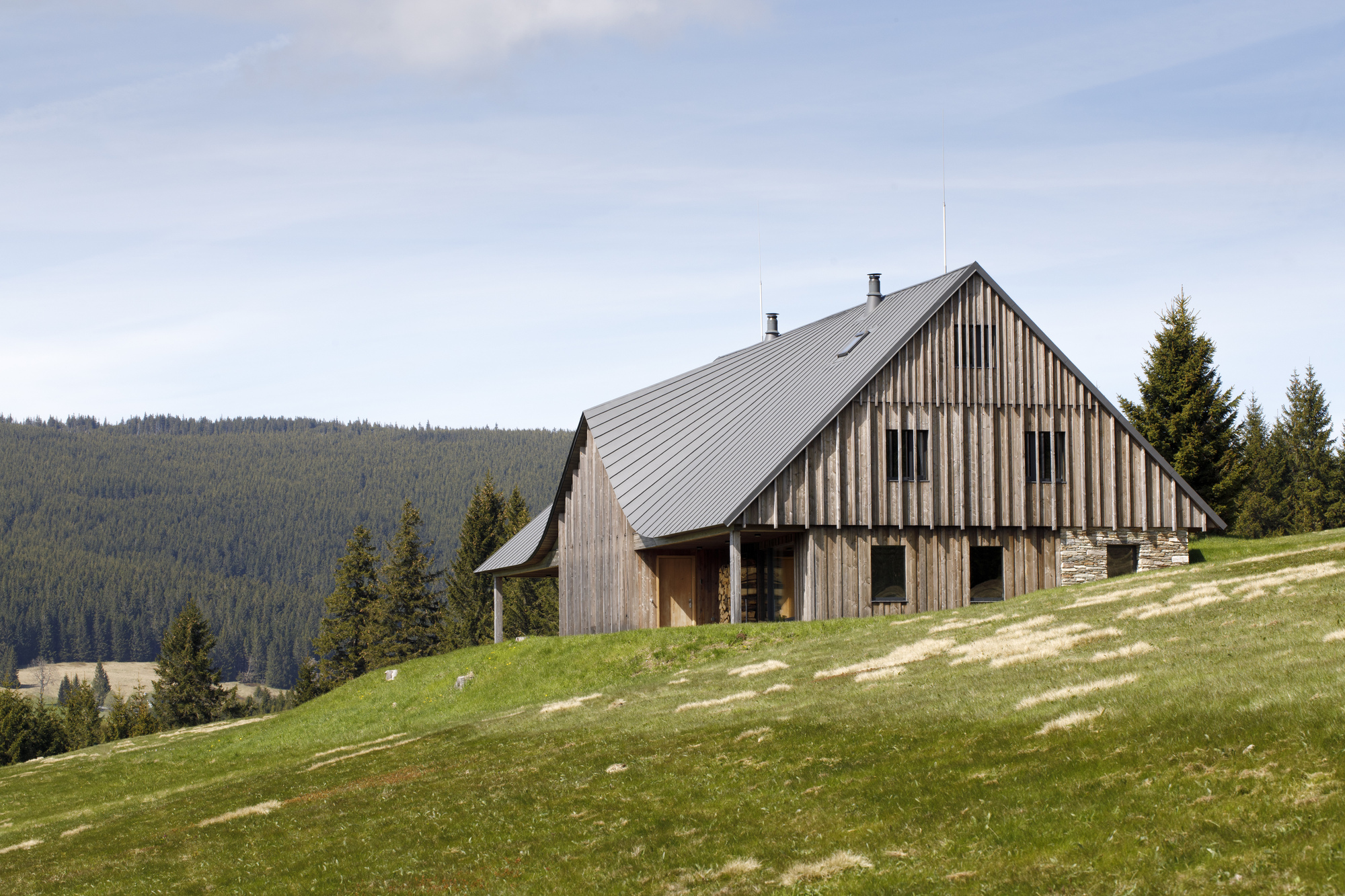
3 days agoThe Urban Gable Park Is What Happens When a Tiny Home Builder Stops Making Compromises - Yanko Design
The Urban Gable Park offers a spacious, well-designed tiny home experience with full amenities, prioritizing comfort and functionality over traditional tiny home limitations.
fromArchDaily
1 day agoMemory of the Earth: 4 Adaptive Reuse Projects Transforming Ceramic Factories
Ceramic factories mark the transition from manual knowledge to serial production, expanding its scale without entirely severing its material origins. Scattered across different territories, these structures record the relationship between technique, landscape, and time.
Renovation
Arts
fromArchDaily
1 month agoBuildFest Introduces "Acts of Construction," a Three-Year Exploration of Timber Installations
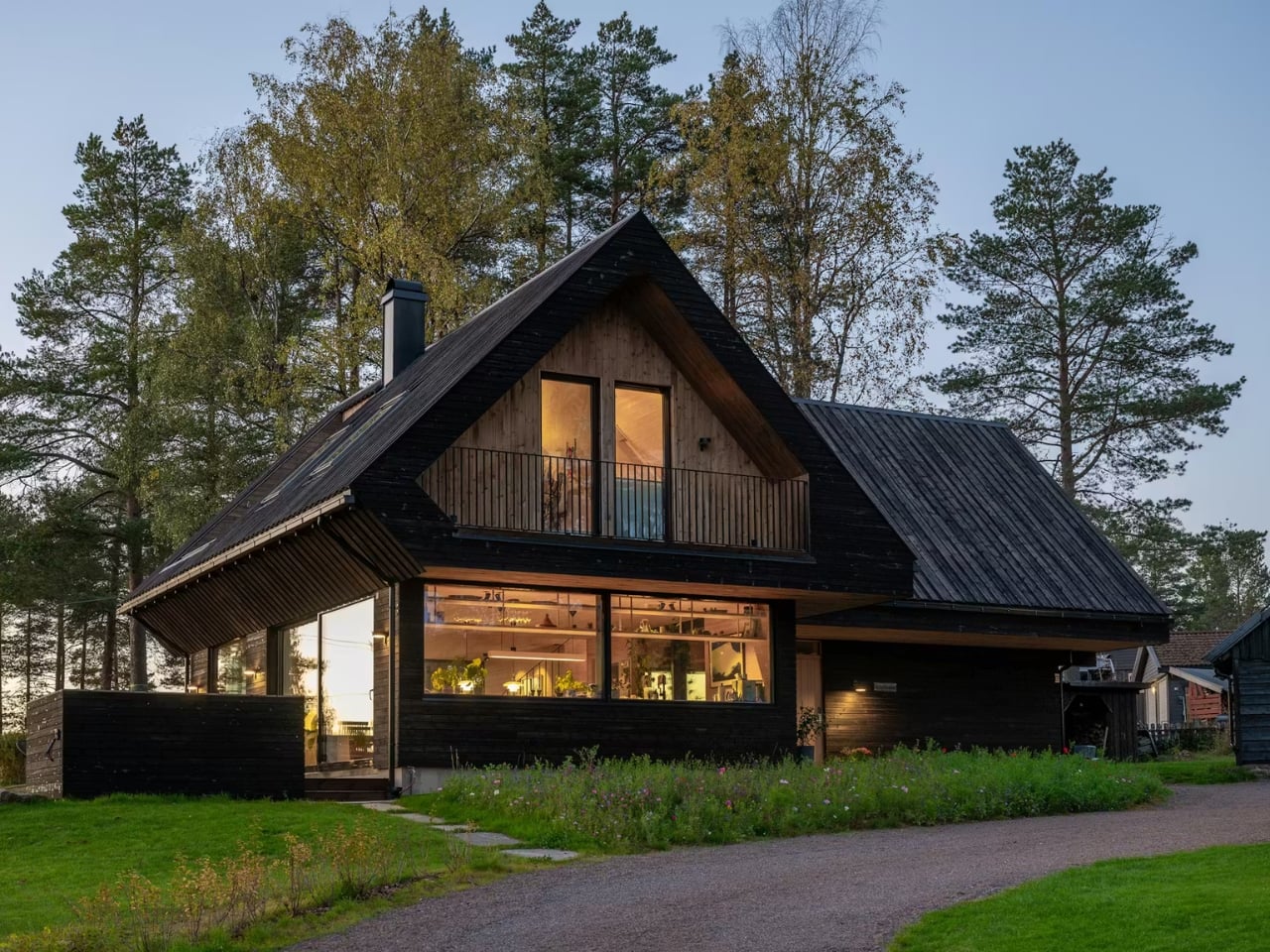
Bethel Woods launches BuildFest, a three-year initiative featuring large-scale timber installations and multimedia experiences on the historic 1969 Woodstock festival grounds, organized sequentially around construction, choreography, and performance themes.
Renovation
fromdesignboom | architecture & design magazine
2 weeks agorecycled ocean-plastic tiles, timber, and stone shape tropical house on costa rica's coast
Casa Milagros integrates local materials and tropical principles into contemporary architecture, creating a seamless connection between interior spaces and the surrounding landscape.
Environment
fromwww.theguardian.com
2 months agoWe can learn from the old': how architects are returning to the earth to build homes for the future
Unstabilised rammed earth provides a low-carbon, locally sourced building method with thermal mass, moisture control and potential for circular construction.
#sustainable-architecture
Design
fromdesignboom | architecture & design magazine
3 weeks agomud, bamboo, and tin craft a climate-responsive vernacular home in rural bangladesh
The Vernacular Home in Bangladesh utilizes local materials and techniques for climate-responsive design, emphasizing sustainability and cultural continuity.
fromBusiness Matters
2 months agoWhy Thermally Modified Timber Has Moved Into the Construction Mainstream
Thermal modification is not a new invention, but its relevance has increased as expectations around performance, sustainability, and predictability have tightened. Developers, architects, and contractors are no longer just asking whether timber looks good or performs well initially. They want to know how it behaves after ten, twenty, or thirty years, and how much risk it introduces into a project once the scaffolding is gone.
Remodel
fromwww.archdaily.com
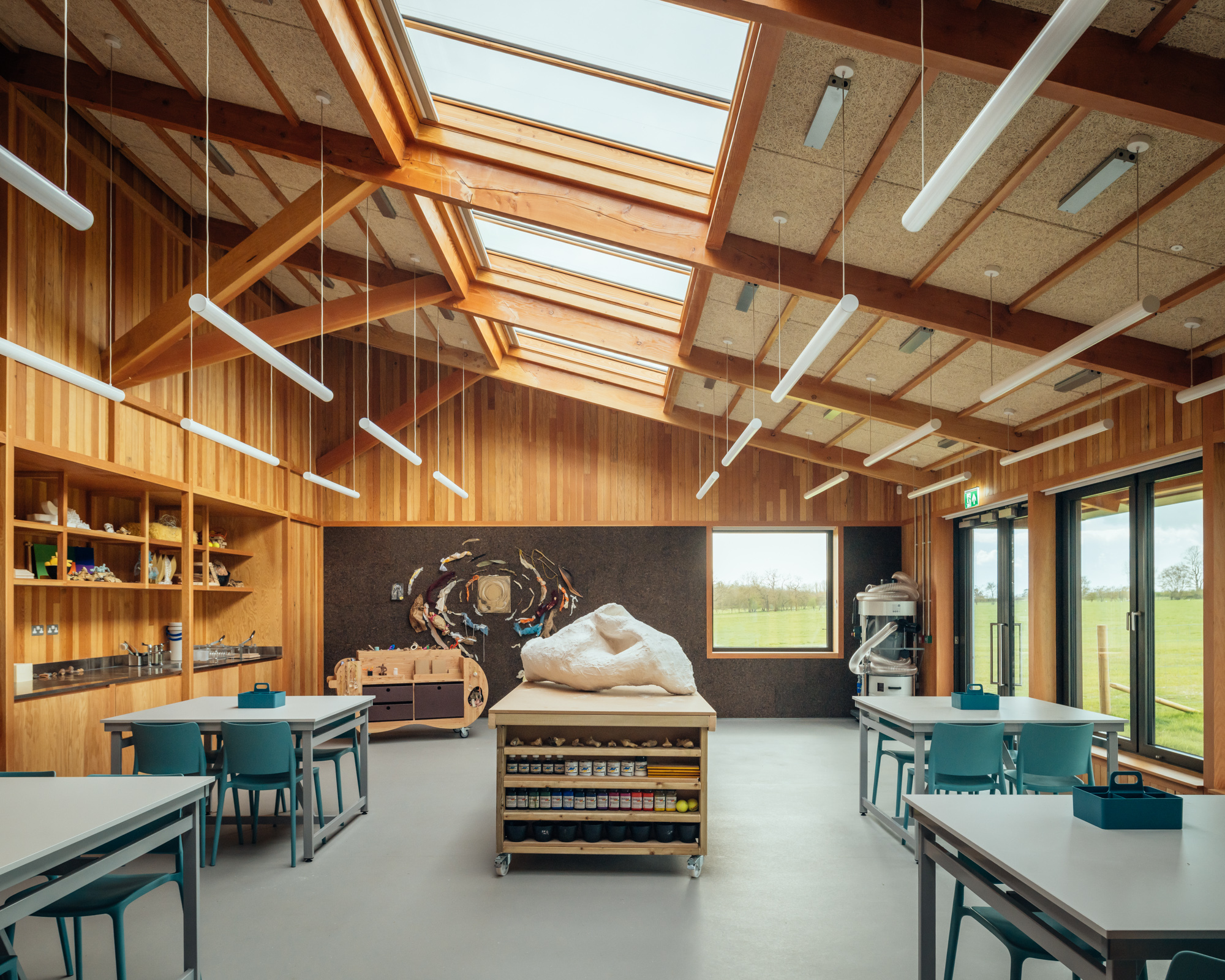
1 month agoWood House / JAK Architecture
What began as a modest brief for a young and growing family soon evolved into a considered renovation that reimagines an existing Barwon Heads home. The original house had endured several unsympathetic alterations over the years, leaving it disjointed and built to a poor standard.
Renovation
fromArchDaily
2 months agoWhen Light Meets Energy in Glass Ceilings
From the large industrial roofs and galleries of the 19th century to the contemporary atriums of museums and public buildings, glass has been a recurring material in shaping large and monumental interior spaces. More than a technological or engineering solution, these horizontal glazed planes introduce a distinct luminous quality: light that comes from above. Unlike lateral daylight entering through façades, zenithal light is more evenly distributed, reduces harsh shadows, and lends spaces a sense of continuity and openness that is difficult to achieve otherwise.
Design
fromLondon Business News | Londonlovesbusiness.com
2 months agoTimber cladding in the UK: Materials, performance, and regulatory reality - London Business News | Londonlovesbusiness.com
Timber cladding has become a defining feature of contemporary construction across the UK. Once associated mainly with rural housing and architectural one-offs, it is now widely used across residential developments, commercial buildings, education projects, and urban regeneration schemes. Its appeal is often described in visual terms, but appearance alone does not explain its continued growth. Timber offers flexibility in design, a lower embodied carbon profile than many alternatives, and the ability to integrate effectively within modern wall systems when specified correctly.
Renovation
fromArchDaily
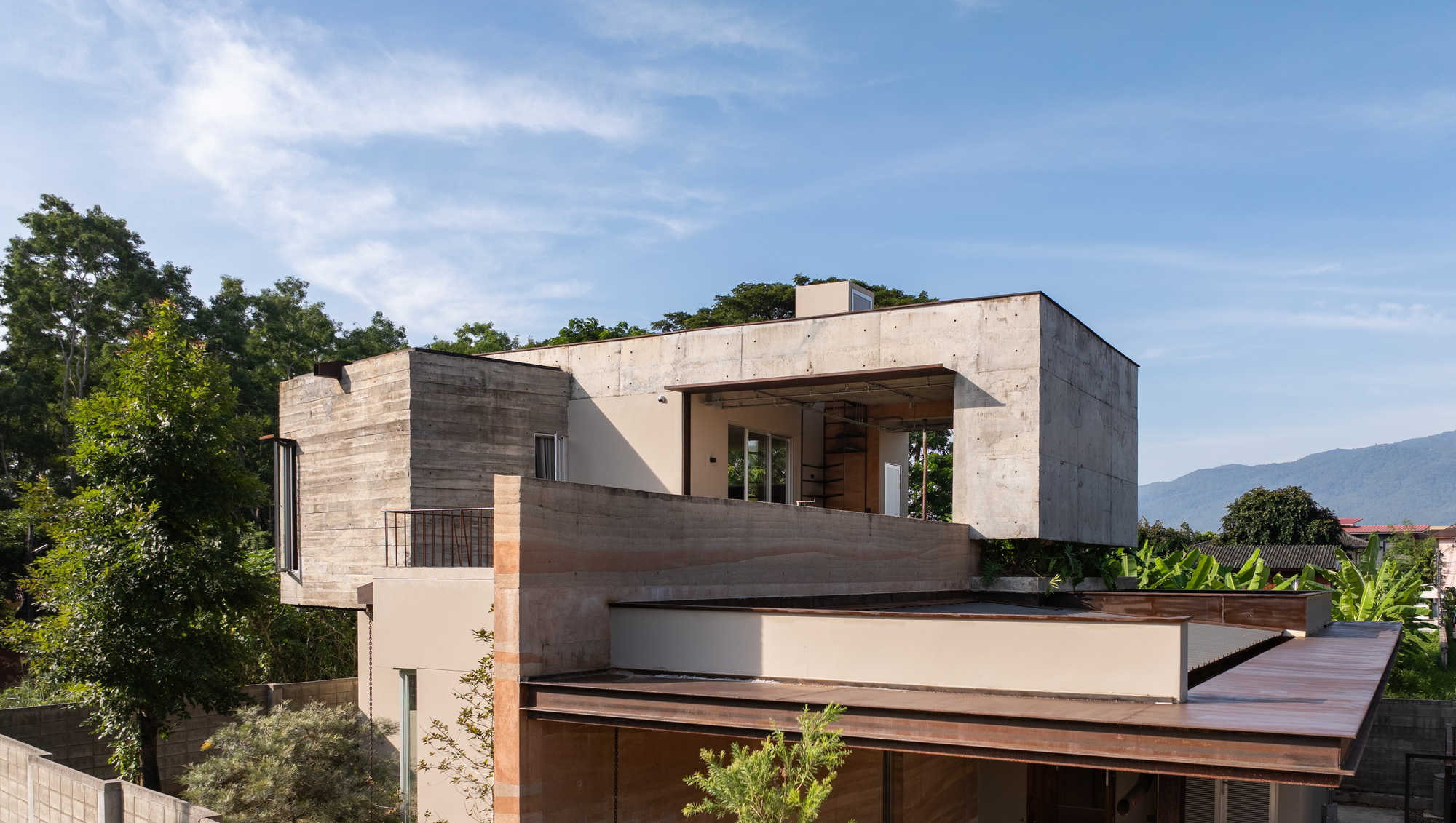
1 month agoBuilding with Earth: Traditional Knowledge in Contemporary Architecture
Rather than representing a simple return to the past, this renewed interest reflects a broader reconsideration of how architecture engages with materials, local resources, and environmental conditions.
Renovation
[ Load more ]