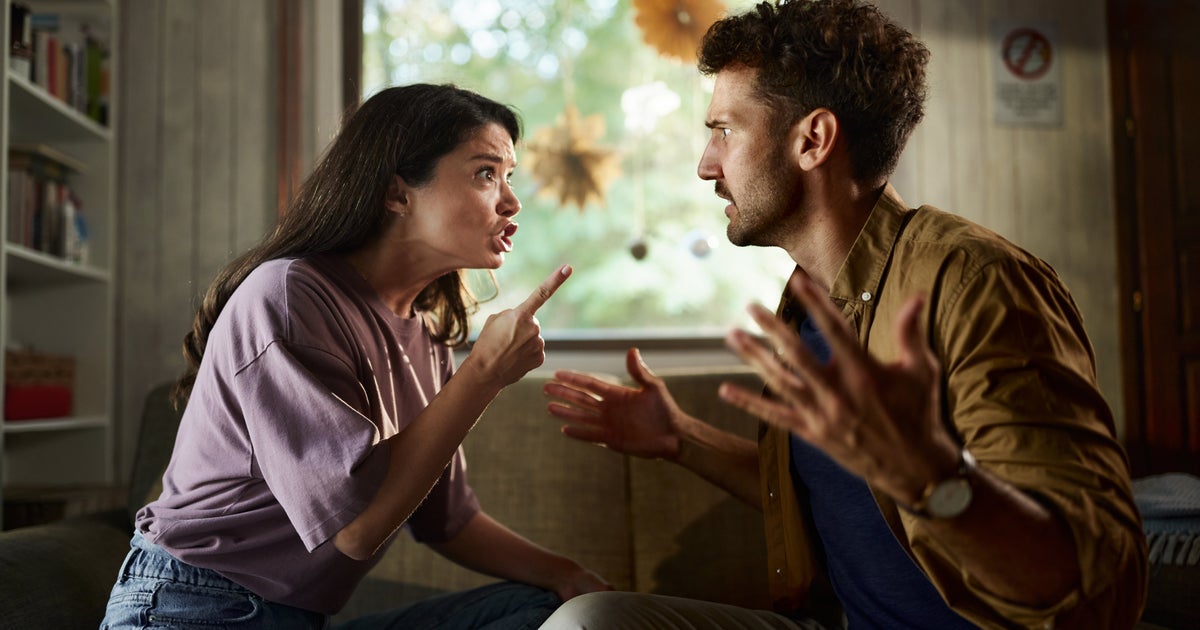
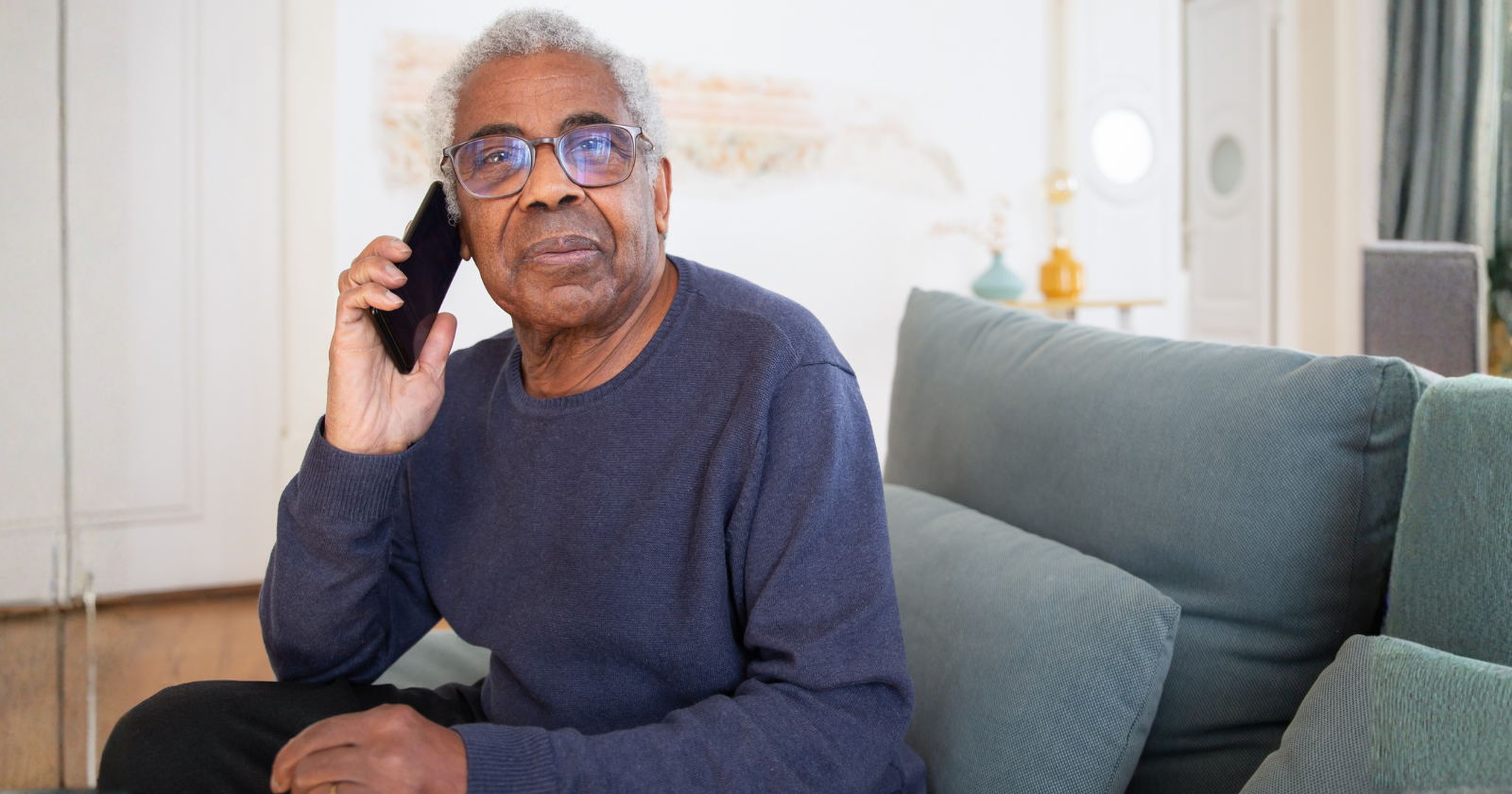
I had gotten along fine with my son until this moment nine years ago. Since then, he won't speak to me or return my texts, letters or phone calls and I haven't seen him. If I call him and he answers, he hangs up as soon as he hears my voice. I have no idea where he lives now (he's out of the Marines) or what his life situation is.
I spent years believing that being reasonable was a virtue. I thought that if someone I cared about - a partner, a colleague, a close friend - kept pushing after I said no, the burden was on me to be clearer. I believed that if I could find the right metaphor, stay calm enough or strike the perfect emotional note, they would finally understand. I wanted them to see my no as human, valid and final. But they never did. They were not listening.
Love is supposed to feel safe, right? I remember sitting across from my therapist three years ago, trying to explain why I stayed in a relationship where I constantly walked on eggshells. "But they love me," I kept saying, as if that justified everything. That session changed how I understood love forever. After my four-year relationship ended in my mid-twenties, I dove deep into understanding attachment styles and relationship psychology. What I discovered was eye-opening: Genuine love has boundaries.
To a large extent, research agrees that open, honest communication predicts higher relationship satisfaction, deeper trust between partners, and longevity of their shared bond. However, he says, there's nuance within that. A truth that might startle most couples is that more communication is not always better communication. He explains that discovering this doesn't mean now resorting to playing games or withholding feelings: Instead, they should try to focus on learning the difference between healthy expression and over-processing.
True love is not transactional. If we only love on the expectation of being loved back, then it is not love, it is bartering. Love is unconditional. I love you, and that is all and everything. You do not need to do anything. You do not need to reciprocate. You do not even need to know.
It perplexes Miss Manners how many people adore Les Miserables without being upset by its central accusation: that it is the rankest hypocrisy for society to equate serving one's time with forgiveness. But even if society were genuinely forgiving, there are many types of serious crimes. Being forgiven by society and being forgiven by one's victims are different matters. It is a simple matter to preserve your dignity with former victims of your husband's crime who now wish to maintain their distance: Respect that wish.
We had been talking about his most recent visit with his mother, one he had begun with cautious optimism, hoping that if he explained himself just a little more clearly this time, she might finally understand how her comments affect him. Instead, the interaction followed a familiar pattern. She minimized his feelings, and immediately redirected the conversation to her own stress. When he tried to point this out, she ended by accusing him of being "too sensitive. Must be from your father's side."
Managing your relationship with an unreliable or uncooperative co-parent can be very challenging, especially if you worry about your children spending time with them. I have worked with hundreds of women navigating divorce and want to reassure you that there is a lot of research supporting the fact that one healthy parent can outweigh the impact of an unhealthy parent. If you feel there are true safety concerns (this does not include less nutritious snacks or a later bedtime), it is important that you consult your legal team about options. Speaking with a child therapist or checking in with your child's pediatrician are other helpful avenues. If you don't have safety concerns but your relationship with your co-parent is strained, or you're worried about their parenting style, here are six things that can help.
"Sara" is a close friend who suffers from significant mental health challenges. She is often sullen, easily offended, and quick to anger. Recently, she had a severe meltdown (which was never discussed), cut me off completely, and didn't speak to me for months. We patched that one up somehow, but her behavior is frequently challenging to the point where I question whether our friendship is worth it.
I'm no judge but there seems to be a lot of hearsay happening here. The neighbor who gave you the warning was vague in a way that perhaps suggests discretion, but in reality, only muddies the waters. Either say something helpful (and objectively true) or say nothing at all; a blanket warning hews too close to gossip for my taste. If you want to be friends with this other neighbor, trust your judgment and proceed with caution, just as you would with anyone else.
It may be time to have a different conversation with your friend. Perhaps she is having memory problems. See if you can cite at least three instances when your friend has recounted a different version of a story to you than you remember. Tell her that you are concerned about her memory, and give her these examples as evidence. Know that she is likely to push back. Tell her anyway.
It's been a theme in letters I've seen this year-adults complaining that children aren't processing the difficult things they go through in the way the adults want them to. 15 is a really hard age for a lot of kids, let alone for those who've seen two fathers exit their lives (to varying degrees). He's processing a ton of changes in his own life, possibly entering high school, and he shouldn't feel responsible for the feelings of his ex-step-grandparents.
I used to think being busy meant being successful. My days were a blur of meetings, notifications, and commitments. My calendar looked impressive, but at night I lay awake wondering why I felt so exhausted and strangely unfulfilled. One rainy Tuesday, stuck in traffic between two appointments I didn't really want to attend, it hit me: I wasn't living my life. I was managing it. I'd filled my days with activity, but not necessarily with value.
I have no clue how to help her because every time I say that she is beautiful, she says I'm only saying that because I'm her mother. She is surrounded by social media images, unrealistic beauty standards and constant comparisons, and I fear that these influences have shaped how she sees herself way more than I ever could. I feel helpless watching her struggle with such intense self-criticism at such a young age.
I gave birth to a baby girl a few weeks ago, and my mom has been coming to help every week for a full day. She's wonderful with my newborn: she changes diapers like a pro, she is great at getting her to stop crying, and she is respectful of rules that were different from when she had her kids (like the fact that babies are supposed to sleep on their backs, without blankets and stuffed animals in the crib).