#food-intolerance
#food-intolerance
[ follow ]
#nutrition #gut-health #gut-microbiome #digestive-health #fiber #diet #health #fibre #gluten-free #wellness-trends
fromFood & Beverage Magazine
2 days agoSnacks for Every Body: Teddy's Tallow Chips and the Allergy-Friendly Crunch - Food & Beverage Magazine
Teddy's Tallow Chips began as a solution for Teddy's food allergies, with his mother Katherine cooking potatoes in beef tallow to create a safe snack.
Everyday cooking
fromIndependent
2 days agoRuth Medjber: I went for an ADHD diagnosis and discovered I was autistic - now, my tofu and Rich Tea fads make total sense
Getting an ADHD diagnosis at 40 provided clarity about my overwhelming feelings and the sense of losing control over my life, which many can relate to.
Mental health

fromPsychology Today
5 days agoThe Role of Food in Mental Health and Mental Illness
Research increasingly demonstrates that healthy nutrition improves mental health, and an entirely new subspecialty has formed to support this. Nutritional psychiatry is expanding rapidly, with research growing 15-fold from 2000 to 2024, reflecting the increasing acceptance of diet's role in mental health.
Alternative medicine
#gut-health
fromSilicon Canals
2 months agoHealth
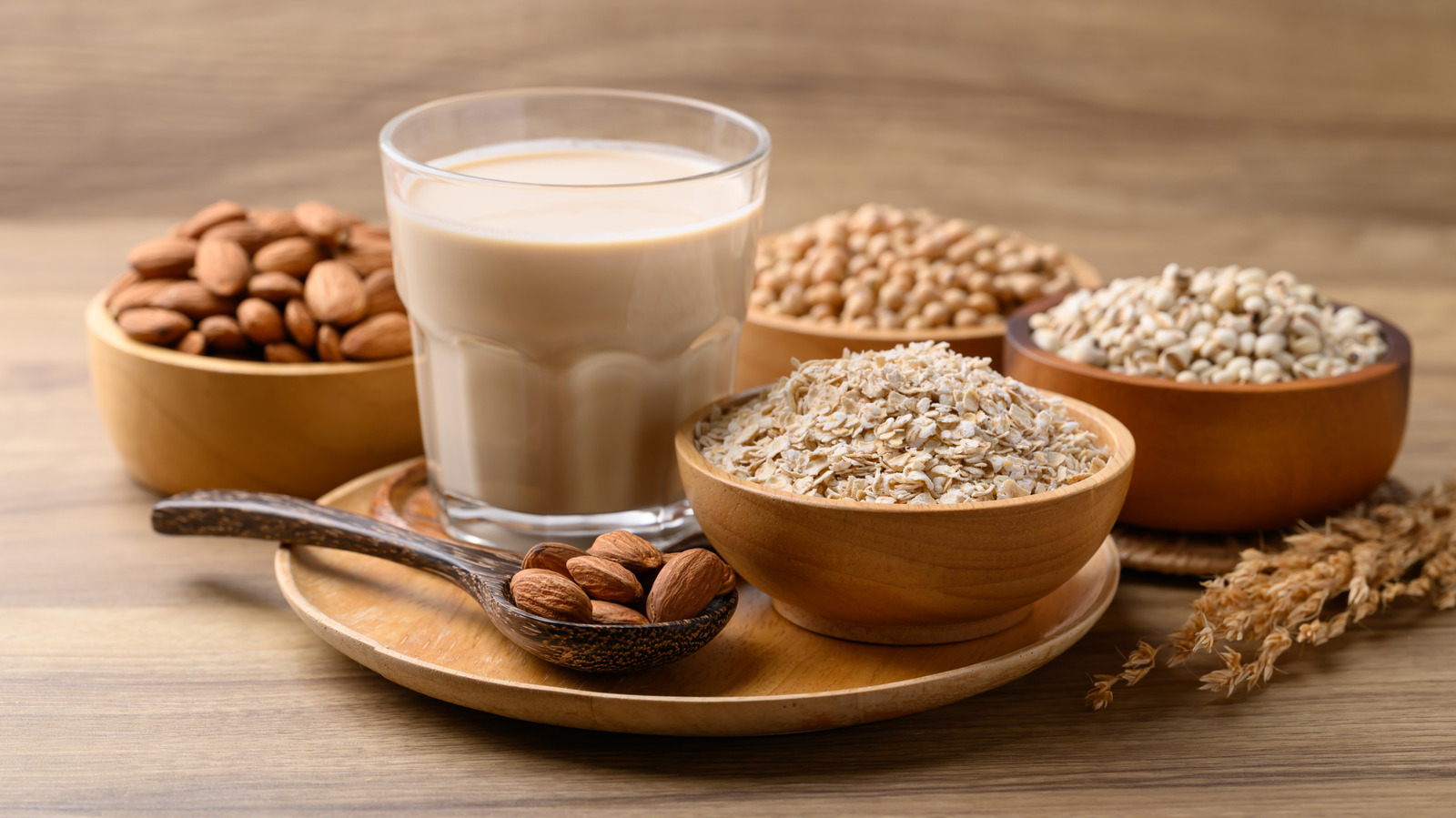
New warning: 9 everyday ingredients that may be triggering bloating for more people lately - Silicon Canals
Common 'healthy' foods high in FODMAPs, combined with lifestyle and production changes, have increased gut sensitivities causing bloating and digestive discomfort.
Health
fromwww.businessinsider.com
3 weeks agoHere are 3 tips to reduce your risk of heart disease from a researcher studying the link between cardiovascular and gut health
Maximizing gut health is linked to reducing chronic disease risk, emphasizing plant-based diets and limiting ultra-processed foods.
fromIndependent
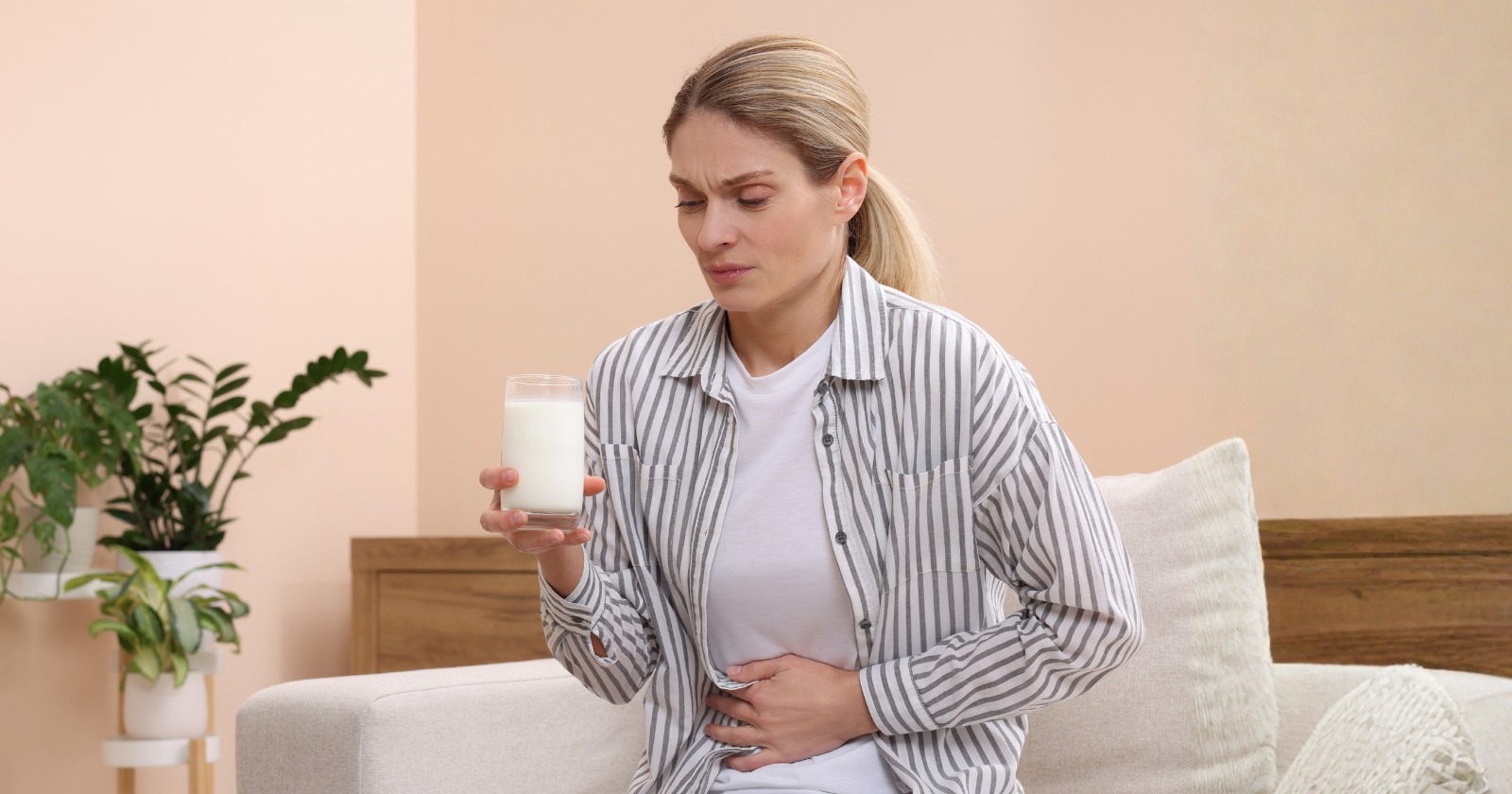
3 weeks agoEveryone's talking about: The ?'Chinese baddie' diet - what is it and does it improve digestion and banish bloating?
The 'Chinese baddie' diet trend on TikTok humorously highlights various traditional Chinese wellness practices, sparking interest in alternative health approaches among users.
Wellness

Online Community Development
fromGluten Free & More
1 month agoInspiring Voices in the Gluten-Free World
Community support networks empower gluten-free and celiac individuals through shared experiences, practical resources, and representation that normalize the lifestyle and make diagnosis transitions manageable.


fromPsychology Today
1 month agoIs the Gut-Autism Link Overblown?
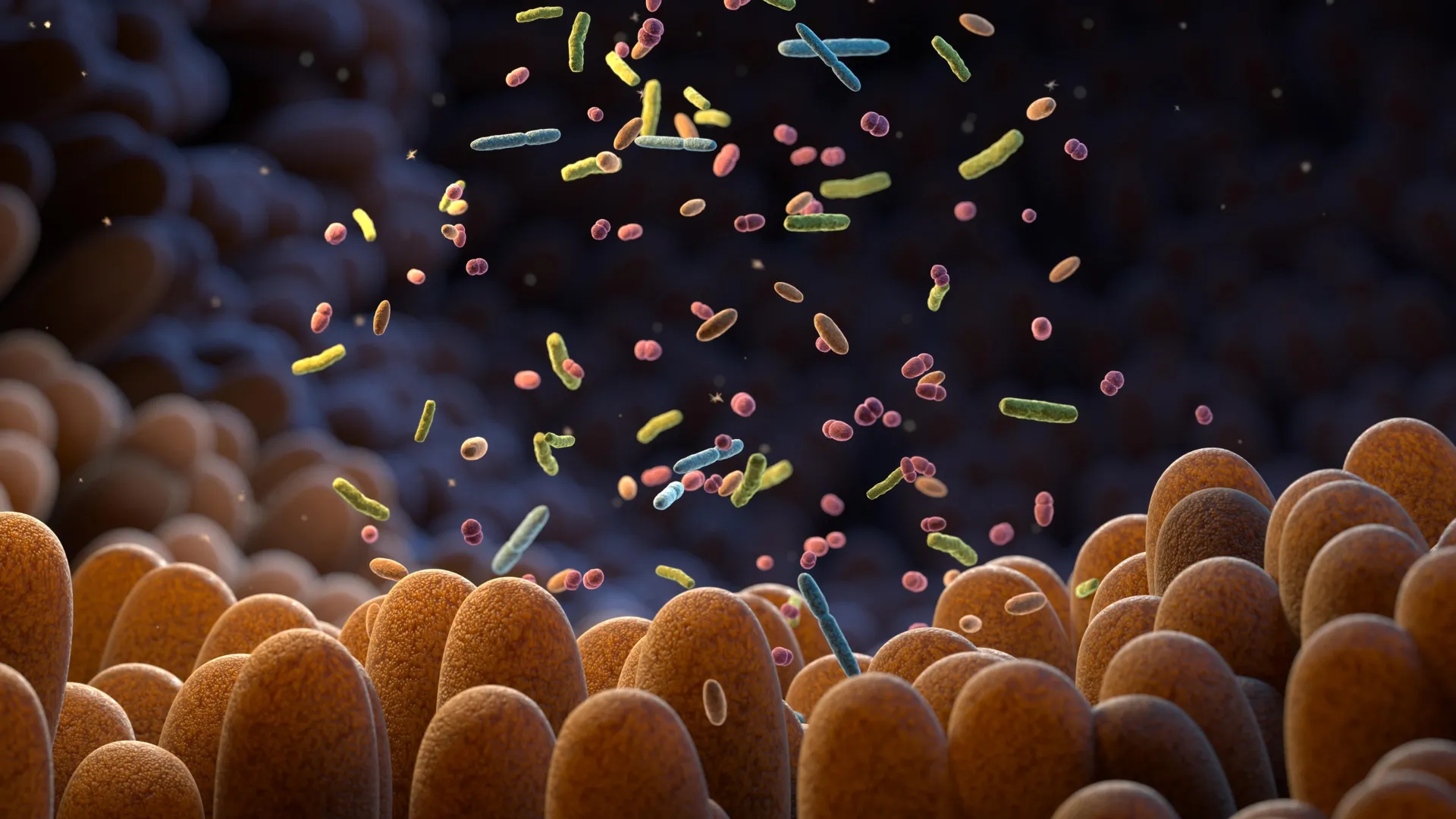
The article from the journal argues that the gut-autism axis is a house of cards built on lousy studies with inconsistent data. They assert that the studies are contradictory and that too much emphasis is placed on dubious mouse models. It is notoriously challenging to nail down microbial causes of disease—it is hard enough to simply identify a normal microbiome.
Science
fromwww.npr.org
1 month agoScientists find a new clue to help them identify a healthy gut microbiome
There are some communities that are very unhealthy where the diversity is higher. Low diversity is not a universal marker. We found something that at first seemed surprising. That a healthy microbiome has lots of competition. These bugs are all going after the same food. In an unhealthy gut, on the other hand, you see tight cooperation - microorganisms are helping each other out.
Medicine
fromwww.theguardian.com
2 months agoDoes it even need to be said? No, you don't need to do a parasite cleanse'
Everything on my Instagram feed at the moment is about worms and parasites, she told the Wall Street Journal, ominously adding: I don't know what the heck is going to come out. Maybe your social media feeds aren't full of posts about worms and parasites, in which case, congratulations. But type parasite cleanse into TikTok or Instagram and you'll be inundated with so-called experts peddling expensive herbal supplements that promise to detox the body and rid it of harmful worms and parasites.
Public health
fromwww.scientificamerican.com
1 month agoA pair of gut bacteria may cause constipation
Gut bacteria are crucial to ensuring healthy digestion and defecation. But two species of bacteria may also be the cause of constipation: according to a new study, Bacteroides thetaiotaomicron and Akkermansia muciniphila appear to work in concert to break down colonic mucin, the slimy coating in our colons that keeps our poo moving along. Too little mucin means a drier and more constipation-prone colon.
Science
Everyday cooking
fromBusiness Insider
1 month agoA dietitian, yoga instructor, and mom of 2 shares how she fills up on protein- and fiber-rich foods during her busy days
A busy dietitian prioritizes convenient, flexible whole-foods-focused eating with sustainable changes rather than restrictive diets, emphasizing protein and fiber-rich breakfasts to maintain energy and satiety throughout the day.
Public health
fromWashingtonian - The website that Washington lives by.
2 months agoHow 'Food Is Medicine' Movement Is Reducing Cost of Living
Medically tailored food programs increase access to fresh produce for food-insecure people with chronic diet-related diseases, and pilots aim to scale and evaluate veteran-targeted interventions.
Alternative medicine
fromAlternative Medicine Magazine
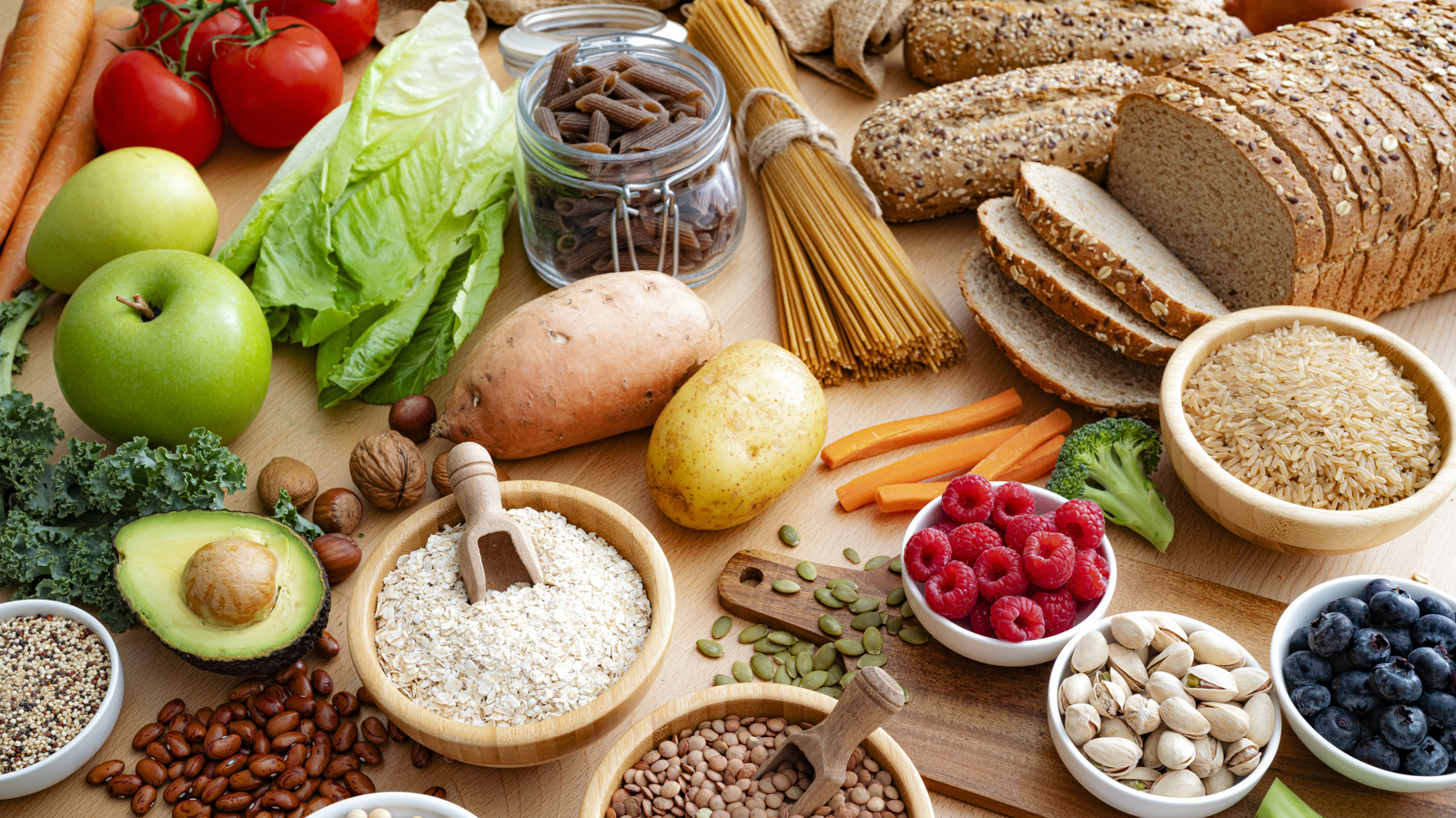
1 month agoThe Surprising Benefits of Whole Grains for Gut Health and Immunity
Whole grains retain bran, germ, and endosperm, providing fiber, vitamins, minerals, and antioxidants that support digestive health, gut microbiota, and immune function, unlike refined grains which lose these nutrients during processing.
Alternative medicine
fromwww.scientificamerican.com
1 month agoHelp yourself to stronger immunity
The immune system can be enhanced through science-backed interventions including specific supplements, vaccines, and exercise, with omega-3 fatty acids and curcumin showing evidence of effectiveness while vitamin D proves less beneficial than previously claimed.
fromwww.aljazeera.com
2 months agoIs our food making us sick?
From ultra-processed foods to hidden chemicals, we ask whether what's on our plates is making us ill. From ultra-processed foods to chemicals linked to cancer and chronic disease, this episode unpacks what's really inside everyday supermarket products. We examine how mass production and convenience culture reshaped our diets, why some ingredients are banned in parts of the world but legal elsewhere, and what FDA-approved actually means.
Food & drink
fromTasting Table
1 month agoAre Sugar Alcohols Worse For You Than Sugar? - Tasting Table
Sugar alcohols aren't inherently worse than regular sugar, they're just metabolized differently. Regular sugar is fully digested and predictably raises blood sugar levels. Sugar alcohols like erythritol are only partially absorbed, so they typically provide fewer calories and have a smaller impact on blood sugar, although some types can still raise it modestly.
Alternative medicine
fromwww.independent.co.uk
2 months agoHow fasting can dramatically reduce symptoms of stomach condition
Intermittent fasting within an eight-hour window can significantly reduce symptoms of Crohn's disease, a new study has found. Crohn's disease, according to the NHS, is a long-term condition where part of the gut becomes inflamed. It cannot currently be cured and the common symptoms include: diarrhoea, blood or mucus in your poo and stomach pain. Researchers at the University of Calgary found that time-restricted feeding can reduce disease activity by 40 per cent and halve abdominal discomfort in over 12 weeks in people living with Crohn's disease.
Health
fromAlternative Medicine Magazine
2 months agoThe Personalized Vitamin Routine That Fits Her Life
vyv (pronounced v-eye-v), a new personalized vitamin and supplement brand designed for women ages 20 to 30 who want wellness to feel intuitive, flexible, and easy to keep up with. Think less pressure, fewer bottles, and way more "this actually works for my life." vyv is the younger sister brand to Persona™ Nutrition, designed with a fresh lens for Gen Z/Millennial females juggling packed schedules, shifting hormones, and big goals-without asking them to become supplement experts along the way.
Alternative medicine
fromFast Company
2 months agoIs detoxing worth the hype?
This opening episode dives straight into detoxing. From juice cleanses and detox teas to charcoal pills, foot pads, and coffee enemas, Edwards and Baumgardt watch, wince, and occasionally laugh their way through some of the internet's most popular detox trends. Along the way, they ask what these products claim to remove, how they supposedly work, and why feeling worse is often reframed online as a sign that a detox is "working."
Health
fromFast Company
2 months agoWhy an all-foods-fit approach to nutrition is better than dieting, according to a dietitian
Diet culture norms have led to a multibillion-dollar industry promoting diets that each come with their own set of rules, with each claiming it's the only way to be healthy or lose weight. When access to nutrition information is at an all-time high online, people are often left digging through conflicting information when trying to figure out what to eat or what a healthy diet look likes.
Health
[ Load more ]