Artificial intelligence
fromThe Atlantic
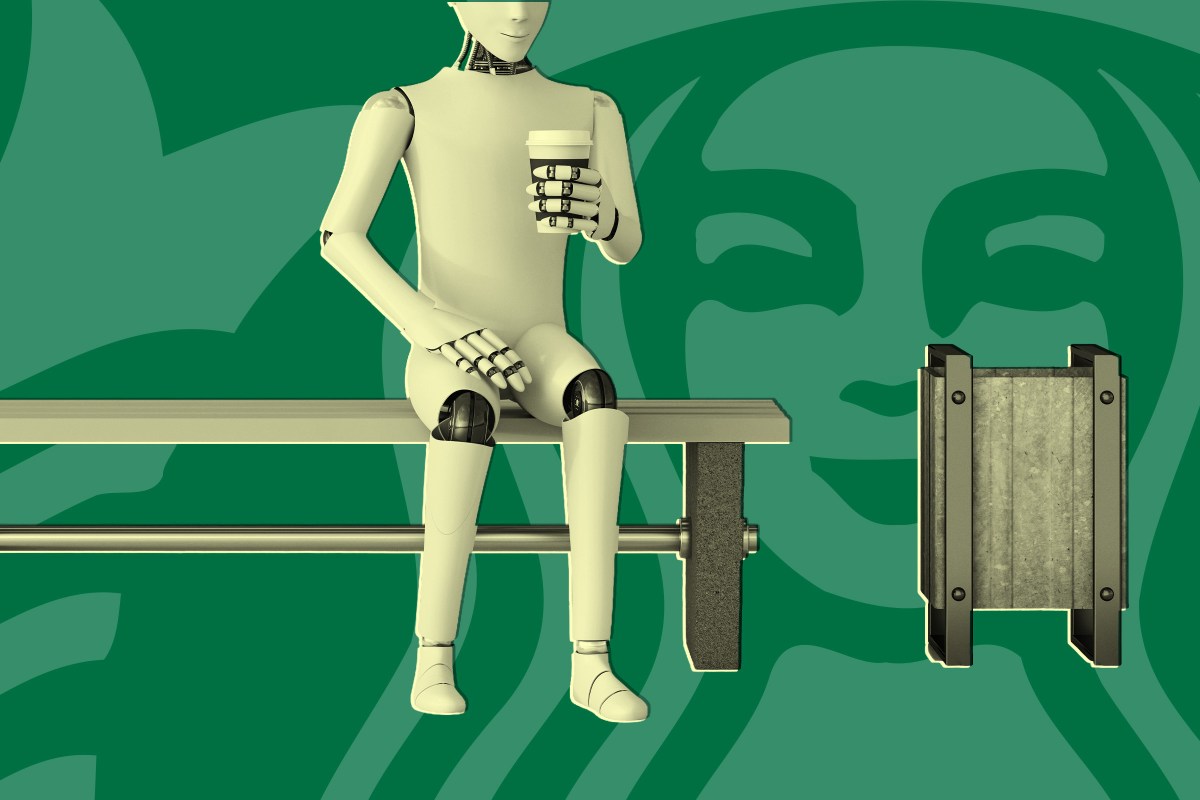
15 hours agoWhat if Your Boss Monitored Your Emotions?
AI technology like MorphCast analyzes human emotions and is increasingly used in various sectors, raising concerns about privacy and consent.
Google aims to enhance the image generation capabilities of Nano Banana 2 by utilizing personalized data from users' Google accounts, including their YouTube history and Google Photos. This integration allows for more relevant and tailored image outputs without requiring users to provide extensive context.
An engagement ring is more than a piece of jewellery, it is a symbol of commitment. Couples are moving away from mass‑produced designs, preferring rings that capture their unique journey.
Adaptive learning refers to educational systems that use data, algorithms, and Artificial Intelligence to tailor learning experiences to individual users. Unlike traditional one-size-fits-all instruction, adaptive models adjust content, pacing, assessments, and feedback based on learner performance, behavior, and preferences.
I think the breakthrough AI opportunity is still slightly ahead of us or slightly ahead of most of us, and that is the widespread introduction of AI companions that we'll have at our disposal at work and home that are trained by us, that know everything we know, and that can take action on our behalf across a range of activities.
Did you know you can teach ChatGPT how to respond to certain requests? Not only can you give ChatGPT instructions, but they'll stick (mostly) for every session. This feature is called Custom Instructions. It lives in the Personalization tab of ChatGPT's settings. In a minute, I'll show you a set of really powerful directives that can help make you super productive.
.Most e-commerce returns stem from guessing; personalized marketing builds shopper confidence.(photo credit: Courtesy of GetSelene.AI)By TAMI DEMSKY For ecommerce operators, returns have become a structural profit leak that hits in three ways: shipping and processing costs, inventory stuck in limbo, and the long-term damage to trust that lowers repeat purchase rates. The scale is significant. Retailers estimate that 15.8 percent of annual sales will be returned in 2025, totaling approximately $849.9 billion, according to the National Retail Federation and Happy Returns .
Think about the last app you opened today. Netflix probably greeted you with a show that felt uncannily right for your mood. Spotify may have lined up a playlist that matched your energy without you lifting a finger. Duolingo likely nudged you to practice just enough to keep the habit alive, without making learning feel overwhelming. Now compare that to the experience most employees have when they log into a corporate learning platform. The contrast is hard to ignore.
To use the new chatbot, users search for a grocery store in the Uber Eats app and tap the purple Cart Assistant icon on the store's page to begin shopping. Customers can enter a list or upload an image of one, and Cart Assistant will automatically add the necessary items to their basket. This includes photos of handwritten lists or screenshots of recipes and their ingredients. Users can then customize the basket by swapping items for preferred brands or adding more products from the store.
Dear Algo was inspired by users making posts with the phrase to try to influence what they see before Meta made an official version. The feature has already been available in testing in Australia, Canada, New Zealand, and the United Kingdom, and now that test is launching in the US. "We'll continue iterating based on community feedback before rolling it out more broadly," Meta spokesperson Alec Booker tells The Verge.
After a week vibe coding apps using Nothing's Essential Apps Builder, I'm conflicted. I buy into the smartphone maker's vision for software that adapts to you, not the other way around, but right now it doesn't deliver. It's hard to see how this goes from cool novelty to a reliable tool without serious refinement, and a level of consumer patience it may struggle to find.
While those questions matter, the secret sauce is understanding the context behind a person's interaction with your brand at a given moment. A frequent traveler might visit an airline's website one day to research a family vacation. The next time they see, they might be booking a flight for work. Their attitudinal profile hasn't changed, but what their context - and therefore what they want from you - has.
Cookies (including similar technologies such as web storage) allow the operators of websites and apps to store and read information from your device. Learn more in our cookie policy. cookies to: provide our sites and apps to you authenticate users, apply security measures, and prevent spam and abuse, and Measurement We count the number of visitors to our pages, the type of device they use (iOS or Android), the browser they use and the duration of their visit to our websites and apps.