#retail-strategy
#retail-strategy
[ follow ]
#walmart #target #customer-experience #starbucks #e-commerce #consumer-trends #influencer-marketing #glossier
#starbucks


fromBusiness Insider
3 months agoCoffee
Starbucks says it has cracked its comeback. The COO, charged with executing the strategy, explains what's coming next.
Starbucks regained US transaction growth and launches a multi-year revitalization emphasizing store remodels, cultural renewal, and clearer financial targets to rebuild margins.
#walmart

E-Commerce
fromBusiness Insider
4 months agoWalmart is one of the last major retailers that still doesn't accept Apple Pay. It probably won't anytime soon, either.
Walmart rejects NFC tap-to-pay like Apple/Google Pay, instead using Walmart Pay and Scan & Go contactless options, prioritizing control and cost savings.


fromIndependent
1 week agoHow Dubliner Eoin Tonge aims to supercharge Primark growth as split looms - with Coleen Rooney part of the drive
Eoin Tonge has revealed how Primark, which trades as Penneys in Ireland, is making female shoppers the linchpin for a revamped offering designed to re-energise the iconic chain across its international markets.
Toronto startup

Bootstrapping
fromTechCrunch
1 month agoPopSockets founder David Barnett talks about building a viral business | TechCrunch
PopSocket founder David Barnett built a viral phone accessory company from his garage without venture capital, learning that people management is the most critical leadership skill.
Fashion & style
fromwww.theguardian.com
1 month agoResurgent Victoria Beckham channels trouser suits and party dresses at Paris show
Victoria Beckham's fashion brand has recovered from near-closure, achieving profitability through beauty expansion and strong sales growth of 19% to over $170 million in 2025.
fromFortune
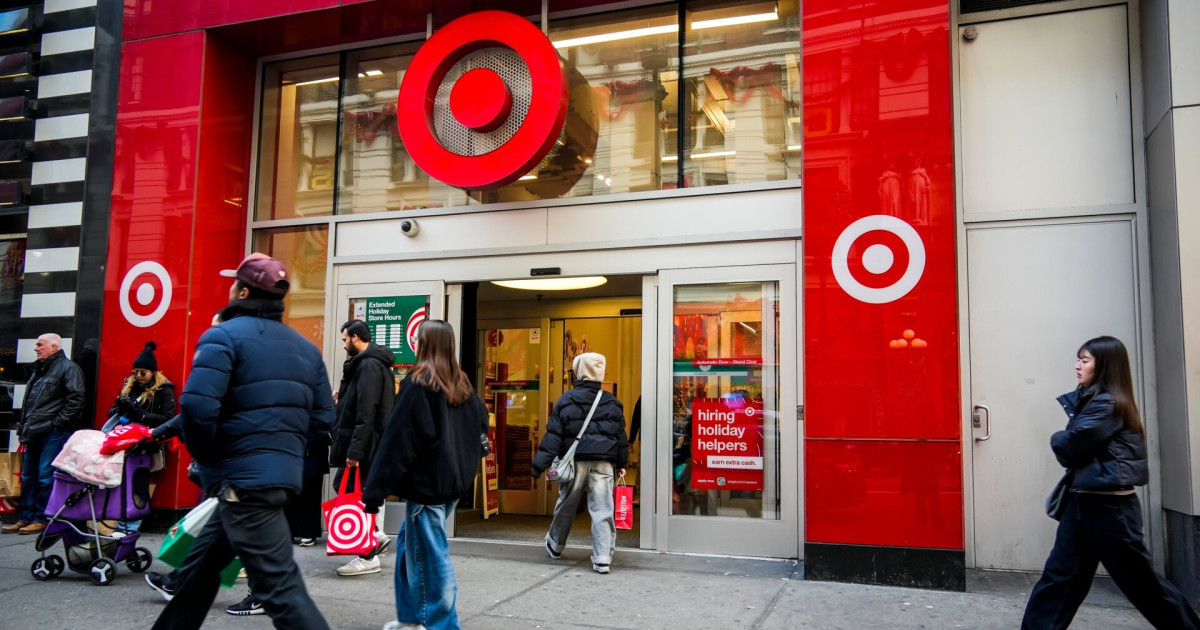
1 month agoTarget's new CEO lays out a $5 billion plan to revive 'Tarzhay' | Fortune
We used to be strong and a pacesetter. We haven't been for the last few years. His assessment was clear: Target has lost its way and, to some extent, its identity. The retailer affectionately nicknamed 'Tarzhay' for its cheap-chic merchandise had earlier on Tuesday reported a fourth quarter in a row of declining comparable sales.
Miscellaneous
fromFortune
1 month agoTarget is over being 'an everything store,' CEO says. It's doubling down on baby items and groceries-and investing $1 billion in its supply chain | Fortune
Target plans to refocus on the needs of "busy families," new CEO Michael Fiddelke told investors yesterday as the retail chain tries to win back customers. The issue: Target has been struggling to turn itself around ever since a pandemic-era revenue boom subsided into stagnancy. Some customers told CNBC that they feel store inventory is lacking and that they aren't fans of Target's DEI rollbacks.
E-Commerce
fromwww.mercurynews.com
1 month agoTarget unveils new plan to win shoppers back. Will it work?
Target is not an everything store, said Fiddelke, who took over as Target's chief executive last month. He said Target would focus on winning busy families as its primary customer base. Target will also increase capital spending by 25% to $5 billion this year to bolster operations, technology and other areas of the business.
Toronto startup
E-Commerce
fromBusiness Insider
2 months agoI've shopped at Dollar Tree for 20 years. Here are 12 products I swear by getting at the budget chain.
Dollar Tree offers reliable value on essentials like period products, cleaning supplies, batteries, and spices despite price increases from $1 to $1.50 per item.
fromwww.bbc.com
2 months agoJohn Lewis pulls out of housebuilding business
Our rental property ambition was based on a very different financial environment: one with more stable investment returns, lower borrowing costs, and more affordable costs to build homes. A fundamental shift in the economic conditions that underpinned the venture when it launched has made this business model unviable for John Lewis moving forward.
Real estate
Food & drink
fromFast Company
2 months agoWhy are Europeans eating more plant-based meat than Americans? It's not why you think
Major European and UK supermarkets are deliberately shifting shoppers toward plant-based proteins, driving strong private-label sales and reducing food-related carbon footprints.


fromBusiness Insider
2 months agoThe founder of a boba chain said he opened stores next to Starbucks to get a fraction of its customers
"So my strategy was, I'm going to put a Gong Cha - the first five stores - next to Starbucks," Berry told CNBC. "And if I can get one in a hundred people who are going into Starbucks to come and try a Gong Cha, then I've got a business."
Startup companies


fromFast Company
3 months agoAmazon is closing its grocery stores. Here's what it's building instead
Amazon Fresh stores served as a physical counterpart to Amazon's online grocery delivery service by the same name while Amazon Go stores offered convenience store staples with a high-tech checkout twist. "After a careful evaluation of the business and how we can best serve customers, we've made the difficult decision to close our Amazon Go and Amazon Fresh physical stores, converting various locations into Whole Foods Market stores," Amazon wrote in a blog update, adding that it "gathered valuable insights" during their operation.
Business

fromForbes
3 months agoHow To Take Advantage Of Technology In CPG Marketing
Statistics from the 2025 holiday shopping season clearly show that AI is playing a huge role in how people shop. But new research from retail payment platform Adyen found that many consumers are ready for AI to become their personal shopper. Just over half-51%-said they're open to letting AI take over the entire shopping process, including making final purchases. Millennials are the most willing to let agents do their shopping, with nearly three in five saying they are ready for such a shift.
E-Commerce
frominsideevs.com
3 months agoTesla's Success In Japan Offers A Clear Lesson For Struggling EV Makers
Yet the automaker nearly doubled its sales in Japan and the way it pulled that off offers a useful lesson for automakers struggling to sell EVs. Japan is still a very small EV market compared to the U.S., China, or even Europe. Of the roughly 3.8 million vehicles sold in Japan last year, only about 60,677 were battery powered, according to multiple local news reports. Even so, Tesla delivered a record 10,600 vehicles in the country, nearly doubling its 2024 sales.
Cars

Marketing
fromInc
4 months agoTarget's Surprising New Strategy to Win Customers Back Looks Nothing Like Its Usual Shopping Experience
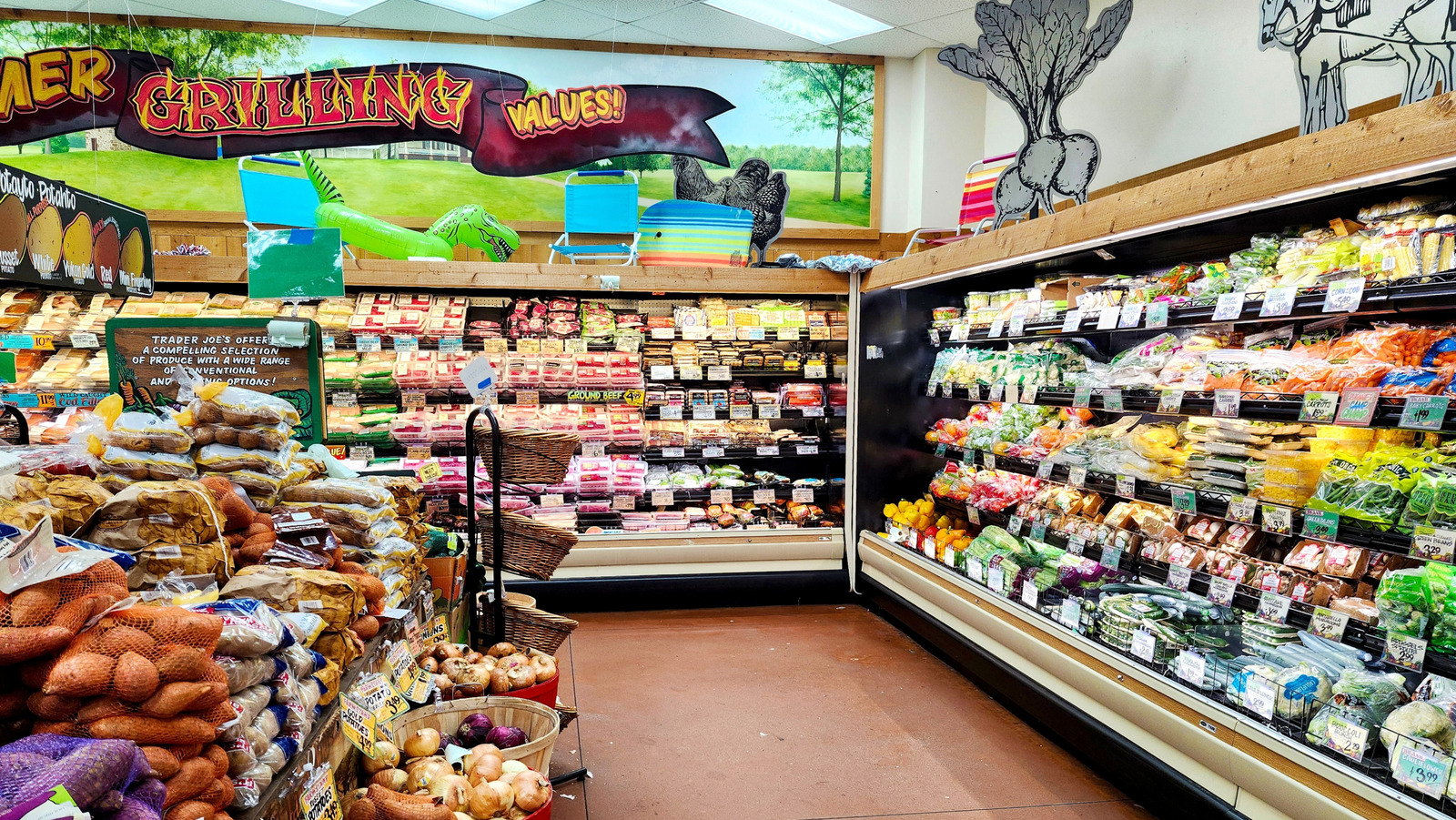
Target opened a hyper-curated experiential concept store in SoHo to revive sales and cultural relevance through curated collections, in-store experiences, and monthly updates.
E-Commerce
fromLondon Business News | Londonlovesbusiness.com
5 months agoChristmas magic doesn't sell: Brits plan every pound in 22.94 billion market - London Business News | Londonlovesbusiness.com
British holiday shoppers behave like investors, delaying purchases, hunting deals, and prioritizing practical, high-value gifts while retailers shift sales timing and personalize offers.


E-Commerce
fromBusiness Insider
5 months agoI visited a Toys R Us to see its bankruptcy comeback. Its strategy to claw back the toy market left me confused.
Toys R Us has been revived under new management, reopening flagship, seasonal, and Macy's shop-in-shop locations while leveraging its intellectual property.
fromTime Out New York
5 months agoThe Saks Off 5th store on the Upper East Side is officially closing on December 31
The company recently announced that the closure-part of a larger plan affecting nine other U.S. stores-is an effort to "place greater attention on our high-performing and high-potential store locations." The additional closures, set to begin in January 2026, include locations in Austin, Texas; Chicago, Illinois; East Hanover, New Jersey; Niagara Falls, New York; Pittsburgh, Pennsylvania; Philadelphia, Pennsylvania; Plymouth, Michigan; Washington, D.C.; and West Hartford, Connecticut.
Fashion & style
fromThe Local France
5 months agoIKEA to open more stores in towns around France
IKEA is well known for its monster-sized warehouses in major cities, but bosses have a plan to open new format stores in smaller towns in 2026, as it seeks to expand its footprint in France. The Swedish furniture brand is planning to open a new generation of smaller stores in medium-sized towns and cities across France, "where [they are not] yet present (...) in existing spaces and buildings that [they could] rent rather than build."
France news
Fashion & style
fromwww.theguardian.com
5 months agoA lifeline': how fashion designers came to love the high street collab
High-street retailers increasingly use designer collaborations to refresh ranges, attract customers, and provide commercial outlets for independent designers while managing operational setbacks.
fromwww.theguardian.com
5 months agoJohn Lewis to open VIP lounge at Oxford Street store with free drinks and massages
In the new area, which the company said will be trialled until Christmas, customers will be served with a complimentary glass of sparkling wine or hot drink as well as hand and arm massages and Waitrose chocolates. Rosie Hanley, brand director at John Lewis, said: This trial is a perfect example of our wider strategy investing in our stores to offer unique, service-led experiences that our customers can't get anywhere else. [This is] about rewarding loyalty with a premium experience.
UK news
fromFox Business
6 months agoTarget cuts 1,000 jobs, eliminates hundreds of open roles
Target is cutting about 1,000 corporate positions and eliminating 800 open roles as part of an effort to speed up business decision-making and drive growth under its new chief executive, Michael Fiddelke. Fiddelke, who will succeed Brian Cornell as CEO in February, has been focused on ways to speed up the way corporate teams work, turning the company into a leaner and faster organization to drive innovation. This includes eliminating layers of management.
Business
fromFortune
6 months agoBest Buy's CEO says growing spending power gap between affluent and poor 'keeps me up at night' | Fortune
"We're seeing some dispersion between the high income earners and the low income earners," Corie Barry told the Fortune Most Powerful Women summit on Tuesday in Washington, D.C. "If I just level up, that is probably what keeps me up at night."
Business
E-Commerce
fromForbes
6 months agoThree Ways For CMOs To Take Advantage Of Amazon Prime Big Deal Days
Brands approach Amazon Prime Big Deal Days in three ways: enthusiastic participation with steep discounts, strategic optimization to test pricing and production, or avoiding Amazon for controlled channels.
[ Load more ]