#circadian-neuroscience
#circadian-neuroscience
[ follow ]
#sleep #sleep-hygiene #circadian-rhythm #sleep-quality #mental-health #daylight-saving-time #sleep-deprivation
#morning-routine


Digital life
fromSilicon Canals
2 days agoPeople who check their phone within five minutes of waking up are training their brain to start every day in reaction mode - and it's costing them more than they realize - Silicon Canals
Starting the day with phone use can negatively impact mental state and set a stressful tone for the day.
#sleep


fromSilicon Canals
2 weeks agoMindfulness
Research suggests people who shower at night instead of in the morning aren't just washing off the day - they're running a neurological closing ritual that signals the nervous system the threat window has ended, and the water isn't cleaning the body, it's decommissioning a surveillance state that's been active since they opened their eyes - Silicon Canals
Mindfulness
fromSilicon Canals
1 month agoPeople who can fall asleep within minutes of lying down usually share these 9 strengths - Silicon Canals
People who fall asleep quickly tend to let go of intrusive thoughts, use consistent routines, and demonstrate better stress management, focus, and emotional resilience.
Mindfulness
fromSilicon Canals
2 weeks agoResearch suggests people who shower at night instead of in the morning aren't just washing off the day - they're running a neurological closing ritual that signals the nervous system the threat window has ended, and the water isn't cleaning the body, it's decommissioning a surveillance state that's been active since they opened their eyes - Silicon Canals
Night showers help signal the body to relax and switch off, contrasting with the alertness of morning routines.




#daylight-saving-time


Health
fromwww.pressdemocrat.com
1 month agoBay Area sleep expert gives tips to prepare for Daylight Saving Time
Daylight Saving Time exacerbates chronic sleep deprivation affecting 85 million Americans, increasing motor vehicle accidents by 6% and worsening health outcomes including heart disease, stroke, and depression.
fromInverse
2 weeks agoWhat Scientists Are Learning About Sleep and Memory Formation
Sleep plays a central role in memory consolidation - the process by which newly acquired information is stabilized and integrated into long-term memory stores. Research from institutions including Harvard Medical School and the Max Planck Institute for Human Cognitive and Brain Sciences has shown that different stages of sleep contribute to different types of memory. Slow-wave sleep, or deep sleep, appears to be particularly important for declarative memory - the kind that stores facts and events.



fromwww.scientificamerican.com
3 weeks agoMusic even makes you blink to the beat
Our eyes—which we usually think of as purely visual organs—spontaneously dance to the rhythm of what we hear, says study co-author Du Yi, a cognitive neuroscientist at the Chinese Academy of Sciences in Beijing. Using a high-speed eye-tracking system, Du and her team were stunned to discover nonmusicians instinctively blinking in sync with the beat structure of Bach chorales.
Berlin music





Mental health
fromScary Mommy
3 weeks agoHere's Why Your Brain Hits "GO" On Every Anxious Thought Right When You Want To Sleep
Nighttime anxiety spikes are normal and caused by factors like blood sugar dysregulation, reduced distractions, and the brain's protective mechanisms becoming hyperactive in darkness and quiet.
fromSilicon Canals
1 month agoWhat neuroscience reveals about people who lie awake replaying conversations from six hours ago - Silicon Canals
Rumination activates the default mode network (DMN) - the brain's self-referential processing system. This is the neural circuitry that fires when you're thinking about yourself in relation to others: your identity, your social standing, your mistakes. It's the brain asking, over and over, What does this say about me?
Psychology
Mental health
fromSilicon Canals
1 month agoNeuroscience reveals that people who overthink at night often have brains that refuse to file away unresolved emotional experiences during the day - Silicon Canals
Unprocessed emotional experiences from daytime accumulate and resurface at night when the brain attempts consolidation, particularly in people with insufficient cognitive bandwidth during waking hours.
fromThe Wire Magazine - Adventures In Modern Music
2 months agoProcess of Time - The Wire
Here, in the omphalos of the newly-minted Commie Corridor was a display of cultural force every bit as robust as the political one which had recently vaulted socialist Zohran Mamdani to the Democratic nomination (and, in short order, the mayoralty). So why, then, as the Rochdale duo took the stage in their preferred semi-darkness, was the atmosphere cut with an unmistakable current of dread?
Music
fromBusiness Insider
1 month agoI used to be proud of only sleeping 3 hours because I worked so much. Now I realize health is freedom, not wealth.
I used to brag about how little sleep I got. It felt like a superpower: I could sleep just three or four hours a night, and still operate at a very high level. That helped me get ahead early on. As a teen, I bused tables and sold firewood. By the time I was 19, I bought a house (which was possible because it was the subprime mortgage days). Having a mortgage gave me real responsibility at a young age.
Real estate
fromwww.npr.org
2 months ago4 ways to beat the anxiety of insomnia and get back to sleep
"I started getting into the frame of mind most people get sucked into. I worried, 'What's going on? Is there something wrong with me?'" he says. That fear of not being able to sleep is a phenomenon called "sleep anxiety," says Orma, who went on to become a specialist in insomnia treatment. Left untreated, that anxiety can prevent people from actually falling asleep. "The more you focus on it, the less chance you'll sleep, which then makes you more anxious. That's the cycle that spins," he says.
US news
Public health
fromwww.theguardian.com
2 months agoSleep, stress and sunshine: endocrinologists on 11 ways to look after your metabolism
Hormone levels, particularly insulin, determine metabolic rate and energy use; high insulin promotes fat storage, slows metabolism, and fuels weight gain and metabolic disease.



fromPsychology Today
1 month agoWhen Sleep Banking May Be A Viable Strategy
Sleep banking is essentially extending your normal sleep hours in the nights leading up to a known period of sleep deprivation. On the face of it, it appears unlikely banking sleep could counter the decreased alertness and other cognitive decrements that we experience when deprived of sleep, or stop that strong sensation we get when our body wants sleep.
Health
Public health
fromwww.scientificamerican.com
2 months agoLike staying up late? You may be putting yourself at risk of heart problems
Habitual evening chronotypes have about a 16% higher risk of heart attack or stroke and exhibit more cardiovascular-risk behaviors like smoking, poor diet, and irregular sleep.

fromBusiness Insider
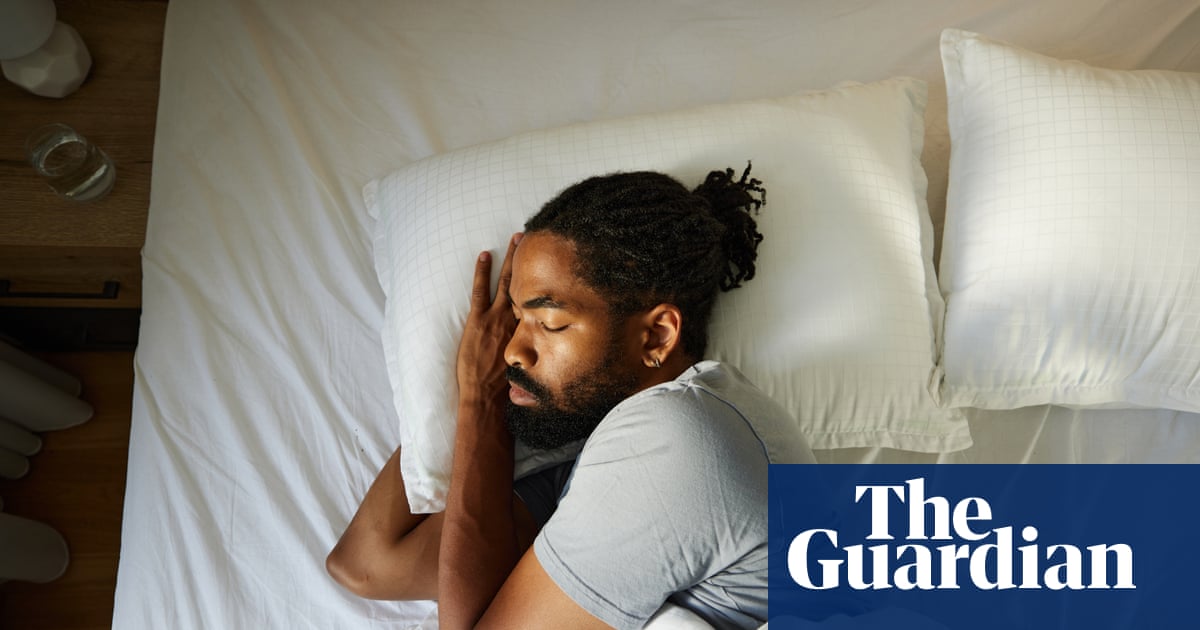
1 month agoMany people sleep worse in winter. Here's what experts want you to know.
It's normal to feel sluggish during the winter. Cold temperatures and fewer hours of sunlight can mean less time outdoors and more time staring at our screens. For some people, these cold-weather habits may contribute to a sleep disruption, known as winter insomnia. This isn't a clinical condition, but it might begin or worsen during the winter months.
Mental health
Mental health
fromSilicon Canals
1 month ago9 things people do at night that quietly guarantee tomorrow will feel harder - Silicon Canals
Evening habits like late-night social media and intense conversations disrupt sleep-winddown and worsen next-day energy and mental clarity; changing them improves morning wellbeing.
[ Load more ]