#la-grande-boucherie
#la-grande-boucherie
[ follow ]
#cooking #french-cuisine #paris #recipes #fine-dining #cooking-tips #michelin-star #paris-dining #cooking-techniques
fromEater Chicago
1 day agoSlice Into Buttery Steaks at a Moody Jazz Age-Influenced River North Favorite
The petite filet mignon, cooked medium-well, was as tender as it was well-seasoned, melting in my mouth with each bite. Sprinkled with Bavette's steak salt, this steak was the headliner of the meal.
Chicago

fromTasting Table
3 weeks agoHow To Make Delicious Steak Frites On A Budget - Tasting Table
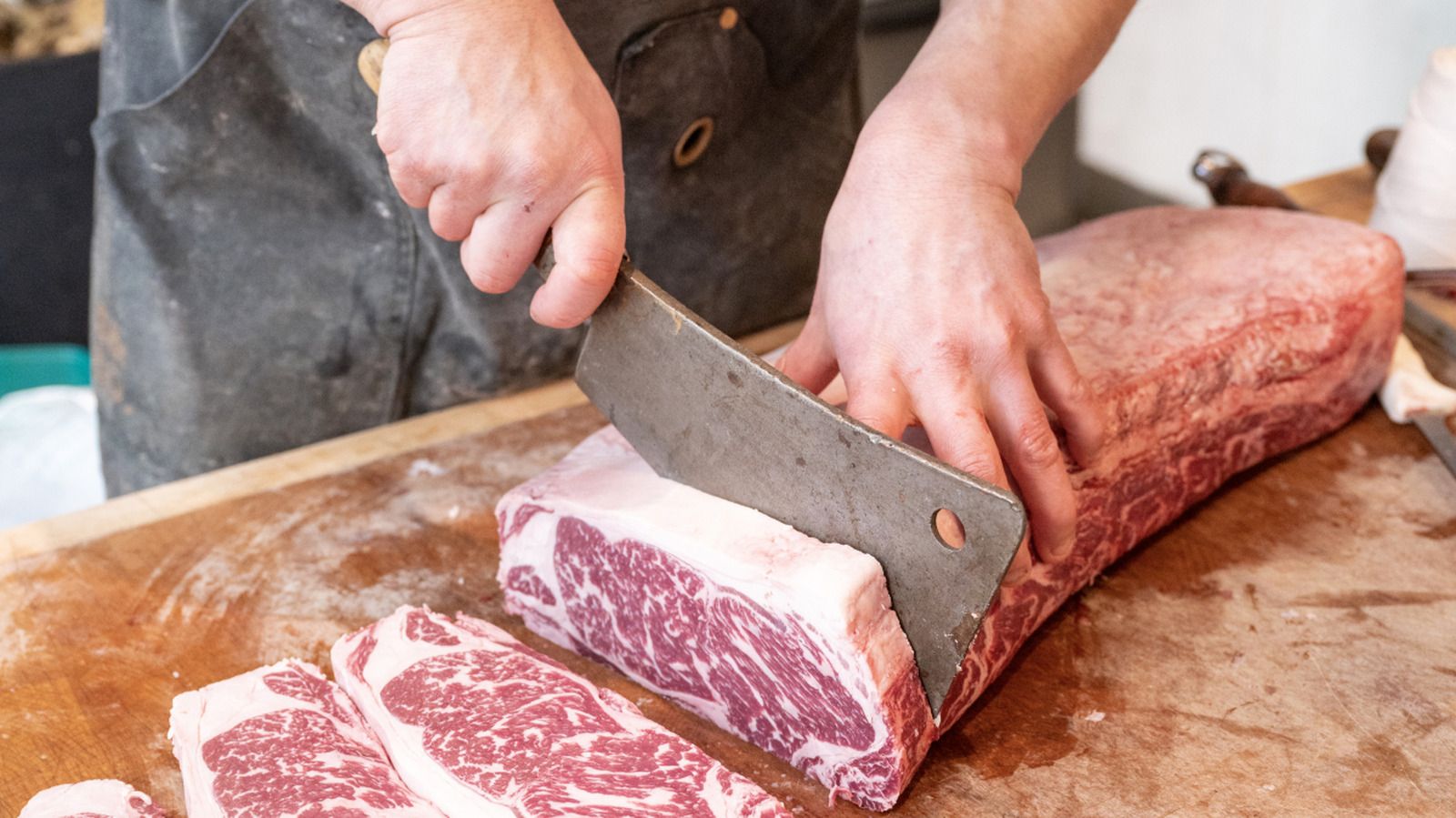
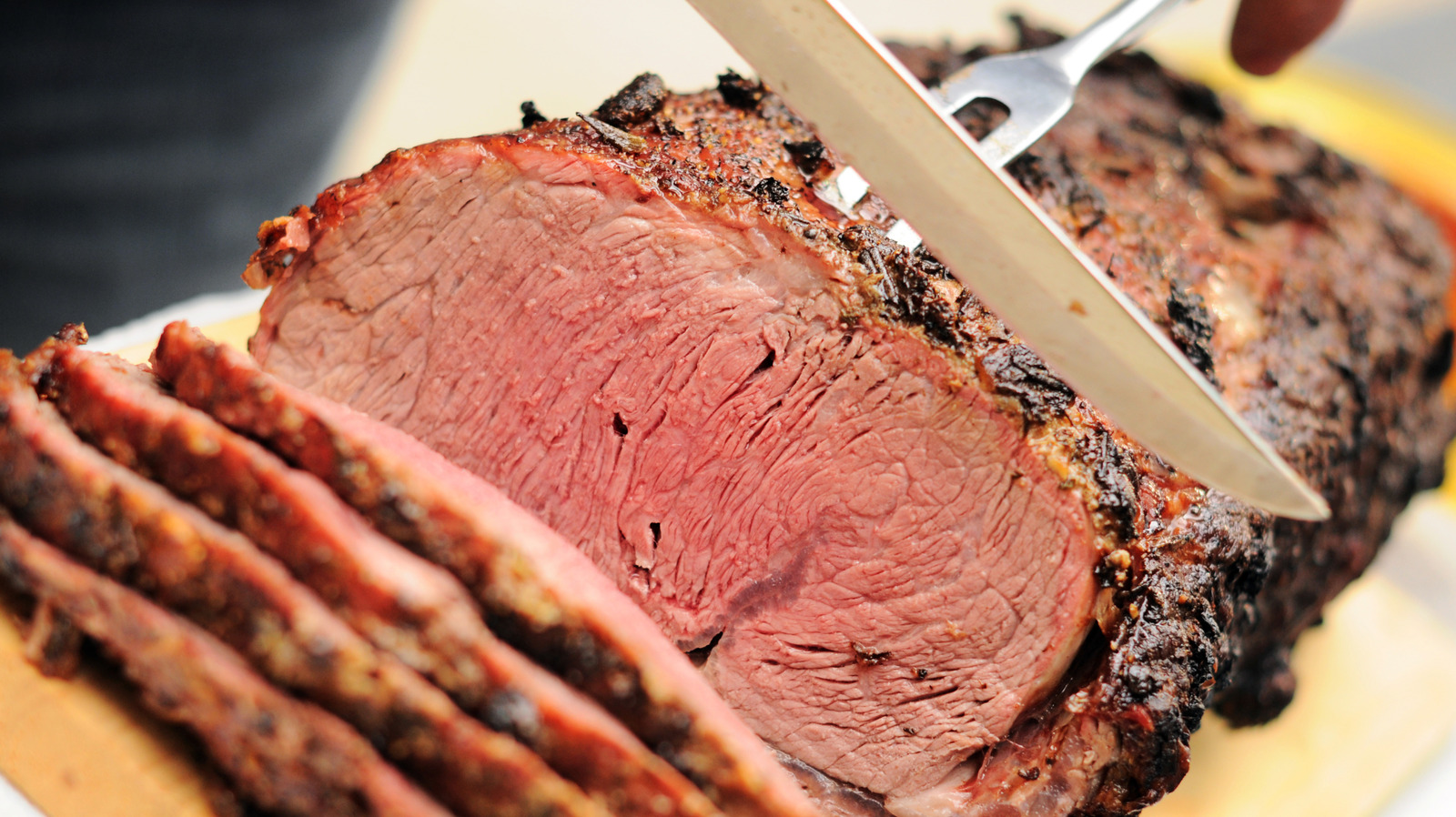
A great and very traditional bistro cut is the bavette steak, also known as flank steak here in the U.S. You'll see it all over Paris, and in more and more American restaurants. Sometimes called a flap steak, the bavette steak is cut from the bottom sirloin. This makes it relatively lean, but it has a looser, more tender texture, and it is considered very flavorful.
Berlin food
fromwww.theguardian.com
1 month agoMelts into an oozy blob': the best supermarket brie, tasted and rated
Gently warmed milk is separated into curds with rennet, then inoculated with Penicillium candidum (sometimes called P camemberti), which gives it that characteristic flavour and white mould rind. It's then transferred to moulds, salted and ripened for a month or longer.
Food & drink
fromPARIS BY MOUTH | WE'RE DELICIOUS
3 weeks agoBest Restaurants Near the Louvre | PARIS BY MOUTH
The streets around the Louvre have improved considerably as a dining destination. It's still true that the neighborhood rewards those who know where to look - the blocks immediately adjacent to the museum are thick with tourist traps - but a short walk in almost any direction opens up genuinely good options.
Paris food
Paris food
fromPARIS BY MOUTH | WE'RE DELICIOUS
3 weeks agoParis Restaurants Open on Monday | PARIS BY MOUTH
Monday dining in Paris is increasingly viable with several top-tier restaurants now open, including Café des Ministères, Septime, and Le Saint-Sébastien, though reservations remain highly competitive.
fromFrenchly
2 months agoParis Is Obsessed With Specialty Shops Again-Here Are 8 Worth Visiting - Frenchly
Paris didn't invent shopping (even if it sometimes feels that way), but it arguably invented the specialty shop as we understand it today. Long before concept stores, lifestyle retail, or anything resembling "curation" entered the vocabulary, Paris was already organized around doing one thing extremely well -and it still is. From cheesemongers to winemakers and beyond, specialization remains the point.
Miscellaneous
fromTasting Table
3 weeks agoThe Most Underrated French Mother Sauce Adds Incredible Flavor To Your Dishes - Tasting Table
Of the five mother sauces, velouté is extremely under-appreciated and not talked about enough. It's what we as Americans call gravy, which we know has so many various uses. Velouté, which means velvety in French, is made with a light roux (or a mixture of flour and fat, like butter), stock or broth, and some seasoning like salt and pepper, and a bay leaf.
Cooking
fromPARIS BY MOUTH | WE'RE DELICIOUS
1 year agoLE PETIT CELESTIN | PARIS BY MOUTH
A consistently packed bistro along the Seine in the Marais, Le Petit Célestin delivers reliable French classics in a lively atmosphere that values conviviality over culinary ambition. The menu spans traditional bistro territory - tête de veau, veal kidneys, steak frites - with occasional Italian influences like burrata and linguini with bottarga. The cooking is competent rather than inspired. Razor clams arrive properly garlicky, steak shows good char against rare interior, but some dishes lean too sweet.
Food & drink
fromparisbymouth.com
1 month agoMasaikuta
Chef Masa Ikuta brings serious classical training honed under Bruno Verjus at Table and Stephane Jego at L'Ami Jean to his own tasting menu restaurant in the 11th arrondissement. The cooking is confidently French-Japanese, moving from sardine churros with Cantabrian anchovy cream to veal brain tempura styled after shirako to a perfectly grilled lamb rack with smoky harissa.
Paris food
fromparisbymouth.com
3 months agoCanard Sauvage
The cooking is unpretentious and generous—big flavors, careful balance, no tweezers—at prices that feel increasingly rare in Paris. Standout dishes include a pheasant tourte with Morteau sausage and girolles, roasted beets with smoked eel and horseradish cream, and wild duck with a Porto jus and roasted parsnips.
Paris food

fromCN Traveller
2 months agoThe precision theatre of Parisian dining has entered an era of warm nostalgia
Past a sign for a family waterpark, a door opens onto an homage to fin-de-siècle Paris. Chandeliers are reflected in gilt-edged mirrors; there is a chorus line of lobsters and yards of fromage. Every so often, a waiter in a dinner suit flambées a crepe Suzette with a shock of flames, like a big top fire-eater. This is fine dining as buffet.
Food & drink
Paris food
fromPARIS BY MOUTH | WE'RE DELICIOUS
12 years agoBehind the Scenes at Paris' Best Baguette Competition | PARIS BY MOUTH
A bread enthusiast served as a jury member for Paris' 2013 Best Baguette competition, evaluating 152 baguettes based on appearance, cooking, texture, smell, and taste according to strict traditional French standards.
fromPARIS BY MOUTH | WE'RE DELICIOUS
2 years agoBoubale | PARIS BY MOUTH
Israeli chef Assaf Granit shifts focus from Mediterranean cooking to Eastern European Jewish cuisine at Boubalé, located in the Grand Mazarin hotel steps from BHV. The menu draws on Ashkenazi traditions - borscht, chicken liver, pastrami, and potato-forward preparations inspired by Granit's Polish grandmother. The vast dining room manages warmth through maximalist touches: doilies, colorful glassware, and grandmother-approved murals. Standout dishes include salmon floating in borscht with pickled turnips, Israeli couscous risotto with spinach, and an exceptional chocolate mousse drizzled with olive oil.
Paris food
fromianVisits
2 months agoLondon's Butchers Hall confirms dates for next Carvery Lunches
If you fancy lunch in one of the City of London's ancient livery halls, it's possible. Livery Halls are usually only open to members or hired out for events, but the Livery Hall of the Worshipful Company of Butchers, near the Barbican, holds monthly(ish) public lunches. Guests are welcomed with a drink reception from 12:15pm on the Ground Floor, before ascending to the Great Hall, where lunch is served at 1pm.
Food & drink
fromTasting Table
2 months agoWhat Whole Foods Uses To Make Its In-House Sausages - Tasting Table
Documents show that the Sumerians started preserving less desirable parts of the animals they consumed by encasing them in intestines and salting them around 3100 B.C. Today, sausages are made and loved the world over, with many countries and ethnic groups revering their own special types of sausages. The meaty treats go beyond offal these days, and are made with prime products in gourmet flavors.
Food & drink
fromFood & Beverage Magazine
1 month agoA Culinary Tribute: Chef Jerome Bocuse Celebrates His Father's Legacy at The Bartolotta Restaurants - Food & Beverage Magazine
The Bartolotta Restaurants, a cornerstone of the Greater Milwaukee dining scene, is set to host a remarkable event that pays tribute to one of the greatest chefs in culinary history, Paul Bocuse. On February 26, 2026, Chef Jérôme Bocuse, son of the legendary chef, will join Chef Paul Bartolotta for a one-night-only culinary tribute to mark the centenary of his father's birth. Chef Paul Bocuse, who passed away in 2018, was a pioneer of the nouvelle cuisine movement, known for lightening classic French dishes
Food & drink
fromTasting Table
2 months agoThis Might Be The Most Expensive Bakery In The World - Tasting Table
Everything feels more expensive these days, especially when it comes to eating out. One place in particular where you might have noticed an increase in prices is at bakeries as owners continue to battle the rising costs of staple ingredients like butter and eggs. But no matter how much your local bakery is charging, you can at least rest assured that there are people paying a heck of a lot more out there, especially at Cedric Grolet in London.
Food & drink
Paris food
fromPARIS BY MOUTH | WE'RE DELICIOUS
2 months agoReviews for Paris By Mouth - the #1 Rated Paris Food Tour | PARIS BY MOUTH
Paris By Mouth provides expert-led, small-group, educational food and wine tours in Paris, consistently earning top TripAdvisor ratings and over 4,300 five-star reviews.
[ Load more ]