Marketing tech
fromForbes
2 hours agoThe More Things Change, The More Marketing Stays The Same
The media landscape evolves, but core challenges for marketers remain consistent over time.
Archie is a small arch-shaped piece that essentially bridges the two sticks on your controller. It's not a Bluetooth gadget loaded with firmware updates or a subscription service. It's just a clever piece of physical design that does exactly what it needs to do and nothing more.
Running a photography business can be incredible fun, offering unique experiences and opportunities to meet diverse people. However, it requires significant dedication and effort, often demanding extra hours beyond a typical workweek.
Michelladonna goes around the world to celebrate the cats who live and work in bodegas, corner stores, and repair shops on her show, Shop Cats. The bilingual series launched in 2024 on creator-led production platform Mad Realities, and quickly found an audience drawn to its feline stars and Michelladonna's energy and humor.
In-Flight measurement builds on traditional methods by allowing real-time optimization of campaigns, enabling marketers to adjust creative, targeting, and media mix while campaigns are still active.
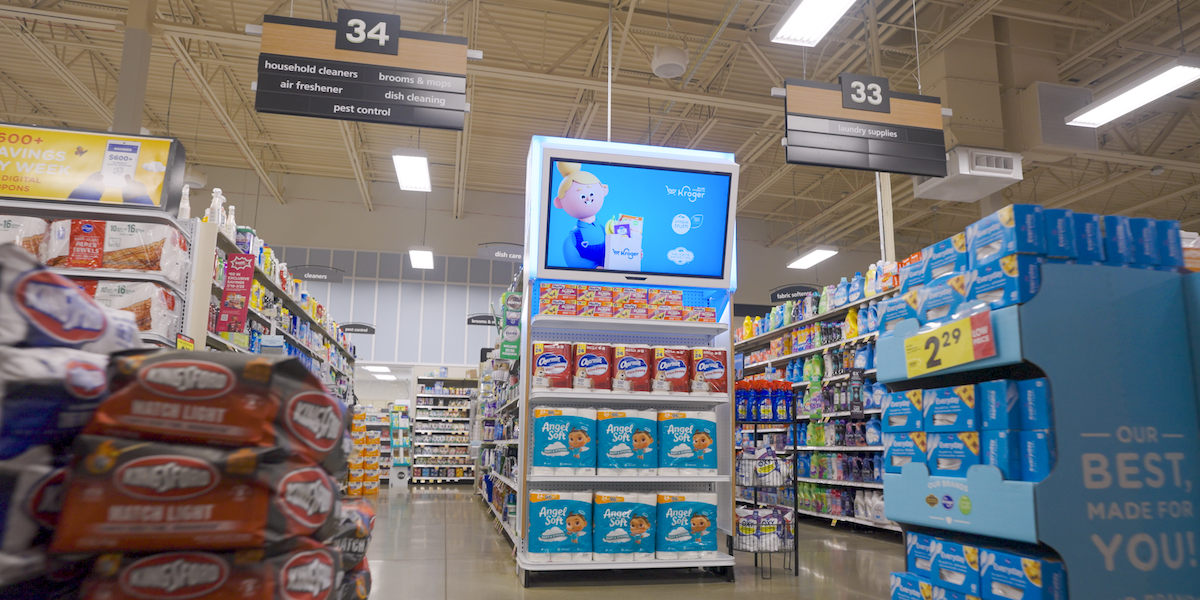
Sourced directly from a manufacturer, private-label brands remove one or more layers of intermediaries from the supply chain, usually distributors or other brands. A nearly identical private brand can earn more margin, even at a low price.
Fashion fans are more visible - and influential - than ever before. The Met Gala - often called fashion's Super Bowl - garnered more engagement across social media and press than the actual American football championship last year, according to Launchmetrics. Just like Swifties, fashion fanatics gather online in communities and comment sections on accounts like Gvishiani's to dissect collections, magazine covers and red carpets.
Retailer-owned products not being seen as a cheap alternative anymore, but instead, a way to convey luxury and exclusivity. Price-Led Positioning is No Longer Dominating UK Supermarkets. Small UK businesses are aggressively growing, with price-led positioning becoming a dated trend. It's becoming evident that brands are no longer using their own branded products as a way to be a cheap alternative.
Performance has always been the foundation of commerce media because it tied spend to measurable behavior. From sponsored search to sponsored products, the category scaled by delivering outcomes that could be directly attributed to transactions. Automation, AI-driven optimization and closed-loop measurement accelerated that model and made outcomes-based buying the norm. Outcomes still matter. But as AI reduces friction and increases competition, outcomes alone no longer create separation.
This year has been volatile for brands. With tariffs taking effect, the job market slowing, and consumer spending barely keeping pace with inflation, it's no surprise that ad spend has slowed in tandem. Amidst economic uncertainty and an onslaught of unanswered questions, brands are increasingly looking for demonstrable ROI in their marketing and design budgets. Some may choose to invest in a costly new campaign or commit to a new brand identity, while others will default to slashing their budgets altogether.
Discounting has been part of retail's toolkit for decades, and it can be effective, especially during high-stakes shopping seasons. But as promotions become more frequent across the industry, companies are taking a closer look at the downside: Short-term sales gains don't always come with long-term loyalty or durable margins, and customers remember how a brand made them feel far more than what they saved at checkout.
So the brand reinvents itself to pull in a younger segment of the market, often by borrowing ideas from cooler competitors to seem more "on-trend." But instead of younger and cooler, the rebrand comes off as insincere, stilted, or cringey. Worse, the brand's older, core customers, who liked the brand as it was, are irritated by the changes. Instead of spurring new growth, the effort drives off some of the existing customers, leaving the brand worse off than when it started.
Marketers spend billions trying to persuade consumers that a product is right for them. But our research shows that sometimes the most effective way to market something is to say that it isn't for them. In other words, effective marketing can mean discouraging the wrong customers rather than convincing everyone to buy. We call this "dissuasive framing." Instead of saying a product is perfect for everyone, a company is up front about who it might not be for.