#brand-oversaturation
#brand-oversaturation
[ follow ]
#marketing-strategy #consumer-behavior #marketing #branding #advertising #brand-strategy #customer-experience
fromThe Atlantic
1 day agoHow Some People Became So Averse to Hype
Anna Holmes defines 'hype aversion' as a reflex against being told what to like, suggesting that popularity can create pressure rather than signal quality. This feeling can lead to a deliberate choice to resist mainstream culture.
Media industry
#experiential-marketing
Marketing
fromFast Company
2 days agoWhy the future of brand trust is sensory marketing
Experiential communications leverage sensory engagement to build trust and connection, countering AI fatigue and skepticism in audiences.

#advertising

Marketing
fromMuse by Clios | Discover the latest creative marketing and advertising news. Muse by Clio is the premier news site covering creativity in advertising and beyond.
1 week agoWhy Being Good, Fast and Cheap Is the Most Radical Thing a Brand Can Do | Muse by Clios
Brands must earn attention by creating engaging content rather than relying on loud, manipulative advertising tactics.
Marketing
fromMuse by Clios | Discover the latest creative marketing and advertising news. Muse by Clio is the premier news site covering creativity in advertising and beyond.
1 week agoWhy Being Good, Fast and Cheap Is the Most Radical Thing a Brand Can Do | Muse by Clios
Brands must earn attention by creating engaging content rather than relying on loud, manipulative advertising tactics.
fromBusiness Matters
1 month ago54.7% of Retail Brands now Have Their Own Product Line
Retailer-owned products not being seen as a cheap alternative anymore, but instead, a way to convey luxury and exclusivity. Price-Led Positioning is No Longer Dominating UK Supermarkets. Small UK businesses are aggressively growing, with price-led positioning becoming a dated trend. It's becoming evident that brands are no longer using their own branded products as a way to be a cheap alternative.
E-Commerce
fromExchangewire
4 days agoAdzymic Powers Omnichannel Grimace Shake Campaign for McDonald's Singapore - ExchangeWire.com
The campaign begins with a gamified DOOH execution placed in high-footfall Gen Z locations including Dhoby Ghaut, Bugis, Singapore Management University, and the Central Business District. These locations help bring the Grimace Shake campaign into the flow of Singapore's daily urban movement.
Marketing
#brand-identity



fromEntrepreneur
1 month agoWhy Global Brands Struggle When Local Markets Push Back
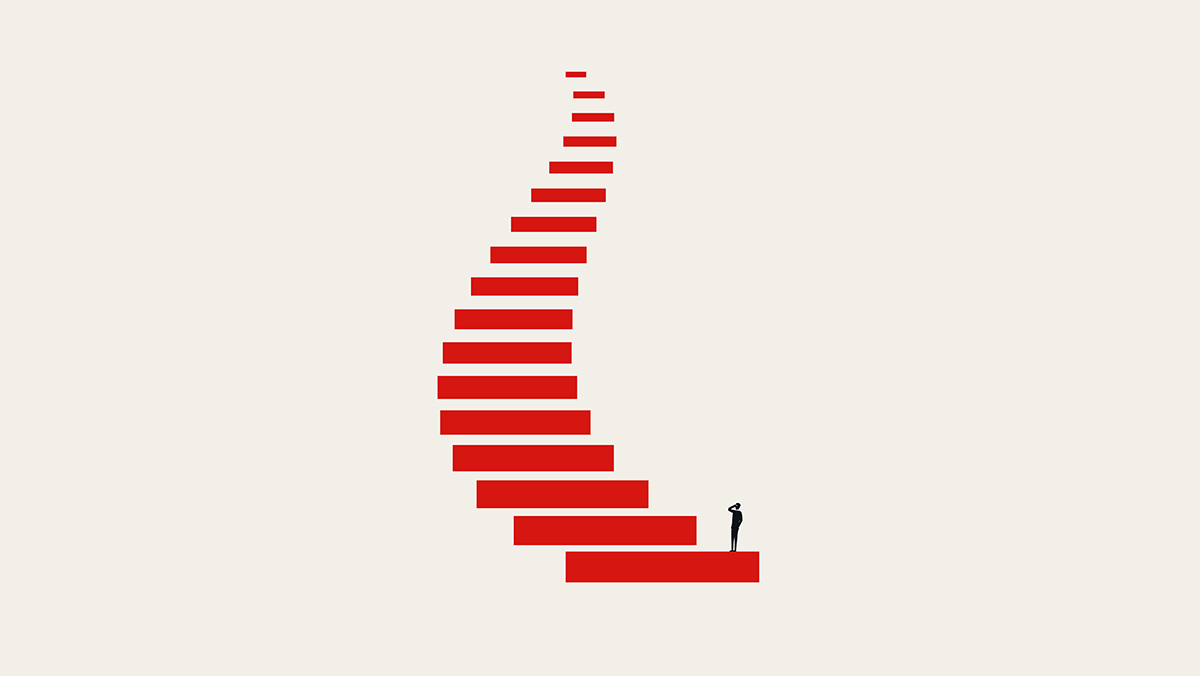
Companies enter new markets with momentum. Press coverage looks promising. Campaigns launch on schedule. Local teams are hired. Early dashboards suggest traction. Then progress slows. Customer interest plateaus. Partnerships take longer than expected. Internally, the conversation almost always turns to execution. Messaging must not be clear enough. The market probably needs more education. What I have learned is that this conclusion is usually wrong. What looks like market resistance is more often a signal that the brand is communicating from the wrong position.
Venture

fromForbes
1 month agoStop Softening Your Story: Why Specificity Is The Key To Global Brand Relevance
There is a persistent anxiety in brand storytelling that runs beneath the surface of nearly every conversation about reaching international audiences: that the closer a story is to its origin, the less likely it is to find purchase somewhere else. This assumption is responsible for many an organization filing down its content's edges in pursuit of a universal appeal that, paradoxically, renders it all the less memorable.
Marketing
fromwww.retaildive.com
1 month agoOutcomes are table stakes. How brands deliver them is the advantage.
Performance has always been the foundation of commerce media because it tied spend to measurable behavior. From sponsored search to sponsored products, the category scaled by delivering outcomes that could be directly attributed to transactions. Automation, AI-driven optimization and closed-loop measurement accelerated that model and made outcomes-based buying the norm. Outcomes still matter. But as AI reduces friction and increases competition, outcomes alone no longer create separation.
Marketing tech
Marketing
fromForbes
1 month agoMarketers, Stop Donating Free Advertising To Your Competitors
Pepsi's 2026 Super Bowl ad featuring Coca-Cola's Polar Bear exemplifies a persistent challenger marketing mistake: building campaigns around competitors' distinctive assets, which strengthens rival brand memory instead of the advertiser's own.
fromDigiday
1 month agoFuture of Marketing Briefing: AI's branding problem is why marketers keep it off the label
At this point in the Super Bowl ad post-mortem, a pattern has emerged: AI - both the companies selling it and the brands leaning on it - did not resonate as strongly as more familiar creative territory. Viewers gravitated toward the tried and tested, from nostalgia plays to celebrities in deliberately oddball scenarios, while many AI-centered spots struggled to make an emotional connection.
Marketing tech
fromFast Company
1 month ago5 ways to build a brand consumers find irresistible
This year has been volatile for brands. With tariffs taking effect, the job market slowing, and consumer spending barely keeping pace with inflation, it's no surprise that ad spend has slowed in tandem. Amidst economic uncertainty and an onslaught of unanswered questions, brands are increasingly looking for demonstrable ROI in their marketing and design budgets. Some may choose to invest in a costly new campaign or commit to a new brand identity, while others will default to slashing their budgets altogether.
Marketing
fromFast Company
2 months agoWhy you should treat your brand as an operating system
For much of the modern corporate era, brand has been treated as surface area. A story told outward. A set of signals designed to persuade, attract, and differentiate. When companies spoke about brand, they were usually talking about perception: how they looked in the market, how they sounded, how they were received. That framing made sense in a world where markets moved a little more slowly, organizations were stable, and leadership could afford to separate strategy from culture, product from meaning, execution from belief.
Marketing
fromThe Drum
2 months agoBrand strategy 101: 4 benefits of good brand architecture
A big marker of brand success is recognition. When customers can pick out any of your products or services and easily identify them as part of your brand, you know you've made a lasting impression. A great example is Google, whose products and services are distinguishable from a mile off, from Gmail and Google Ads to Google Maps and Google Pay.
Marketing
fromFast Company
1 month agoWhy do so many legacy brands implode when trying to attract new customers?
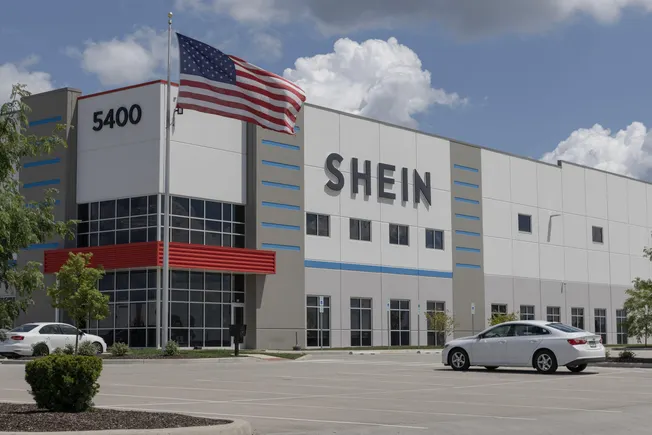
So the brand reinvents itself to pull in a younger segment of the market, often by borrowing ideas from cooler competitors to seem more "on-trend." But instead of younger and cooler, the rebrand comes off as insincere, stilted, or cringey. Worse, the brand's older, core customers, who liked the brand as it was, are irritated by the changes. Instead of spurring new growth, the effort drives off some of the existing customers, leaving the brand worse off than when it started.
Marketing
fromFast Company
2 months agoHow discounting hurts long-term loyalty and profits
Discounting has been part of retail's toolkit for decades, and it can be effective, especially during high-stakes shopping seasons. But as promotions become more frequent across the industry, companies are taking a closer look at the downside: Short-term sales gains don't always come with long-term loyalty or durable margins, and customers remember how a brand made them feel far more than what they saved at checkout.
Marketing
Marketing
fromLondon Business News | Londonlovesbusiness.com
2 months agoMerchandise as a media channel how brands use products to influence buyer behaviour - London Business News | Londonlovesbusiness.com
Strategically used B2B merchandise functions as an owned media channel, sustaining brand visibility, credibility, and influence throughout long, multi-stakeholder purchasing cycles.
fromInc
2 months agoWhy Brand and Performance Marketing Work Better Together
Brand builds long-term awareness, perception, and emotional connection. Performance marketing focuses on immediate, measurable actions and specific behaviors like clicks, sign-ups, purchases, or downloads which drives conversions and business goals. The most successful companies know that true growth happens when these two objectives work in harmony, not in opposition. The evidence is now clear: Brand and performance are not opposing forces; they are multipliers.
Marketing
fromThe Drum
1 month agoThe 'How Brands Grow' crowd need to have a word with retail media
Retail media networks shouldn't sell 'awareness' or 'impressions' or 'conversion,' Gray wrote on the social media platform in October. 'They should sell reach, context, salience and physical availability because these are the things that deliver brand growth.'
Marketing


[ Load more ]